Mani Rimdu is one of the most significant Buddhist festivals celebrated by the Sherpa community in Nepal. The name derives from two elements: Mani, referring to mantras or sacred syllables (Om Mani Padme Hum), and Rimdu, referring to the small red pills blessed during the ceremony.
The festival is deeply rooted in Tibetan Buddhist tradition, specifically the Nyingma school. It celebrates the founding of Buddhism by Guru Rinpoche (Padmasambhava) and symbolises the triumph of Buddhism over the Bon religion, the pre-Buddhist faith of Tibet.
Mani Rimdu follows the Tibetan lunar calendar. It is traditionally celebrated in the autumn season, usually falling in October or November.
The festival lasts a total of 19 days. However, the first 16 days consist of private monastic ceremonies held within the monastery walls. Only the final three days are open to the public.
The festival is celebrated at three primary monasteries in the Everest (Khumbu) region:
Tengboche Monastery
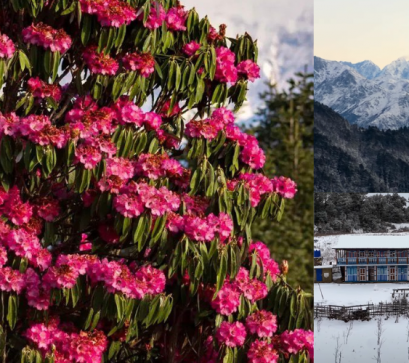
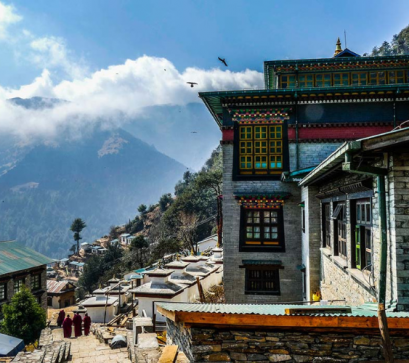
The most famous and accessible location, situated on the main trekking route to Everest Base Camp. Tengboche sits at an elevation of approximately 3,867 metres (12,687 feet) and offers dramatic views of Ama Dablam and Everest.
Chiwong Monastery
Located in the Phaplu region of Solu-Khumbu, Chiwong Monastery offers a quieter, less crowded alternative to Tengboche. Chiwong can be reached by flying to Phaplu (approx. 2,415 metres / 7,923 feet) and trekking from there. This lower-altitude route is often referred to as the Lower Everest experience.
Thame Monastery
Situated in a quieter valley north of Namche Bazaar, Thame is the most remote and traditional of the three locations.
On occasion, the festival rotates between these monasteries. Travellers should verify which monastery is hosting the public celebration in any given year.
Day One: The Empowerment (Wong)
The public proceedings begin on the full moon day. The head lama performs the Wong ceremony – a grand blessing and initiation for the community.
During this ritual, monks distribute two types of blessed pills:
Visitors will also witness the unveiling of the giant Torma – elaborate sculptures made of barley flour and decorated with coloured butter.
Day Two: The Masked Dances (Chham)
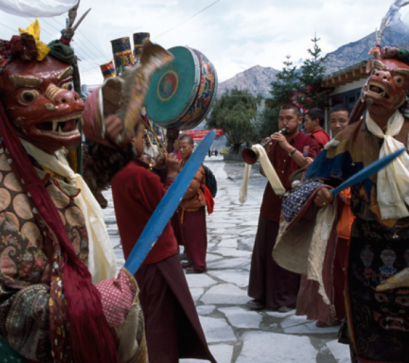
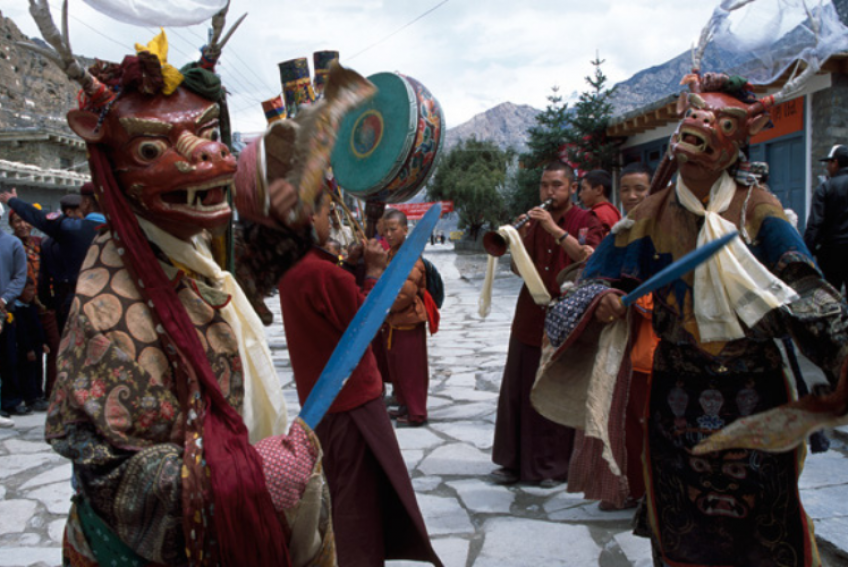
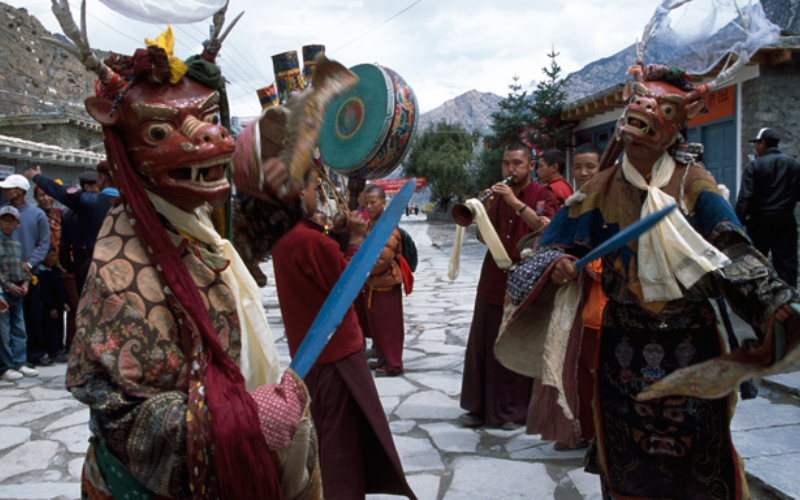
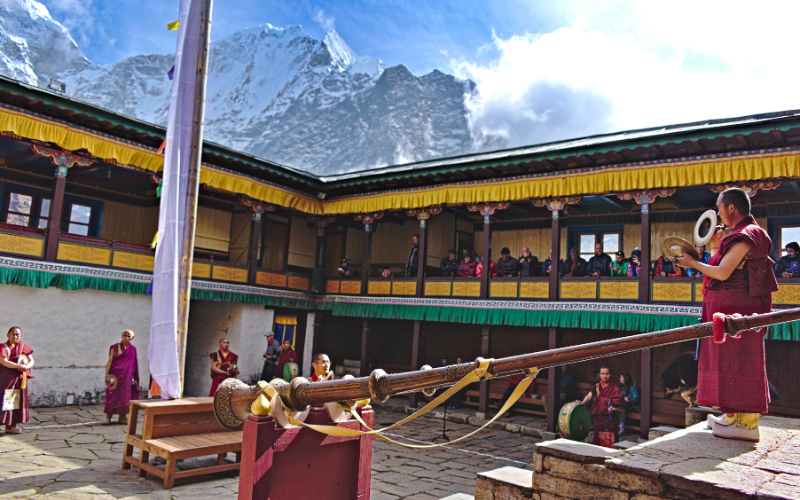
The second day is the visual highlight. The monastery courtyard becomes a stage as monks don elaborate brocade costumes and painted papier-mache masks to perform the Chham – sacred masked dances.
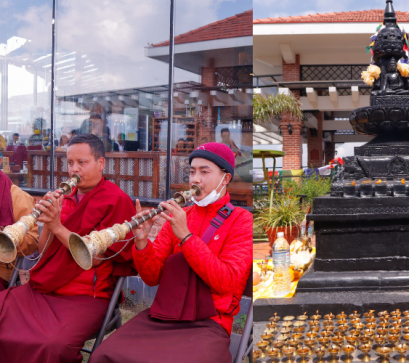
During the dance, the monks are believed to embody the deities they represent. The dances are not merely entertainment but ritual actions that subdue negative forces and demons, symbolically clearing the way for enlightenment. The performance is accompanied by deep copper horns and clashing cymbals.
Day Three: The Fire Puja (Jinsak)
The final day is dedicated to the Fire Puja (Jinsak) . An offering is made to Agni, the god of fire, and the deities of the Mandala.
In this ritual, negative energy and harm accumulated in the world are ritually dissolved into offerings of grain and butter, which are then burned in a sacred fire. This act cleanses the environment and the participants.
A distinctive feature of Mani Rimdu is the distribution of Mani Rilwu – small red blessed pills. These pills are considered sacred objects of protection. Devotees receive them during the Wong ceremony on the first public day.
Reaching Tengboche Monastery: The standard route involves a flight from Kathmandu to Lukla (2,800 metres / 9,186 feet) . From Lukla, travellers should allow 3 to 4 days of trekking to reach Tengboche, accounting for necessary acclimatisation stops:
Reaching Chiwong Monastery: An alternative route involves flying to Phaplu (approx. 2,415 metres) and trekking to Chiwong Monastery. This route operates at generally lower altitudes and offers a quieter experience away from the main Everest trail crowds.
Mani Rimdu offers travellers a rare opportunity to witness a living Buddhist tradition against the backdrop of the Himalayas. Unlike staged cultural performances, this is an authentic religious ceremony. Visitors are welcome as observers but should remember that for the Sherpa community, Mani Rimdu remains first and foremost a sacred ritual of blessing, protection, and spiritual renewal.
PC: Wikimedia Commons
Also Read