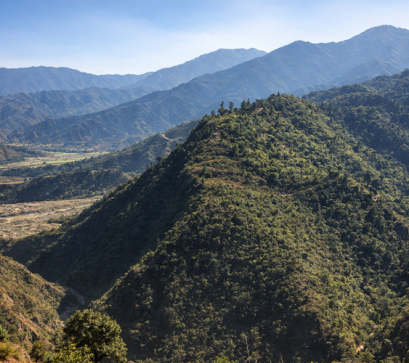
The Yakthung, more commonly known outside their community as the Limbu, are an indigenous Tibeto‑Burman people of eastern Nepal, particularly concentrated in the districts of Ilam, Panchthar, Taplejung, Dhankuta and Terhathum. The Yakthung identity is deeply intertwined with an oral tradition known as the Mundhum: an extensive corpus of myths, rituals, ethical teachings and cosmological narratives that codify the community’s relationship with nature, ancestors and the spirit world. The Mundhum is central to Yakthung religious life and cultural continuity.
Among the various festivals observed by the Yakthung, Kakphekwa Tangnam stands out as a significant cultural observance that marks both seasonal change and the beginning of the Yakthung New Year in the traditional calendar.
Kakphekwa Tangnam: Meaning and Timing
Celebrated annually in mid‑January, Kakphekwa Tangnam aligns with Maghe Sankranti in the broader Nepali calendar but follows distinct Yakthung cultural patterns and symbolism. The term Kakphekwa translates from the Yakthung language as the “flowering of the chaanp plant”: a reference to the blossoming of the Magnolia champaca, while Tangnam simply means “festival”.
This natural imagery symbolises the transition into a new cycle of seasons and life, resonating with Yakthung agricultural rhythms, climatic shifts and ancestral lore. On this day, the Yakthung calendar is reset for the community’s cultural year, known traditionally as Yele Tangbe or Yele Dong, ushering in a period of renewal and reflection.
Rituals, Customs and Cultural Significance
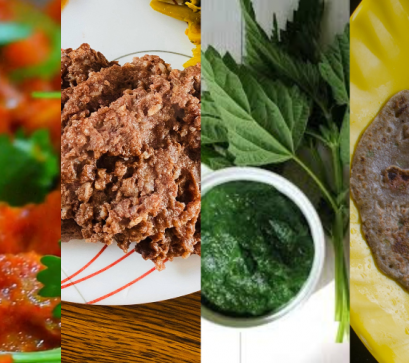
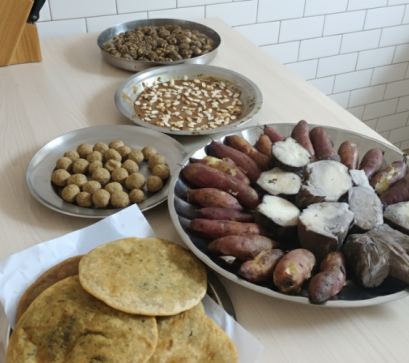
Observances begin at first light, with families performing ritual bathing and applying a tika made from wild yam on the forehead: a practice rooted in ancestral memory. On Kakphekwa Tangnam, community members consume various yams, tubers and sweet potatoes, recalling an ancient legend preserved in the Mundhum that speaks of Yakthung ancestors surviving on these tubers during times when grain was unavailable. The eating of such foods is therefore both symbolic and commemorative, honouring resilience and sustenance.
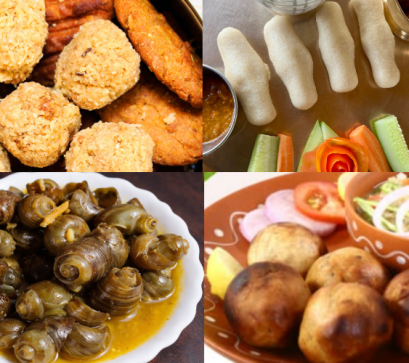
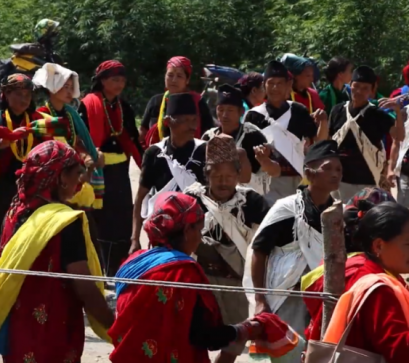
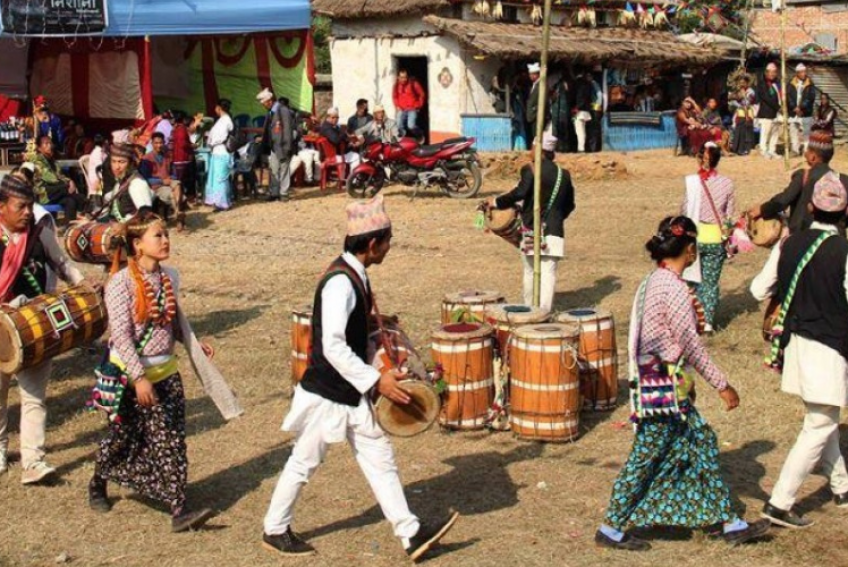
Family gatherings and communal feasting are central to the celebration, reinforcing social bonds and collective identity. Participants often exchange greetings, share traditional food, and reflect on the year ahead within the context of Yakthung cosmology and world‑view.
Cultural Resonance and Broader Yakthung Festival Life
Kakphekwa Tangnam is one among multiple festivals that punctuate the Yakthung cultural calendar. Others, such as Chasok Tangnam, may occur later in the year and focus on harvest rites or seasonal observances. While Chasok Tangnam is associated with the offering of first crops in gratitude to deities and nature spirits, Kakphekwa Tangnam remains distinctive for its symbolism of renewal and the continuity of life cycles.
Traditional Yakthung dance forms, such as Dhan Nach (Yalang) and other ritual performances, are often associated with these larger festival cycles, even though they are not specific to Kakphekwa Tangnam itself. These dances embody communal joy and shared cultural memory, linking seasonal change with artistic expression.
Why Kakphekwa Tangnam Matters to Travellers
For visitors to Nepal, attending Kakphekwa Tangnam presents an opportunity to experience living culture in its authentic setting. Unlike widely commercialised festivals, Yakthung traditions remain deeply rooted in community participation and generational continuity. Travellers are welcomed to observe these rituals and celebrations, provided they respect local customs and seek permission when participating in private or familial rites.
Witnessing Kakphekwa Tangnam offers insight not only into the Yakthung calendar and worldview but also into how indigenous knowledge systems continue to shape cultural identity across generations in eastern Nepal.
Also Read