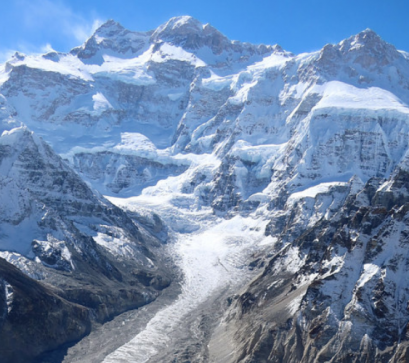
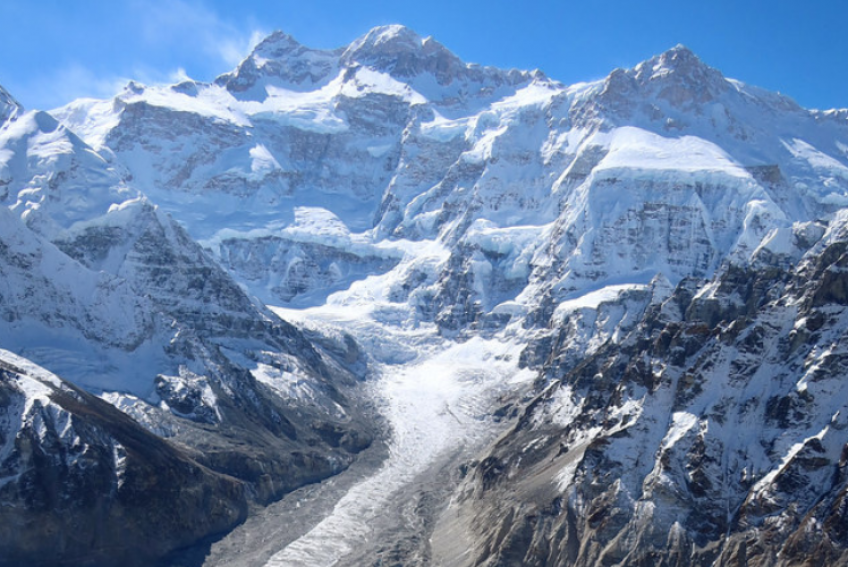
The Kanchenjunga Base Camp Trek is one of Nepal’s most pristine and rewarding high-altitude journeys, taking you deep into the eastern Himalayas around Mount Kanchenjunga, the world’s third-highest peak (8,586 m). This trek offers culture, wilderness, mountain panoramas, roaring rivers, and a sense of authentic exploration that few other trails can match.
Why Trek to Kanchenjunga Base Camp?
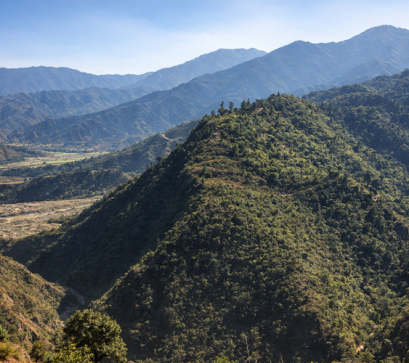
Unlike popular routes such as Everest or Annapurna Base Camp, the Kanchenjunga trek is remote, less crowded, and richly diverse. Trekkers experience lush rhododendron forests, high alpine landscapes, isolated teahouse settlements, and traditional Limbu, Rai, and Sherpa villages along the way.
The trail follows several majestic rivers that enhance both scenery and trekking experience:
Tamor River - one of the main rivers in eastern Nepal; trekkers encounter it in the lower valleys near villages like Mitlung, Sinwa, and Chirwa. Its flowing waters and surrounding forests make the early trek stages scenic and refreshing.
Ghunsa River - flows near Ghunsa village, offering crystal-clear waters and dramatic valley views as trekkers ascend toward higher altitudes.
Yamphudin Khola - a lively mountain river winding through lush forests, creating serene rest stops along the trail.
Lhonak River - originating from glaciers near the North Base Camp, adding to the stark alpine scenery and rugged high-mountain atmosphere.
.png)
The trek takes you to both the North and South Base Camps:
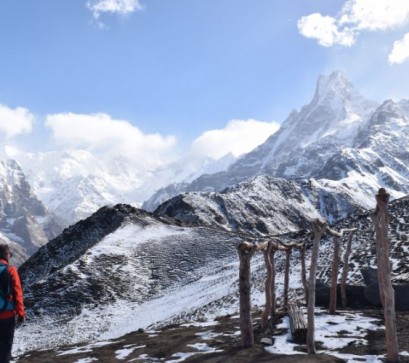
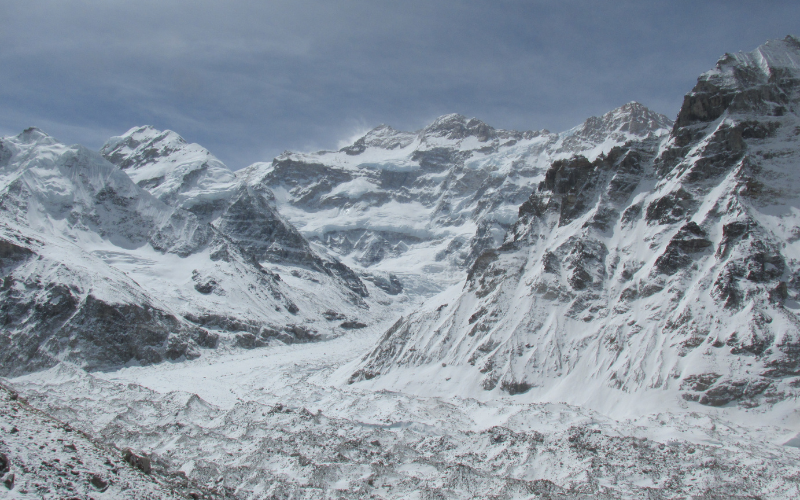
Pangpema (North Base Camp 5,143 m) offers awe-inspiring views of Kanchenjunga’s massive north face.
Oktang (South Base Camp 4,730 m) rewards trekkers with dramatic southern vistas and ice-fringed ridges.
Route, Duration, and Difficulty
The trek typically spans 15 to 26 days, depending on your itinerary and whether you include both base camps. The North Base Camp trek alone covers about 120-130 km, while the full circuit (north and south) can reach 220-240 km.
Due to its remote location, high passes, rivers, and rugged terrain, this trek is considered challenging, better suited to experienced hikers or well-prepared beginners. Daily walking often ranges from 6 to 8 hours through forests, river valleys, alpine meadows, and moraine paths.
Best Seasons to Trek
For the best weather and scenery:
Spring (March-May): rhododendron blooms, flowing rivers, and clear skies
Autumn (September-November): stable conditions, crisp mountain vistas, and vibrant river valleys
Monsoon (June-August) brings heavy rain and slippery trails, while winter can bring snow on high passes.
Acclimatization & Safety
Because the trail reaches over 5,100 m, altitude sickness is a real concern. Gradual ascent with scheduled rest and acclimatization days, especially in villages like Ghunsa and Lhonak is essential. Trekking near rivers requires caution, particularly after rain or during snowmelt, as bridges can be slippery.
Permits & Local Regulations
The Kanchenjunga region lies within a restricted conservation area, so you must trek with a registered guide or agency. Required permits include:
Kanchenjunga Conservation Area Permit (KCAP)
Restricted Area Permit (RAP)
Trekkers’ Information Management System (TIMS)
These permits support conservation and ensure trekkers are prepared for the remote environment.
Cultural & Natural Highlights
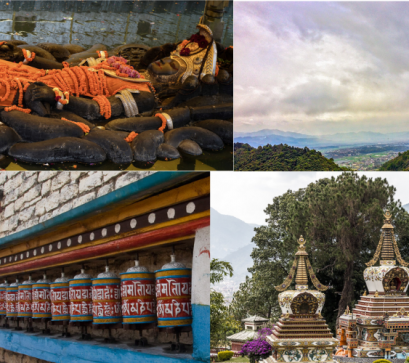
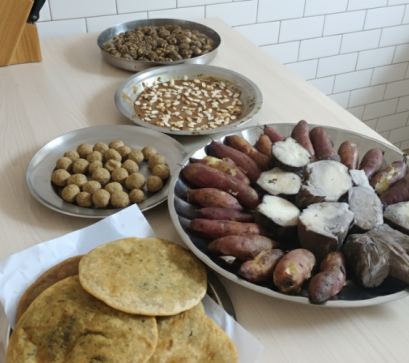
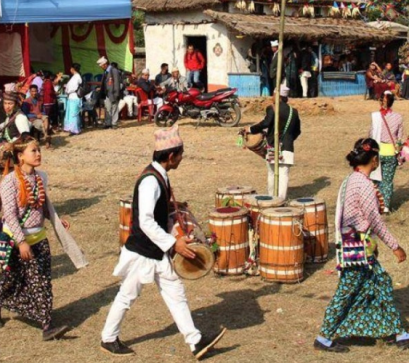
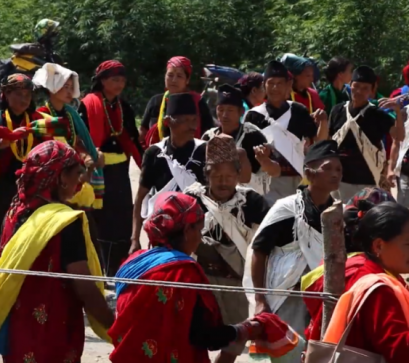
Along the trail, trekkers engage with local cultures and witness traditional lifestyles in remote Himalayan villages. Authentic teahouses serve meals like dal bhat, momos, and local delicacies.
The trek’s biodiversity is enhanced by its rivers:
Tamor River in the lower valleys
Ghunsa River along the mid-trail
Yamphudin Khola and Lhonak River at higher altitudes
These rivers provide scenic rest stops, crystal-clear waters, and spectacular photo opportunities while reflecting the surrounding snow-capped peaks and alpine landscapes.
Trek Costs
The Kanchenjunga Base Camp Trek is a remote and rewarding adventure, with costs varying for local and international trekkers. International tourists typically spend around USD 1,700-3,500 (NPR 230,000-470,000) for a guided trek, which includes permits, guides, accommodation, meals, and transport. Local Nepali trekkers can expect total costs of approximately NPR 80,000-150,000 (USD 690-1,200) thanks to lower permit fees and transport options. Additional expenses such as insurance, personal gear, and tips should be budgeted separately, while group bookings can help reduce overall costs.
PS: Flickr, Wikimedia Commons
Also Read