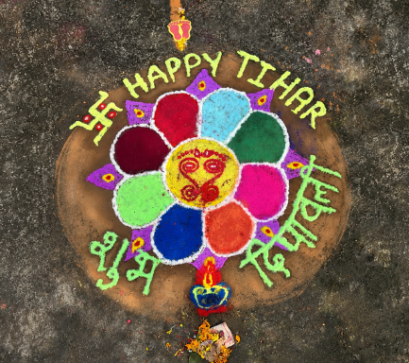
As the sun sets during Tihar, Nepal transforms into a glowing landscape of lights, colours and celebrations. Oil lamps flicker along doorsteps, marigold garlands brighten entrances, and colourful rangoli patterns decorate courtyards.
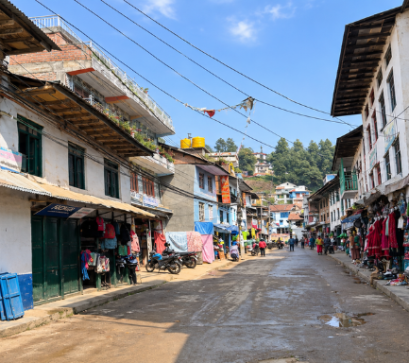
From the historic streets of Kathmandu and Bhaktapur to villages across the country, families prepare to welcome Goddess Laxmi, the Hindu deity of wealth and prosperity.
Celebrated on the third day of Tihar, Laxmi Puja falls on November 8 in 2026, marking one of the most significant occasions of Nepal's festival of lights.
According to Hindu belief, Goddess Laxmi visits homes on this auspicious night, bringing blessings of happiness, wealth and good fortune. To welcome her, families thoroughly clean their homes, decorate entrances with flowers and create symbolic footprints leading indoors.
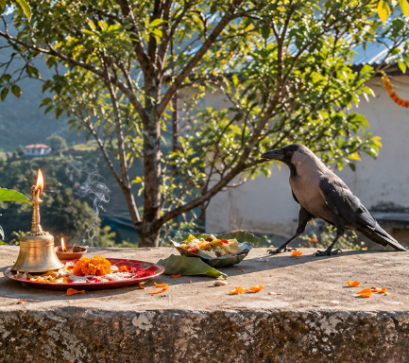
Traditional oil lamps, known as diyo, illuminate windows, balconies and courtyards. Although electric lights have become common, the warm glow of earthen lamps remains an important part of the celebration.
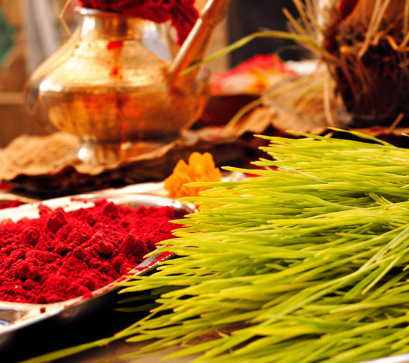
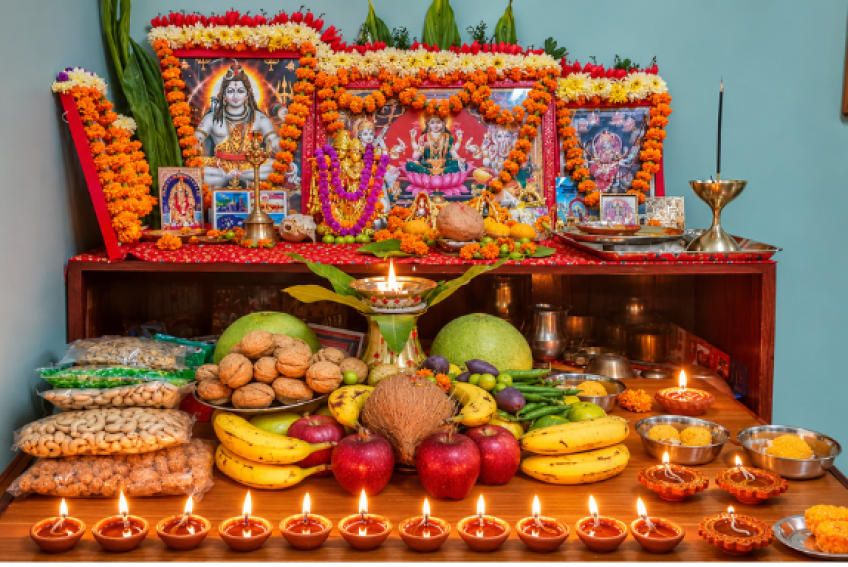
As evening approaches, families gather around decorated prayer spaces to worship Goddess Laxmi. Offerings include flowers, fruits, sweets, rice, coins and incense, accompanied by prayers and aarti.
The occasion is particularly meaningful for shopkeepers and business owners, who worship their account books, cash boxes and business premises while seeking blessings for prosperity.
Although rituals vary between households and communities, devotion and gratitude remain central to the celebration.
The celebrations extend beyond homes and temples as groups of children and young people walk through neighbourhoods singing traditional Bhailo songs.
These performances offer blessings of prosperity and happiness to households. In return, families traditionally give money, food or festive treats.
Together with Deusi performances during Tihar, Bhailo preserves an important part of Nepal's musical and cultural heritage, bringing neighbours together through shared celebrations.
While Laxmi Puja is associated with financial prosperity, its meaning extends beyond material possessions. The lamps symbolise hope and the triumph of light over darkness, while the rituals encourage gratitude, cleanliness and spiritual reflection.
For families, the occasion is also an opportunity to spend time together, exchange good wishes and preserve traditions passed down through generations.
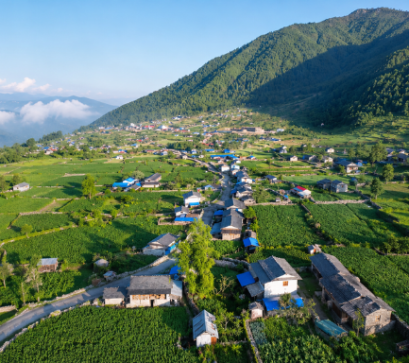
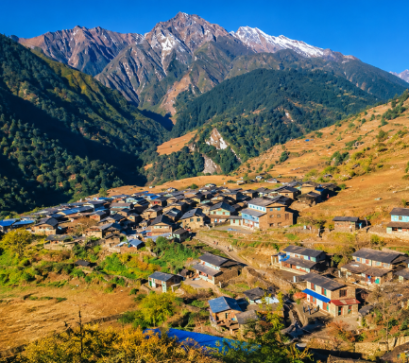
Whether celebrated in a brightly decorated city home or a quiet village courtyard, the spirit of Laxmi Puja remains unchanged.
As countless lamps illuminate Nepal, each flame carries a shared hope for happiness, peace and prosperity. A thousand lights, one tradition, and a celebration that continues to unite generations.