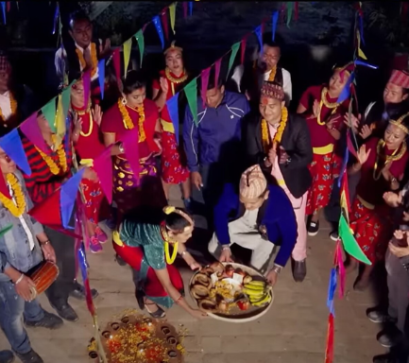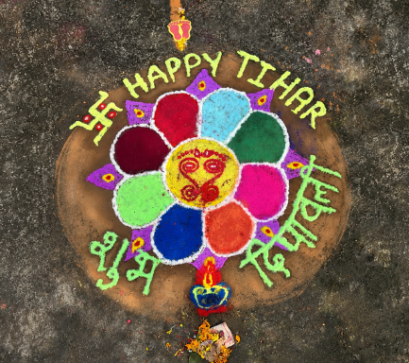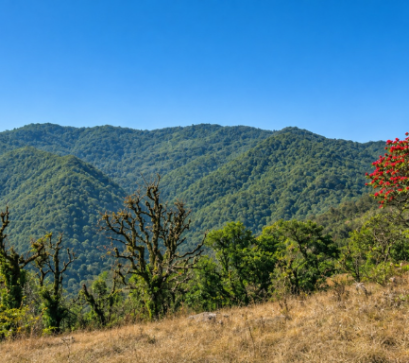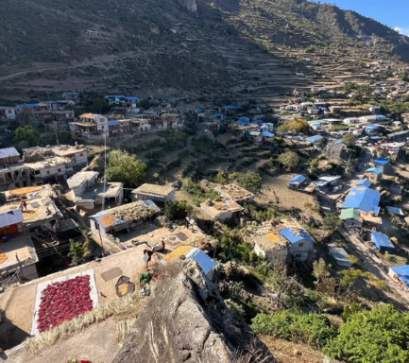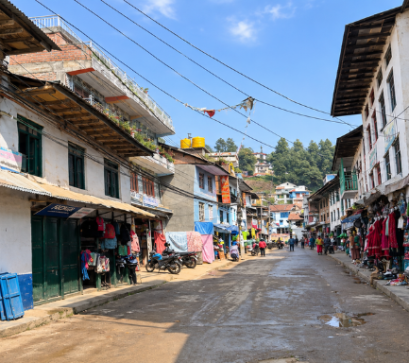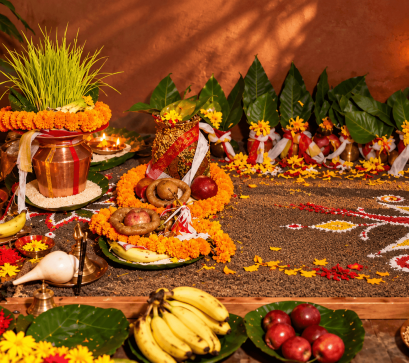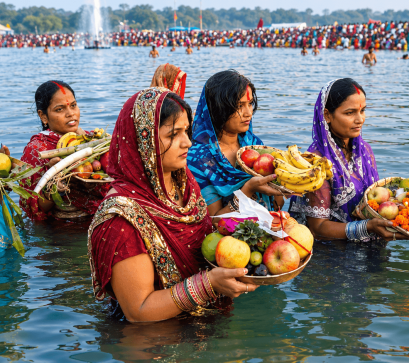
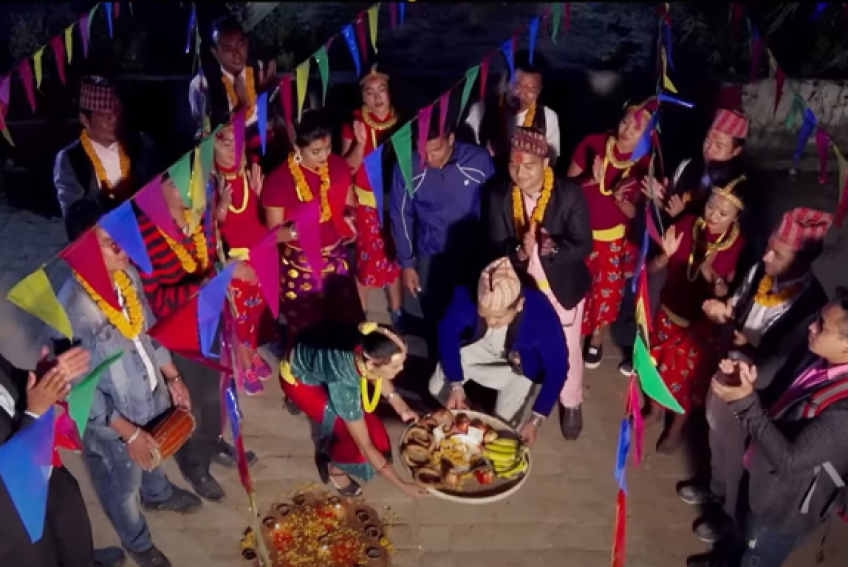
“Hami tesai aayenau, Bali Rajale pathako.” This familiar line, meaning “We have not come on our own; King Bali sent us,” has been sung during Tihar for generations. Yet, the identity of Bali Raja and the origin of Deusi-Bhailo remain subjects of different legends and historical interpretations.
Today, Deusi and Bhailo are among Nepal's most recognised folk traditions, combining music, storytelling, blessings and the exchange of offerings. Their history, however, goes much deeper than the festive performances seen during Tihar.

One of the most popular explanations comes from Hindu mythology. According to the legend, King Mahabali was a generous ruler who promised Lord Vishnu, disguised as the dwarf Vamana, three steps of land.
Vamana grew to an enormous size, covering the earth with one step and heaven with another. With nowhere left for the third step, Bali offered his own head.
Pleased by Bali's devotion, Vishnu granted him permission to return during Yama Panchak, the five-day period associated with Tihar. The tradition of welcoming Bali through songs and celebrations is often linked to the beginning of Deusi-Bhailo.

Beyond mythology, another account connects the tradition to King Baliraja Kalyal of Jumla in western Nepal.
Cultural expert Jagaman Gurung has discussed a tradition in which the king permitted male and female temple servants, known as Devdas and Devdasi, to visit households and collect offerings during Tihar.
According to this interpretation, the women sang Bhailo, associated with the word bhalo, meaning well-being, while the men chanted “Devdas Re,” which may have gradually become “Deusi Re.”
Although this account connects Deusi-Bhailo with medieval Nepal, its exact beginnings have not been established through conclusive historical evidence.
Another oral tradition associates Deusi-Bhailo with King Balihang and the Magar community.
One version tells of a ruler whose people lit lamps and offered prayers to protect him from an approaching death. His survival was celebrated through songs and expressions of joy, which are believed to have contributed to the Bhailo tradition.
These different accounts show how the custom has been preserved through the oral histories of Nepal's communities.
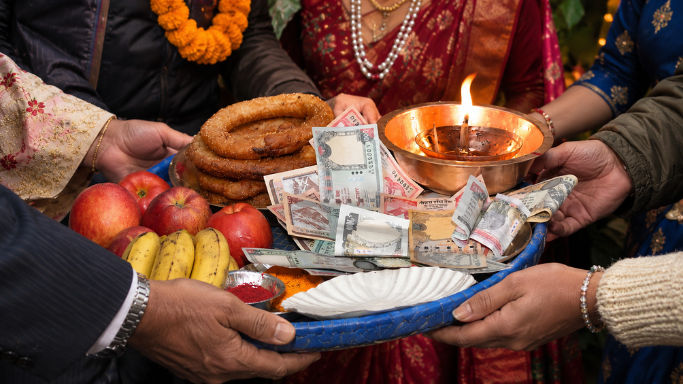
Traditionally, women performed Bhailo on Lakshmi Puja, while men performed Deusi the following day. Groups visited homes, sang blessings and received food, sweets or money.
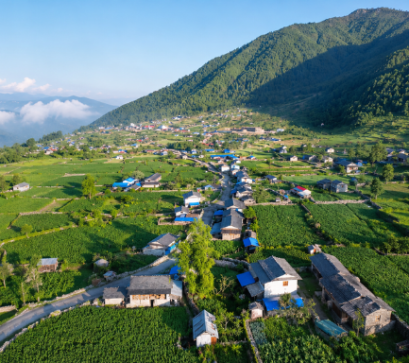
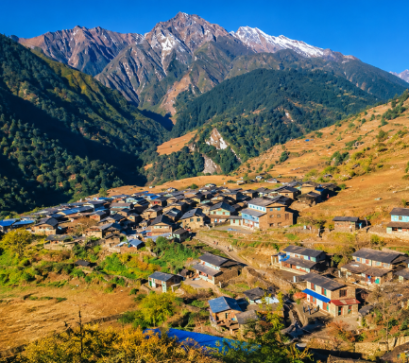
The songs also carried local histories. In Karnali, Puse Bhailo, performed during the winter season, preserves references to the Sinja civilisation, historic settlements, trade and agricultural life.
Although no single account fully explains how Deusi and Bhailo began, the tradition continues to connect Nepal's mythology, regional history and folk music.
Every time a group sings “Deusi Re,” it carries forward stories that have survived not through written records alone, but through the voices of generations.