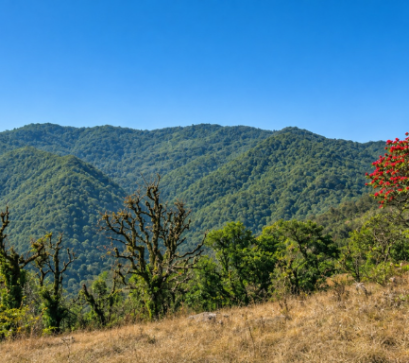
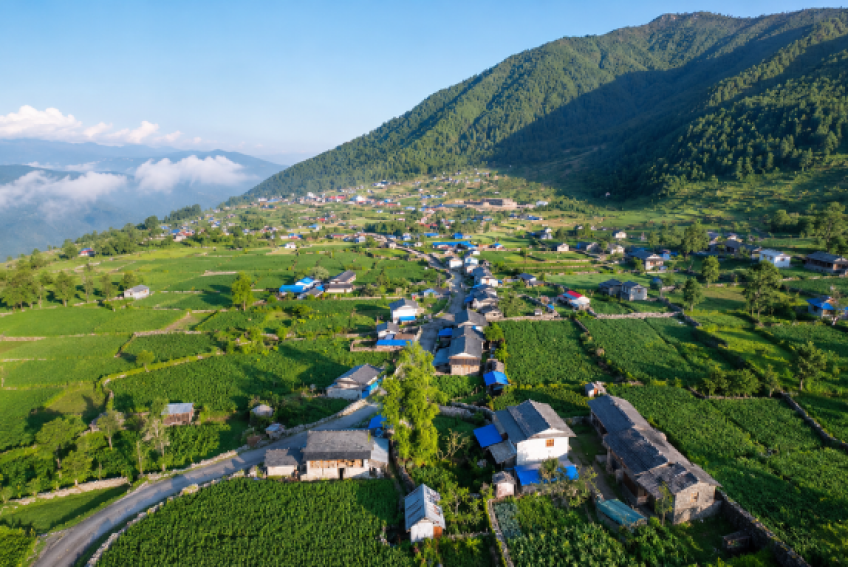
Dhorpatan is widely known for Nepal’s only hunting reserve, but beyond its wildlife and beautiful Himalayan landscapes lies a rich cultural heritage. Located in western Nepal, the Dhorpatan region is home to mountain communities whose lives have long been connected to farming, livestock, seasonal migration and traditional customs.
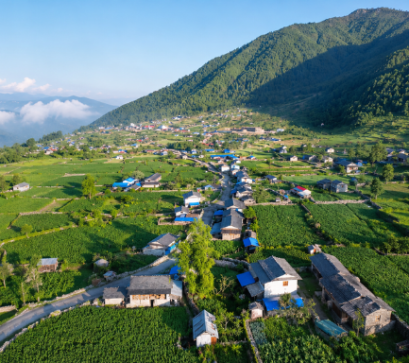
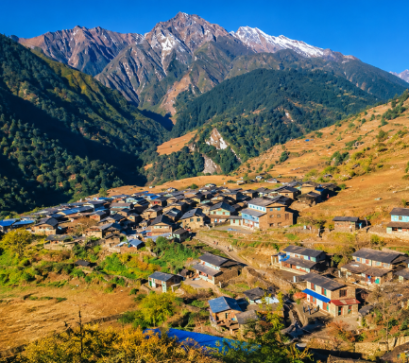
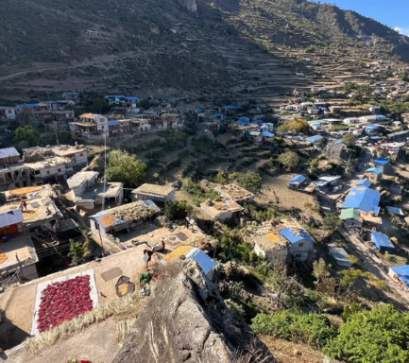
Spread across Baglung, Myagdi and eastern Rukum, the wider Dhorpatan landscape offers more than scenic grasslands and snow-covered mountains. Its settlements reveal how people have adapted to the difficult conditions of Himalayan life while preserving their cultural identities.
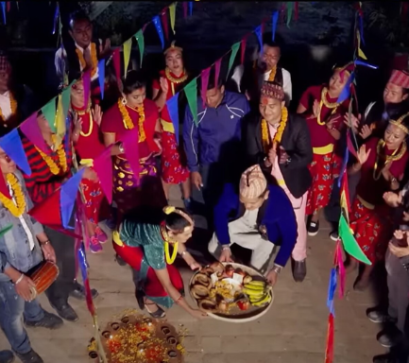
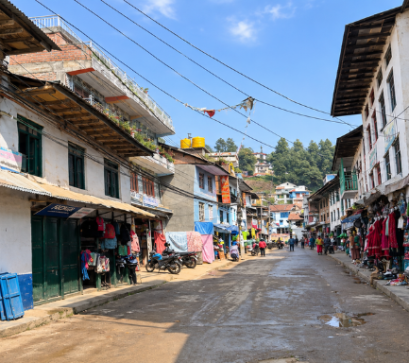
Dhorpatan is home to several communities, including Magar, Chhantyal, Bishwakarma, Thakali, Gurung and Tibetan families. Each contributes to the region's cultural diversity through its traditions, occupations, languages and everyday practices.
One distinctive settlement is Chentung, associated with Tibetan families who settled in Dhorpatan during the 1960s. Their presence adds another layer to the region's history through Tibetan cultural practices and traditional trading connections.
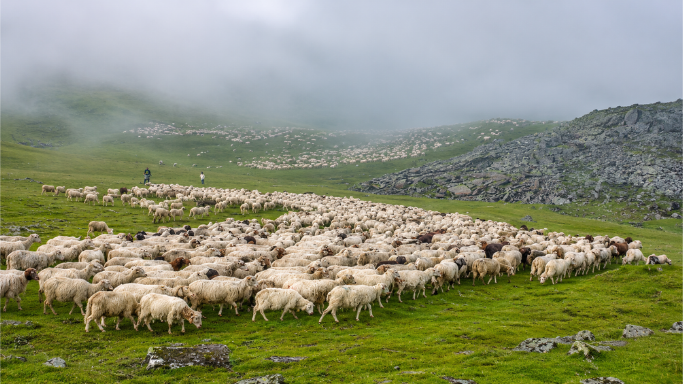
Agriculture and livestock farming have supported generations of families in Dhorpatan. Potatoes, buckwheat and wheat are important local crops, while sheep and goat herding remain closely associated with the region's traditional economy.
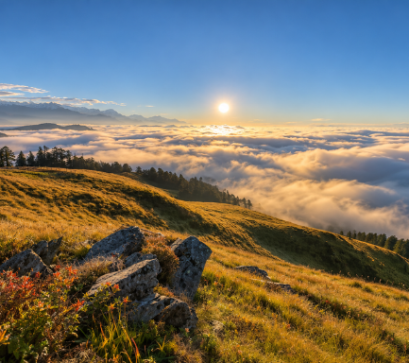
Seasonal migration is a distinctive feature of mountain life. During warmer months, herders take livestock to high-altitude pastures known as Buki, sometimes staying in temporary shelters called Goths. As winter approaches, they return towards lower elevations to escape the harsh mountain weather.
Historically, Dhorpatan also had trading connections with Tibet, where agricultural produce was exchanged for salt, wool and livestock.
Cultural life in Dhorpatan extends beyond farming and grazing. The Dhorbaraha religious site near the Uttar Ganga River attracts devotees, particularly during Janai Purnima.
Local food traditions reflect the mountain environment, with potatoes, buckwheat and dairy products playing an important role in everyday diets. Community celebrations, religious practices and traditional knowledge contribute to the identity of different settlements.
Dhorpatan's traditional lifestyle is gradually changing as roads, education, migration and new economic opportunities influence mountain communities. At the same time, conservation regulations and changing land-use practices have raised questions about access to traditional resources.
Community-based tourism, local food experiences and cultural visits could create opportunities for residents while helping preserve traditional knowledge.
Beyond its reputation as a hunting destination, Dhorpatan is a living cultural landscape. Its true identity is found not only in its mountains and wildlife but also in the people, traditions and livelihoods that have shaped the region for generations.