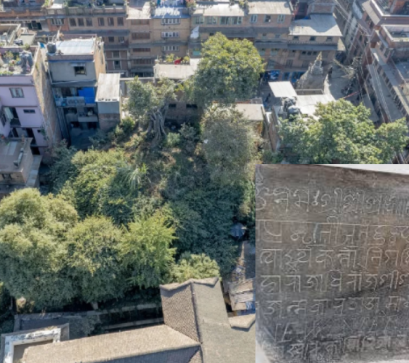

Located near the dramatic cliffs of Chobhar Gorge, Jal Binayak Temple is one of the most revered shrines dedicated to Lord Ganesh in the Kathmandu Valley. Situated in the historic settlement of Chobhar on the southern edge of the valley, the temple blends spiritual significance with scenic surroundings, making it a meaningful stop for travellers exploring the cultural landscape of Kathmandu.
For generations, devotees have visited the shrine to seek blessings from Lord Ganesh, widely worshipped as the remover of obstacles and the deity of new beginnings. Its location close to the Bagmati River and the legendary Chobhar Gorge adds both natural beauty and mythological significance to the site.
Historical Background
Jal Binayak Temple is believed to have been established in 723 Nepal Sambat (1602 AD) during the Malla period, under the reign of King Shiva Singh Malla. The temple has undergone restorations over the centuries, reflecting its continued importance as a place of worship.
The shrine is one of the four traditional Binayak temples of the Kathmandu Valley, which are associated with the spiritual protection of the valley. These temples include:
Together, these temples form an important part of the valley’s religious heritage and remain significant pilgrimage destinations.
The name “Jal Binayak” comes from the Nepali word jal, meaning water, referring to the association of the shrine with a natural water source and the sacred idol housed within the temple.
Architecture and Temple Design
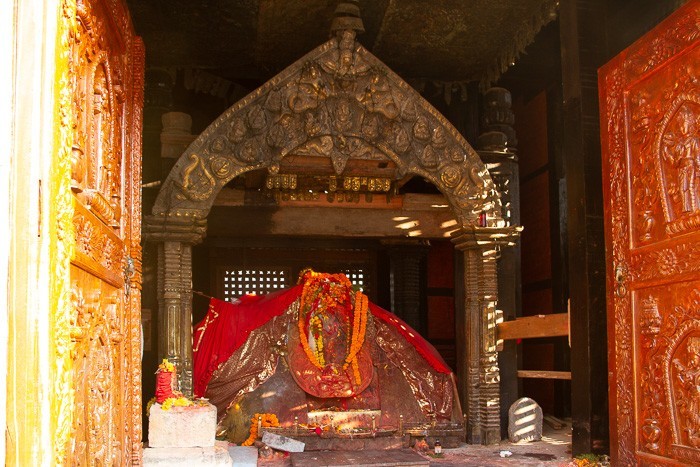
Jal Binayak Temple reflects the traditional pagoda-style architecture widely seen across the Kathmandu Valley. Although relatively modest in scale, the temple displays classic features of historic Nepali temple design.
Notable elements include:
The temple complex also includes smaller shrines, prayer bells, and spaces where devotees gather to offer flowers, incense, and traditional sweets.
Religious Importance
Lord Ganesh holds an important place in Hindu worship as the deity who removes obstacles and brings good fortune. As a result, many devotees visit Jal Binayak Temple before beginning journeys, starting businesses, or undertaking significant life events.
The temple is especially busy on Tuesdays, which are considered auspicious for Ganesh worship. During festivals such as Ganesh Chaturthi, the temple attracts large numbers of devotees who gather to offer prayers and participate in religious rituals.
For visitors, observing these daily practices provides insight into the living spiritual traditions of the Kathmandu Valley.

A Scenic Cultural Stop
Beyond its spiritual significance, Jal Binayak Temple is also a rewarding destination for travellers interested in exploring the natural and historical sites around Chobhar.
The temple lies close to Chobhar Gorge, where the Bagmati River flows through a dramatic canyon. According to local legend, the gorge was created when the Bodhisattva Manjushree cut open the surrounding hills to drain a vast lake that once filled the Kathmandu Valley.
Nearby places worth visiting include:
These attractions together make the area a pleasant cultural excursion just outside the capital.
How to Reach Jal Binayak Temple
Jal Binayak Temple is located about 7- 9 kilometres southwest of central Kathmandu, making it an easy half-day trip for travellers.
By Taxi or Private Vehicle
The most convenient option is travelling by taxi or private car. The journey from central Kathmandu usually takes 20-30 minutes, depending on traffic.
By Local Bus
Local buses travelling towards Chobhar or Kirtipur are available from several locations in Kathmandu. From the Chobhar bus stop, the temple is only a short walk away.
By Cycling or Hiking
Cyclists and hikers may also enjoy travelling to Chobhar, passing through traditional neighbourhoods and scenic viewpoints along the way.
Whether you come to offer prayers or simply to explore the area, Jal Binayak remains a peaceful and culturally meaningful destination just outside the busy streets of Kathmandu.
PC: Asian Historical Architecture
Also Read