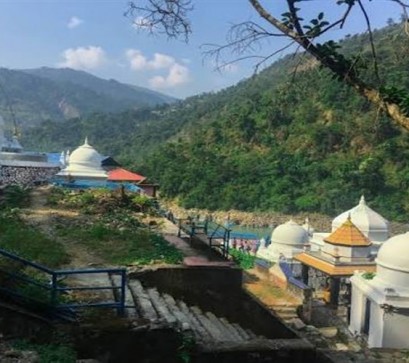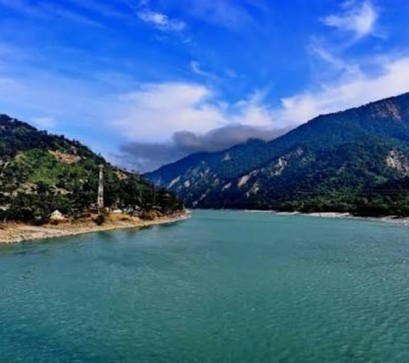

Tucked quietly on a wooded ridge overlooking the bustle of central Kathmandu, the Mahankaal Temple is one of the valley’s lesser-known yet deeply revered shrines. Located just above Narayanhiti Palace Museum, this sacred site offers a rare blend of spiritual calm, historical depth, and natural serenity which makes it a meaningful stop for both pilgrims and curious travellers.
Historical and Religious Context
The Mahankaal Temple is dedicated to Mahakala, a fierce manifestation of Shiva associated with time, death, and cosmic dissolution. In Kathmandu Valley, Mahakala is also venerated within Vajrayana Buddhism as a powerful protector deity, illustrating the region’s unique interweaving of Hindu and Buddhist traditions.

Though the exact date of the temple’s origin remains uncertain, local belief suggests that the shrine has existed for centuries, evolving gradually through small additions rather than large-scale reconstruction. Unlike the grand pagoda temples of the valley, Mahankaal retains a modest, almost hermitage-like character.
Location and Setting
In the western edge of Tundikhel, near Bir Hospital and opposite the Army Hospital in New Road, central Kathmandu, the temple is reached via a short but steep walk through shaded pathways.
The temple’s proximity to Narayanhiti Palace Museum, once the royal residence of Nepal’s monarchy adds a subtle historical dimension to the visit. Yet despite being so centrally located, Mahankaal remains relatively uncrowded, preserving its atmosphere.

Architecture and Layout
The Mahankaal Temple complex is simple and unpretentious:
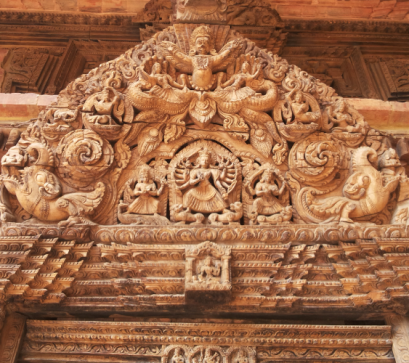
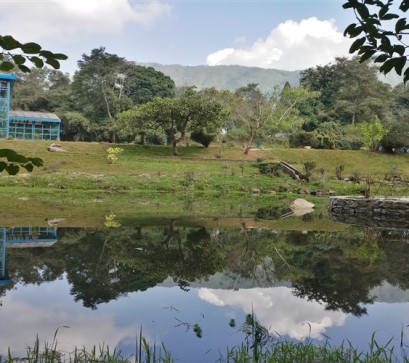
Rather than monumental architecture, the temple’s charm lies in its intimate scale and organic integration with nature.
Rituals and Worship
Mahankaal Temple draws a steady stream of local devotees, particularly on:
Devotees typically offer flowers, incense, and tika, seeking protection, strength, and relief from obstacles. The presence of both Hindu and Buddhist worshippers reflects Kathmandu’s long-standing tradition of shared sacred spaces.
Cultural Significance
While not as prominent as landmarks like Pashupatinath Temple or Swayambhunath Stupa, Mahankaal Temple holds quiet cultural importance:
For travellers, this makes Mahankaal less about spectacle and more about authentic experience.

Also Read

.jpg)
.jpg)