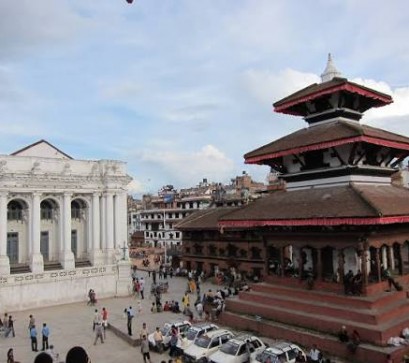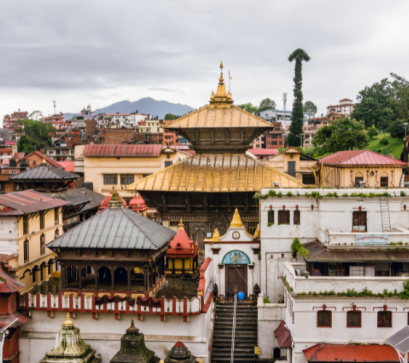
In the heart of Kathmandu’s ancient squares lives one of Nepal’s most extraordinary traditions: the Kumari, or Living Goddess. While widely associated with Hindu devotion, the Kumari tradition is deeply rooted in Vajrayana Buddhism, reflecting Nepal’s unique cultural synthesis where faiths do not compete, but coexist.
A Living Embodiment of the Divine
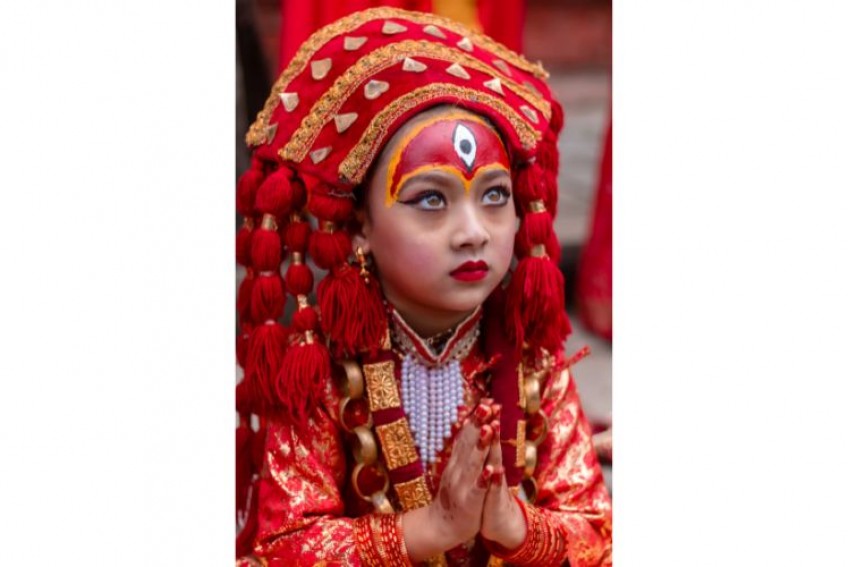
The Kumari is believed to be the human incarnation of Taleju Bhawani, who, in Buddhist interpretation, is linked to Vajradevi: a powerful female deity in Vajrayana practice. Chosen from the Newar Buddhist Shakya clan, the Kumari must meet strict physical and spiritual criteria, symbolising purity, fearlessness, and divine presence.
Why Buddhists Revere the Kumari
For Newar Buddhists, particularly followers of Vajrayana traditions, the Kumari represents a living manifestation of enlightened feminine energy. She is not worshipped as a distant deity, but as a present, breathing embodiment of spiritual power: bridging the human and the divine.
Her selection process itself reflects Buddhist values: calmness under pressure, inner strength, and detachment. Rituals surrounding the Kumari emphasise tantric symbolism, where the divine feminine plays a central role in spiritual awakening.
.jpg)
Sacred Rituals and Public Appearances
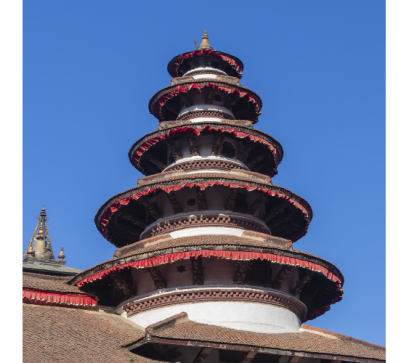
The Kumari resides in the historic Kumari Ghar, rarely appearing in public except during major festivals like Indra Jatra. During this festival, she is paraded through the city in a chariot, blessing devotees - both Hindu and Buddhist alike.
This shared reverence highlights a rare spiritual harmony, where the Kumari transcends religious boundaries and becomes a symbol of unity in Nepalese culture.
A Tradition Beyond Religion
More than a ritual, the Kumari tradition reflects Nepal’s layered identity where Buddhist philosophy and Hindu devotion intertwine seamlessly. For Buddhists, she represents wisdom, protection, and the living presence of the sacred feminine in everyday life.
In a rapidly modernising world, the Kumari remains a powerful reminder that spirituality can still be found not only in temples and texts, but in living, breathing traditions that continue to shape Nepal’s cultural soul.
PC: Wikimedia Commons
Also Read