
Somewhere past 3,500 metres, appetite becomes complicated. The air holds less oxygen, digestion slows, and the rich dal bhat that fuels the lowlands starts to feel like the wrong tool for the job. This is the exact altitude at which thukpa takes over the menu – and once you understand what's actually in the bowl, it's obvious why.
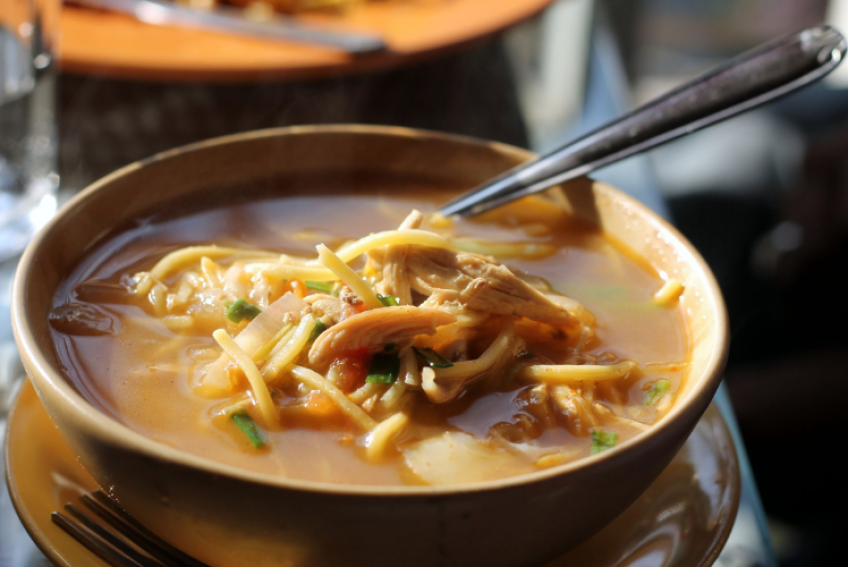
Thukpa traces back to the Amdo region of eastern Tibet, high, windswept, and largely pastoral – precisely the kind of terrain that produces food designed around necessity rather than indulgence. The dish is, at its structural core, hand-pulled or hand-cut wheat noodles simmered in a broth with whatever protein and vegetables are on hand: yak, mutton, chicken, or a legume substitute in its vegetarian forms, built up with ginger, garlic, and a blunt hit of chili to counter the cold.
What makes thukpa a mountain food rather than a mountain-adjacent one is its structure: a single-pot, high-calorie, easily digestible meal, everything a trekking body needs dissolved into one broth that's gentle on a compromised appetite and hot enough to do real thermoregulatory work. Tibetan nomads built entire winters around it for exactly this reason, long before it reached a trekking menu.
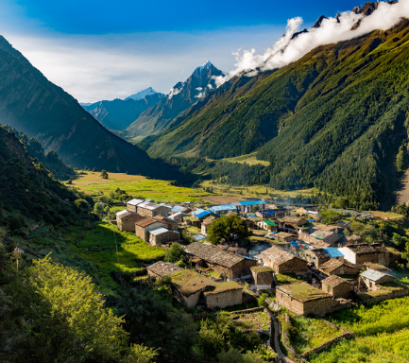
Thukpa arrived in Nepal's high valleys through the Sherpa communities of Solukhumbu, descendants of Tibetan clans who crossed into the Khumbu region roughly five to six centuries ago, bringing their language, their Buddhism, and their kitchen with them. In the Everest region today, it sits alongside shakpa (a heartier stew), tsampa (roasted barley flour), and yak butter tea as one of the four pillars of Sherpa daily eating. Most Sherpa villages sit somewhere between 2,700 and 4,300 metres, high enough that oxygen levels are noticeably thinner than at sea level, which is exactly the environment this kind of food was built to answer.
The dish didn't stay confined to Khumbu. It travels the length of Nepal's high trekking circuits: Everest Base Camp, the Annapurna Circuit and Sanctuary, Manaslu, and the arid trails of Mustang; adapting slightly at each stop. Nepali versions tend to run spicier and more tomato-forward than their Tibetan ancestor; in Sherpa teahouses closer to the Tibetan border, the broth stays plainer, letting the yak meat or mutton carry the dish.
Trekkers who've spent time on the trail learn to recognise the variants:
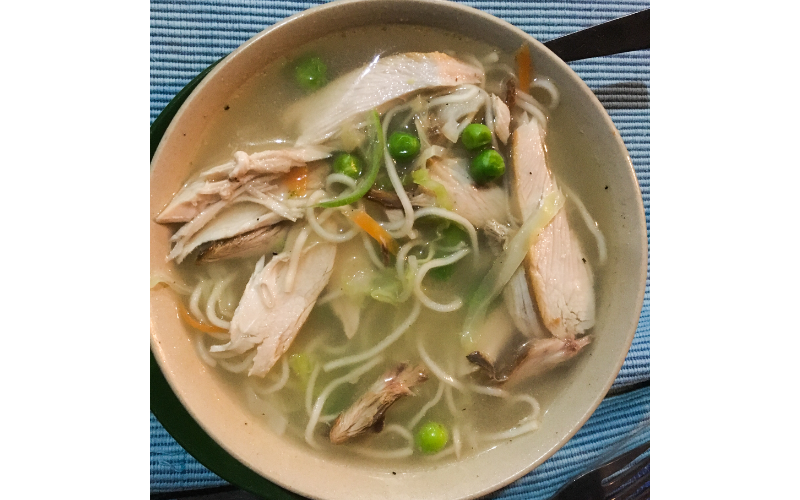
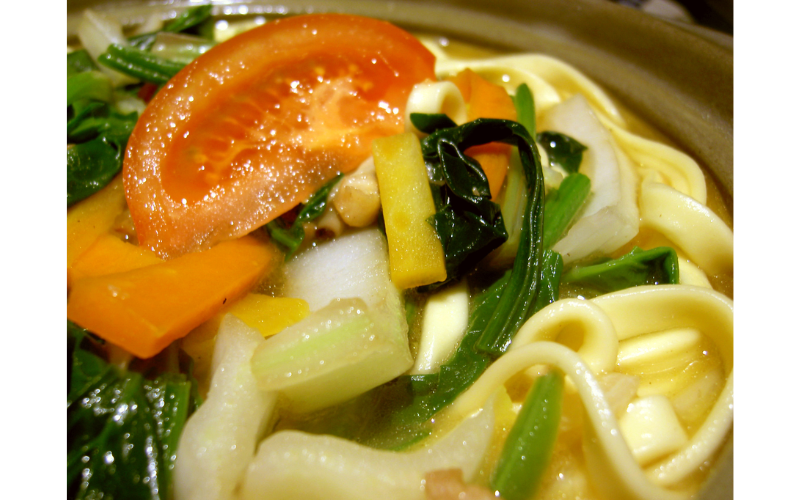
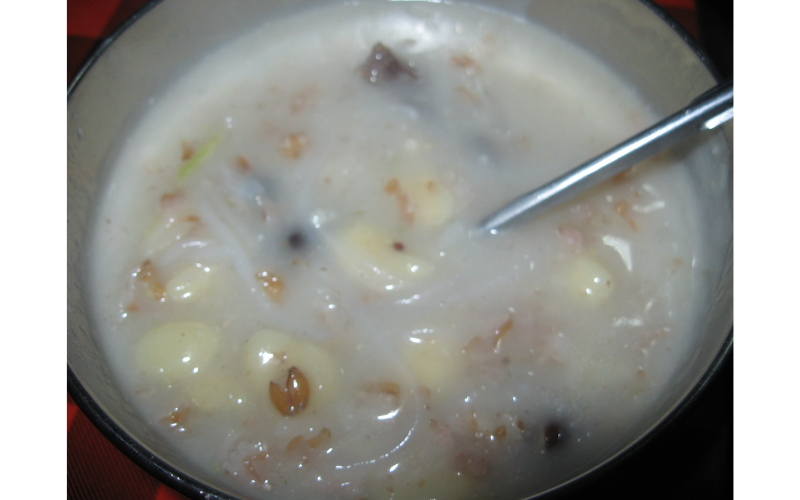
Ask any experienced trekking guide in the Khumbu or Annapurna region what to eat above 3,000 metres and thukpa is usually near the top of the list – not for romance, but for practicality. It's hot, which matters more than it sounds like it should when your core temperature is fighting a losing battle; it's broth-forward, which helps with the mild dehydration altitude causes; and it's simple enough for teahouse kitchens running on gas canisters and limited supply chains to make reliably, meal after meal, without much variation in quality.
Compare that to fried or heavily oiled dishes, which sit poorly in a body already working overtime just to process oxygen, and the appeal becomes less about tradition and more about physiology dressed up as cuisine.
There's a reason thukpa never got replaced by a trendier trail food in forty years of Nepali trekking tourism: it still does the one job that matters at altitude – keeping a cold, oxygen-starved body fed, warm, and moving toward the next pass.

.png)