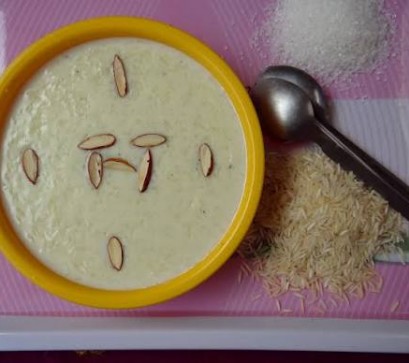

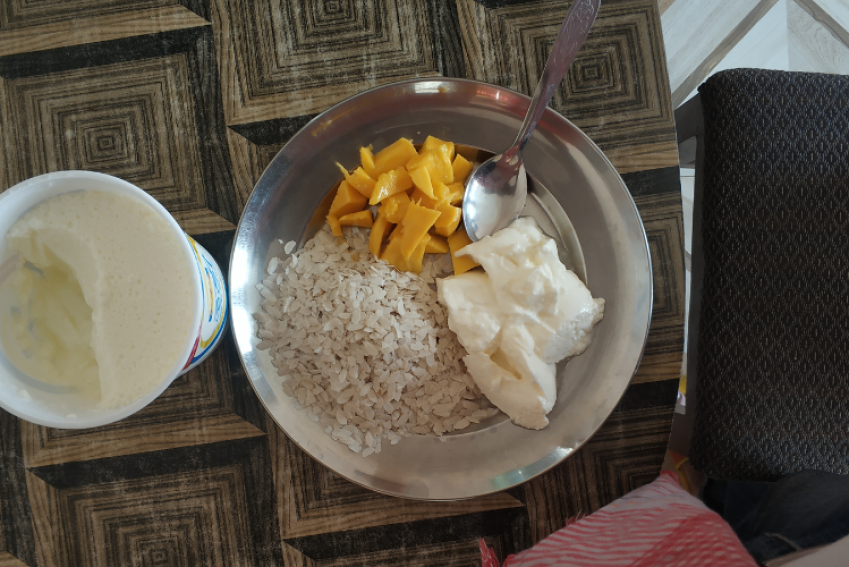
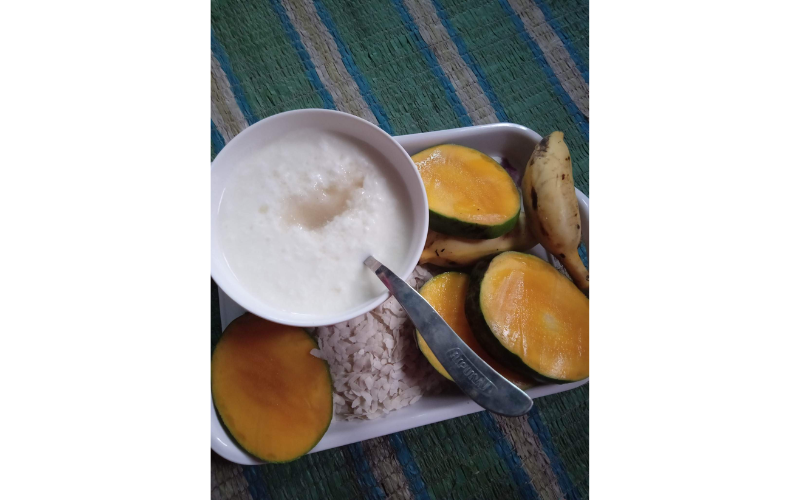
At the heart of the celebration is one iconic dish: dahi chiura — thick yogurt served with beaten rice (chiura), paired with seasonal fruits, jaggery, and a ripe banana. Simple, nourishing, and deeply symbolic, dahi chiura is the taste of Asar 15 for millions of Nepalis. The day is also popularly known as Dahi Chiura Khane Din — literally, the day of eating dahi chiura.
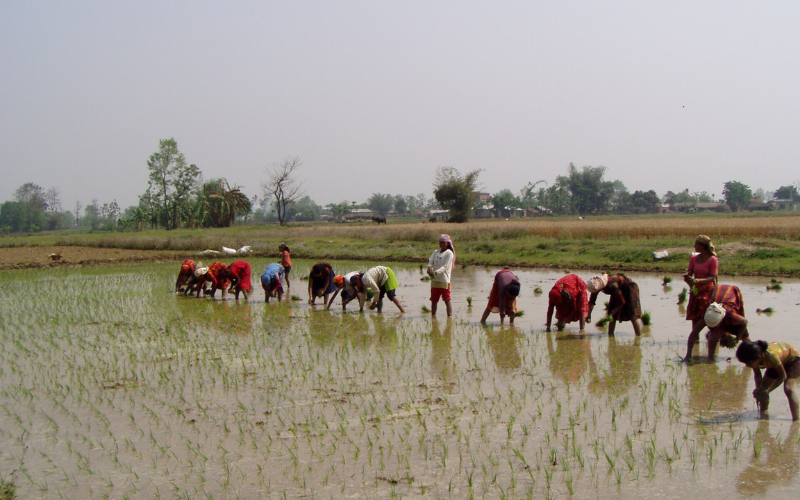
In Nepal's traditional agrarian calendar, Asar (roughly mid-June to mid-July) is the most critical month of the farming year. The monsoon rains have arrived, the paddies are flooded, and it is time to transplant rice seedlings from nursery beds into the main fields — a backbreaking, mud-soaked process that has defined Nepali rural life for centuries.
According to cultural belief, the 15th of Asar is considered the most auspicious day of the entire month to begin rice planting. Historically, entire communities would come together on this day to help one another plant rice, rotating from field to field in a spirit of collective labor. The physical toil was lightened with folk songs called ashare geet (Asar songs) and shared meals eaten in the fields.
The Nepal Government officially declared Asar 15 as National Paddy Day (Rastriya Dhan Diwas) on 14 December 2004, with the stated aim of encouraging rice production and honoring the nation's farming heritage. The celebration has been held under the theme "Increase rice production for self-sufficiency and prosperity" ever since. Today, while mechanized farming has reduced the need for purely communal planting in many areas, Asar 15 has grown into a vibrant national celebration observed across urban and rural Nepal alike.
Asar 15 goes by several names: Rastriya Dhan Diwas (National Paddy Day), Ropain Diwas (Rice Planting Day), Dhan Diwas, and Dahi Chiura Khane Din. All refer to the same June 29 celebration.
The bond between Asar 15 and dahi chiura is rooted in both practicality and centuries of tradition. Farmers working long hours in flooded fields needed food that required no cooking, was easy to carry, and provided lasting energy. Dahi chiura — yogurt and flattened rice — was the perfect answer.
Chiura (beaten or flattened rice) is made by parboiling paddy and then pressing the grains flat into thin, dry flakes. It rehydrates instantly in liquid, requires no fire or preparation time, and is light enough to carry in a cloth bundle to the field. Combined with thick, tangy dahi (yogurt — traditionally made from rich buffalo milk in Nepal), it forms a complete, balanced meal rich in carbohydrates, protein, and probiotics. It also cools the body during physically demanding work under the hot monsoon sun.
On Asar 15, dahi chiura is eaten by virtually everyone in Nepal — farmers in the Terai, office workers in Kathmandu, and schoolchildren across the country. The dish is typically dressed up with:
• Ripe banana, sliced over the top
• A spoonful of jaggery (raw cane sugar) or honey for sweetness
• Fresh mango or other seasonal fruits
• A pinch of salt or cardamom powder
• Soaked chickpeas or black-eyed peas on the side
Celebrations vary by region but several traditions are nearly universal across the country.
The centerpiece of the day is ropain — the communal transplanting of rice seedlings into flooded paddies. Men typically plough and level the fields while women plant the seedlings row by row, bending into the muddy water in coordinated rhythm. On Asar 15, this labor becomes a joyful communal event: people dress in traditional attire (daura suruwal for men, gunyo choli for women), splash mud at one another, and sing ashare geet to keep spirits high. Organized ropain events are held in cities including Kathmandu, Pokhara, and Bhaktapur for those who wish to participate.
Ashare geet are folk songs traditionally sung during rice planting — call-and-response melodies passed down through generations that reference the rains, the earth, love, longing for family members working abroad, and hopes for a bountiful harvest. On Asar 15, these songs fill the air not just in villages but on radio stations, at concert stages, and in school programs across the country. In Eastern Nepal, the equivalent tradition of dohori (duet songs) accompanied by madal drum and bansuri flute is particularly vibrant.
One of the most endearing aspects of Asar 15 is its gleeful messiness. Getting covered in mud is not merely tolerated — it is enthusiastically encouraged, and there is a traditional belief that one should touch the earth at least once on this day. Young people in particular embrace the mud-soaked chaos, and social media fills every late June with joyful images of mud-splattered Nepalis celebrating in the paddies.
Asar 15 is officially recognized as National Paddy Day (Rastriya Dhan Diwas) — not to be confused with Farmers' Day, which is a separate observance. The Ministry of Agriculture and Livestock Development organizes programs across districts to promote sustainable rice cultivation, distribute seeds and tools, and raise awareness of food security. The Karnali Province has additionally declared Asar 15 a provincial public holiday (with the exception of Jumla District, where paddy planting begins much earlier due to altitude).
If you're in Nepal on June 29, Asar 15 is an unmissable experience. Here are the best places to join in:
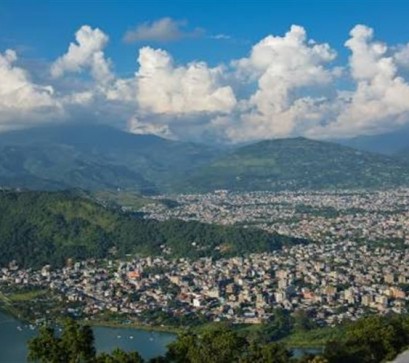
• Kathmandu Valley: Organized ropain events take place in paddy fields around Kirtipur, Bhaktapur, and Patan. The Kathmandu Metropolitan City typically holds a public event near the Bagmati River corridor.
• Eastern Nepal (Jhapa, Ilam, Biratnagar): Eastern Nepal is famous for celebrating Asar 15 with particular energy — large rice-planting gatherings, folk music festivals, and community feasts are well established here.
• Terai villages: For the most authentic experience, visit any farming community in the Terai (the southern plains) — rice planting here is on a massive scale and the collective energy is extraordinary.
• Bhaktapur: The Newari farming communities around Bhaktapur maintain strong Asar 15 traditions, with ropain in the city's surrounding fields accompanied by traditional music and dahi chiura served in the paddy.
Recreating the taste of Asar 15 is wonderfully simple. Here is the traditional preparation:
• Place beaten rice (chiura) in a bowl.
• Add dahi: Spoon thick, full-fat yogurt generously over the chiura.
• Sweeten and garnish: Add a spoonful of jaggery or honey, sliced banana, and any ripe seasonal fruit — mango is the classic pairing in Asar season.
• Season lightly: A tiny pinch of salt and a dusting of cardamom powder round out the flavors beautifully.
• Serve immediately — chiura absorbs liquid quickly and becomes mushy if left to sit.
It is also customary to share the dish with neighbors and offer it as prasad (a blessed food offering) to deities on this day.
Beyond its joyful surface, Asar 15 carries profound significance. Rice is Nepal's single most important food crop — accounting for around 20% of agricultural GDP and providing over half of all cereal calories consumed in the country. Agriculture as a whole engages roughly two-thirds of Nepal's population for their livelihood (Economic Survey 2080/81, Government of Nepal). In an era of rapid urbanization and growing food imports, the festival serves as an annual reminder of just how central rice cultivation remains to Nepal's economy, culture, and daily identity.
Asar 15 also reflects the intimate relationship between Nepali culture and the monsoon. Where other agricultural traditions celebrate dry summer harvests, Nepal's great farming moment arrives with the rains — mud, water, and community under grey monsoon skies. Getting muddy on Asar 15 is, in the deepest sense, an act of gratitude.
Q: When is Asar 15 in 2026?
A: Asar 15 (Bikram Sambat 2083) falls on Monday, June 29, 2026. The date consistently lands on June 29 in the Gregorian calendar each year, as Asar 15 is fixed to the solar Bikram Sambat calendar rather than shifting with lunar cycles.
Q: What is the official name of Asar 15?
A: The official government name is Rastriya Dhan Diwas, meaning National Paddy Day. It was declared a national observance by the Nepal Government on 14 December 2004. It is also widely known as Ropain Diwas (Rice Planting Day) and Dahi Chiura Khane Din (the day of eating dahi chiura).
Q: What does "dahi chiura" mean?
A: Dahi means yogurt and chiura means beaten or flattened rice in Nepali. The dish combines thick yogurt with dried flat rice flakes, typically sweetened with jaggery and garnished with banana or mango. It is eaten across Nepal on Asar 15 as a culturally significant, energy-giving meal.
Q: Is Asar 15 a public holiday in Nepal?
A: Asar 15 is a national observance and the government organizes official programs on this day, but it is not a nationwide public holiday. The Karnali Province has declared it a provincial public holiday (except in Jumla District). Most government offices and schools hold Asar 15 events rather than closing entirely.
Q: Can tourists participate in Asar 15 celebrations?
A: Absolutely — and it's highly recommended. Asar 15 is one of the most welcoming festivals in Nepal for visitors. Joining a ropain event, planting seedlings in the mud, and eating dahi chiura with locals is a genuinely memorable cultural experience that requires no special invitation at public events.
Picture Credits: Wikimedia Commons


.jpg)

.jpg)