This guide breaks down Nepal's seasons month by month, so you can pick the perfect window for your trip.
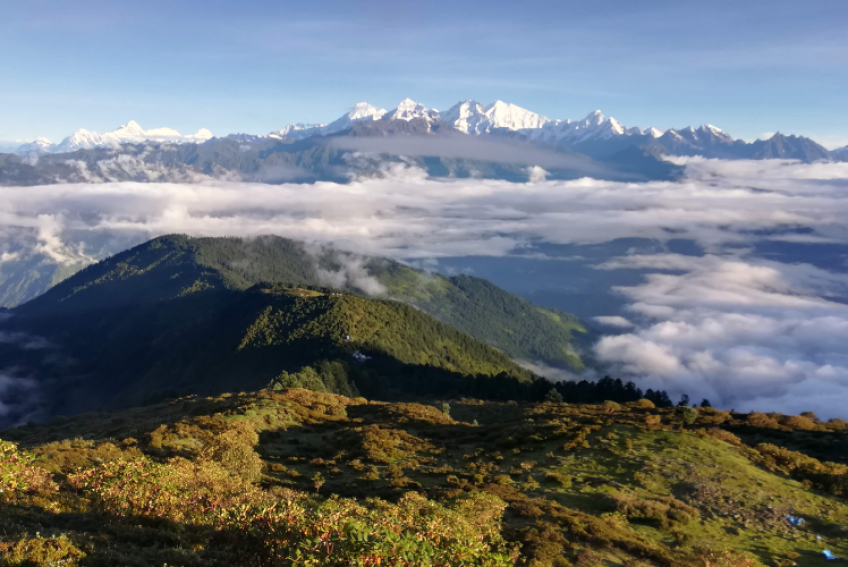
Spring is widely regarded as the best overall time to visit Nepal. Temperatures are warm and pleasant at lower elevations (15°C–25°C in Kathmandu), while the higher Himalayan trails burst into color as rhododendrons — Nepal's national flower — bloom in shades of red and pink across the hillsides.
• Excellent trekking conditions on all major routes, including Everest Base Camp, Annapurna Circuit, and Langtang Valley
• Clear mountain views before the pre-monsoon haze sets in (typically mid-May)
• Ideal climbing season — most Everest expeditions summit in May
• Warmer nights at high altitude compared to autumn
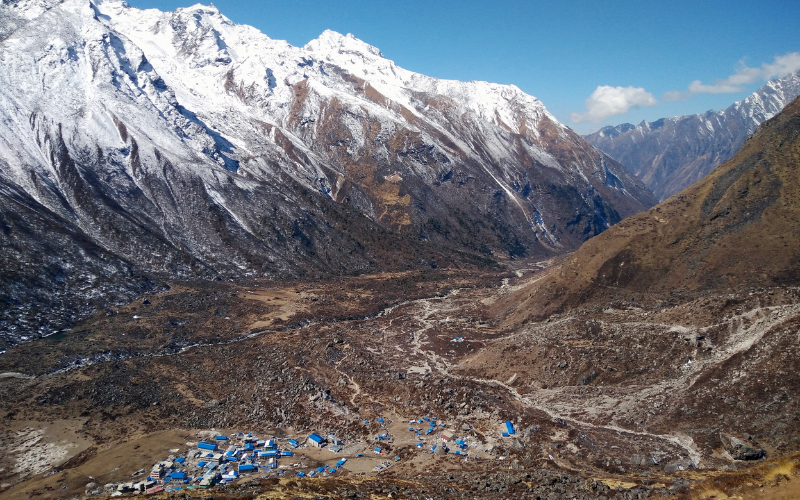
The main downside: spring is peak season. Popular trails can get crowded, tea houses fill up quickly, and prices rise. Book accommodation and flights well in advance if you're visiting in March–April.
Nepal's monsoon season arrives in June and brings heavy rainfall, particularly in the hills and Terai lowlands. Mountain views are often obscured by clouds, and leech activity on forest trails increases significantly. For most international visitors, the monsoon is the least recommended time to trek.
However, the monsoon has a silver lining. Certain areas of Nepal lie in a rain shadow zone — most notably Upper Mustang, Dolpo, and Tsum Valley — and remain dry even during peak monsoon. These are fantastic options for trekkers willing to visit outside the standard seasons.
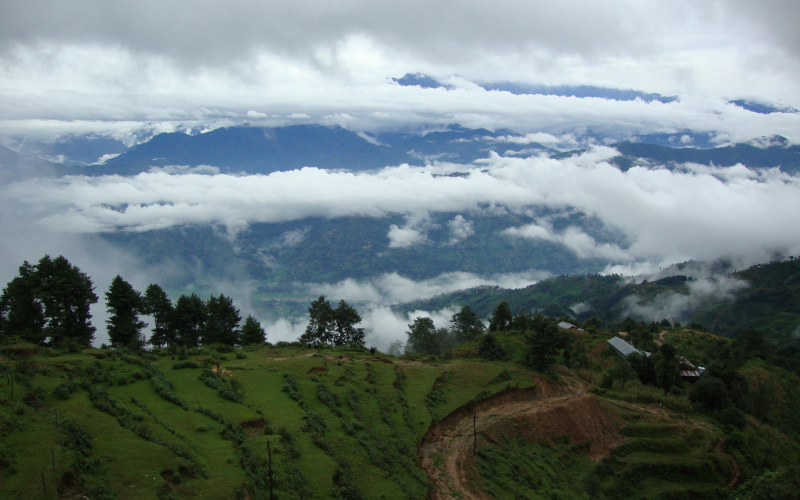
Tip: Monsoon is a wonderful time to visit Nepal's national parks in the Terai, including Chitwan and Bardia, for wildlife watching. The jungle vegetation is lush, fewer tourists are around, and hotel rates drop by 30–50%.
The monsoon season also aligns with several of Nepal's most important festivals, including Teej (a major women's festival) and Nag Panchami.
Autumn — especially October and November — is the single most popular period for trekking in Nepal. The monsoon rains wash the sky clean, leaving behind crystal-clear mountain panoramas and crisp, fresh air. Temperatures are ideal across all elevations.
• Sharpest mountain visibility of any season
• Stable, predictable weather with very low rainfall
• Perfect for high passes — trails like Thorong La (Annapurna) and Larke La (Manaslu) are at their most reliable
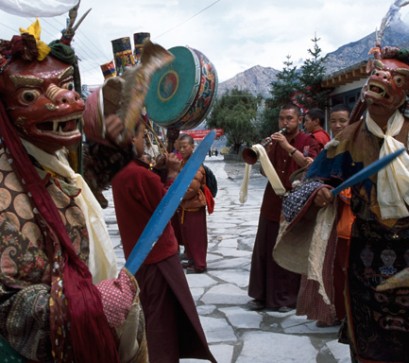
• Nepal's biggest festival season: Dashain and Tihar fall in October–November, offering a rich cultural immersion.
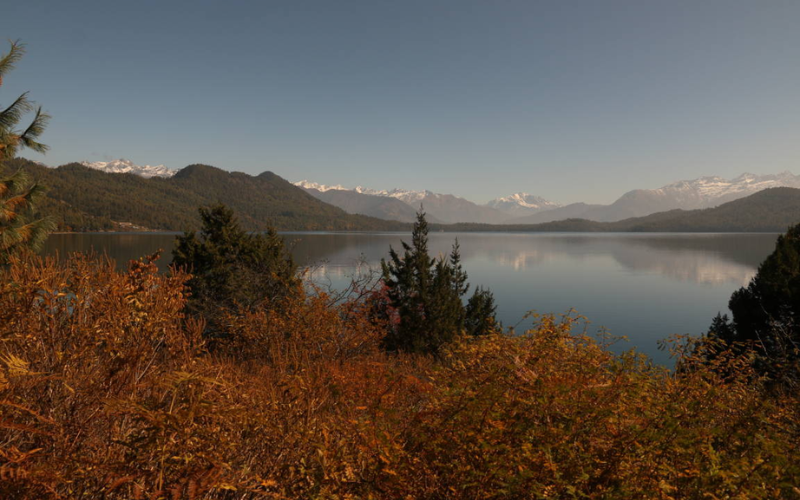
Expect crowds on popular trails and in Kathmandu's tourist districts. September offers a good balance — the weather clears early in the month, but visitor numbers haven't yet reached their October peak.
Nepal's winter months are the least visited, and they offer a completely different kind of travel experience. High passes above 4,500 m can become impassable with snow, but lower-altitude treks remain perfectly accessible — and almost entirely free of other tourists.
Kathmandu in winter is dry and often smoggy due to temperature inversions, but daytime temperatures remain comfortable (8°C–18°C). January is the coldest month, with sub-zero nights in the mountains. Trekkers who come prepared with quality cold-weather gear, however, find winter Nepal exceptionally peaceful and affordable — prices for hotels and services can drop by 20–40%.
Nepal's festivals are among the most vivid in Asia. Timing your visit to coincide with a major celebration can transform a good trip into an unforgettable one.
• Holi (March): The festival of colors — streets erupt in clouds of colored powder
• Buddha Jayanti (May): Celebrates the birth of the Buddha at Lumbini and Boudhanath
• Teej (August/September): A spectacular women's festival with fasting, red saris, and temple dancing
• Dashain (October): Nepal's biggest festival — think Christmas meets Diwali, lasting 15 days
• Tihar (October/November): The festival of lights, with oil lamps, flower garlands, and candles everywhere
• Indra Jatra (September): Kathmandu's ancient chariot festival in Durbar Square
• Best for trekking: October–November (autumn), March–May (spring)
• Best for budget travel: December–February (winter)
• Best for wildlife: October–March (Chitwan & Bardia)
• Best for rain-shadow regions: June–August (Upper Mustang, Dolpo)
• Best for festivals: October–November (Dashain & Tihar)
A: October is widely considered the best single month to visit Nepal — the monsoon has cleared, skies are at their clearest, and temperatures are ideal for trekking. March is a close second for its rhododendron blooms and warmer temperatures.
A: Yes, for the most part. Cities like Kathmandu and Pokhara remain accessible, and rain-shadow regions like Upper Mustang are ideal. Major trekking trails in the mid-hills can be risky due to landslides, so it's important to check trail conditions before setting out.
A: Kathmandu temperatures range from about 3°C to 18°C in winter. At altitude (above 3,000 m), nighttime temperatures can drop to -15°C or below, so high-quality cold-weather gear is essential.
A: Popular trekking trails like Everest Base Camp and Annapurna Circuit can be crowded during peak spring (April) and peak autumn (October). Booking in advance and considering less-traveled routes is strongly advised.
Picture Credits: Wikimedia Commons

.jpg)
.jpg)