
Ask any Nepali what they remember about school, and somewhere between the tiffin box and the playground, they will mention the small packet of titaura: sour, spiced, and utterly addictive, passed around under the desk or traded at the gate of the paun bhandar.
There is a tree that grows throughout Nepal's mid-hills – in home gardens, along terraced fields, on the edges of forests – that most people outside the country have never heard of. Its English name, the Nepali hog plum, does it no favours. But its Nepali name, lapsi (लप्सी), carries an entire culture of taste inside it: the sharp tang of raw fruit eaten off the branch, the slow-dried sweetness of a candy pressed into your palm by a friend, the complex, mouth-filling depth of a festival pickle simmered with spices your grandmother knew by hand.
Lapsi is not merely an ingredient. It is a sensory archive of what it means to grow up in Nepal.
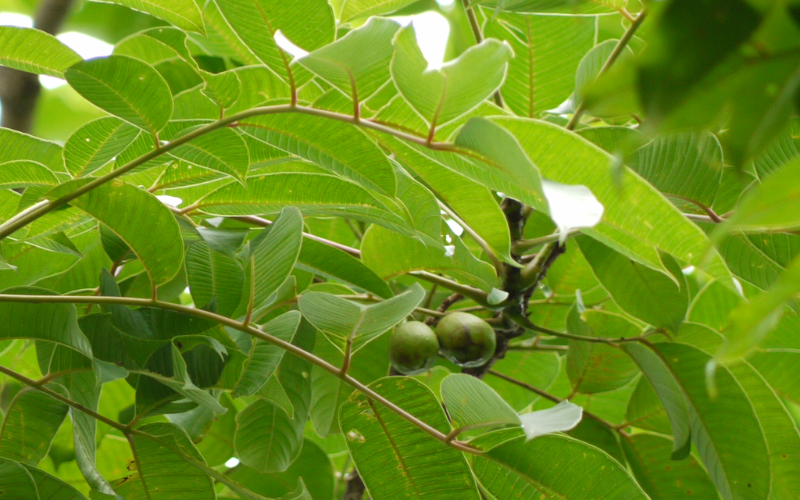
Known botanically as Choerospondias axillaris, lapsi belongs to the Anacardiaceae family – the same botanical family as the mango. It is the sole species in its genus, found naturally across the Himalayas, southern China, Taiwan, and parts of Japan and Indochina. In Nepal, it thrives particularly in the mid-hill belt, where its deciduous canopy can rise up to twenty metres high, the smaller branches darkening to a distinctive purple-brown as the tree matures.
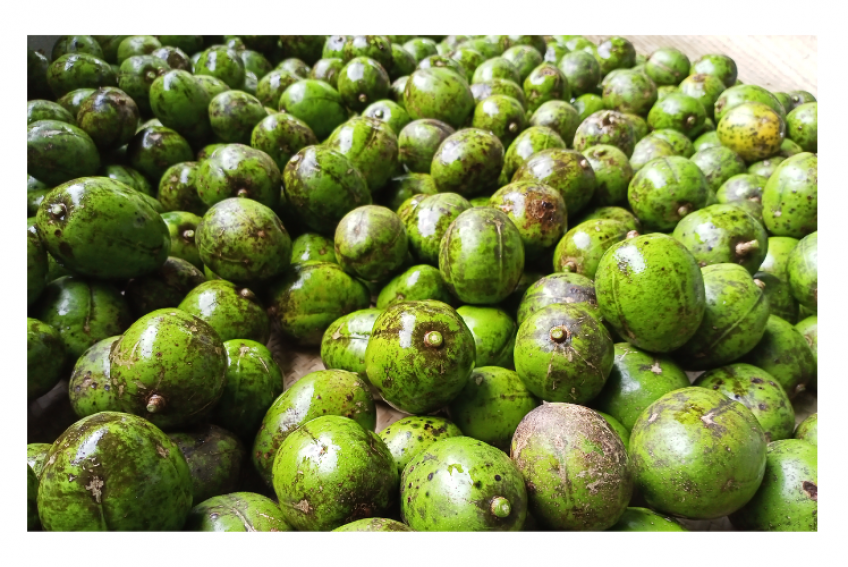
The fruit itself is modest in appearance: about three centimetres long, oval, transitioning from green to yellow as it ripens, with a soft, whitish, deeply sour flesh wrapped around a hard central kernel. It is nutritious – high in vitamin C and rich in amino acids – and on the Nepali market, its seasonal price has long been comparable to that of the mandarin orange. What makes it exceptional is not its sweetness (it has almost none in its raw state) but the quality of its sourness: complex, layered, and with a mellow fruitiness underneath that absorbs spices and sweeteners with remarkable versatility.
In Newari, the fruit is called aamli. In Nepal Bhasa it carries its own cultural weight, woven into the food traditions of the Kathmandu Valley long before anyone thought to turn it into a packaged candy.
"The best thing about lapsi is it can move between sweet and sour ingredients when used to make pickles, candies, or mada. It can absorb any taste, making it an interesting food."
The journey from wild fruit to schoolyard staple runs through a very specific Kathmandu institution: the paun bhandar, the small sweet-and-spice shop that once anchored every neighbourhood and school gate. These modest counters were where titaura – the broad Nepali term for spiced dried-fruit candy – first found its mass audience.
Among the most celebrated is Ratna Park Paun Bhandar, which traces its origins back nearly five decades to a family in Machhindra Bahal, Kathmandu, whose members would wake each morning to a home filled with the smell of lapsi being processed. The family's aunt made madaand titaura from lapsi peels and pulp, and sold them from the family's paun bhandar. Business grew steadily enough that by 1997, production shifted from the family kitchen to a factory in Matatirtha – one that now produces more than thirty varieties of titaura. The shop itself later moved from Ratna Park to New Road, but its reputation as the definitive address for lapsi candy has never wavered.
The demand, it turns out, has always outpaced supply. The Paun Bhandar alone requires between two thousand and three thousand kilograms of lapsi per day to produce its four categories of product: dry titaura, mada, jhol titaura, and candies. Lapsi products are now also exported to neighbouring countries, carried in suitcases by the Nepali diaspora as one of those small, irreplaceable pieces of home that no supermarket abroad can replicate.
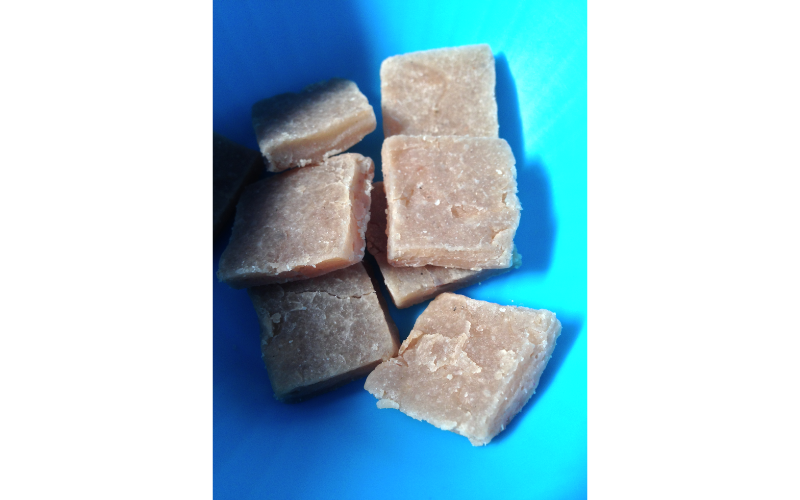
Titaura is less a single product than a philosophy of flavour: the art of taking a sour fruit and transforming it through drying, spicing, and sweetening into something that defies easy description. The base is almost always lapsi pulp – sometimes left in pieces, sometimes reduced to a paste, sometimes pressed into sheets or rolled into balls. What follows is a spice blend that varies by maker but almost always includes dried red chilli, salt, and sugar, with additions of black salt (kalo noon), cumin, and sometimes hing (asafoetida) for depth.
The result lands somewhere between candy and condiment – chewy, intense, and impossible to eat just one piece of. It is categorized locally not by sweetness or heat alone but by texture and form, each with its own devoted following.
There is a particular kind of longing that lapsi candy addresses – the kind that no amount of foreign produce can satisfy. Nepalis living abroad have long described titaura as one of the first things they ask visiting family to bring from home. The dry varieties travel best; jhol, packed in its liquid form, falls foul of airline restrictions and becomes a negotiation in itself.
That lapsi candy now ships internationally – from online Nepali grocery stores to dedicated paun bhandar accounts on social media – says something about what it represents. It is not just a snack. It is a very compact, very sour, very specifically Nepali piece of identity.
For visitors to Nepal, lapsi in its various forms is one of the most accessible and genuinely local food experiences on offer. Unlike many items marketed to tourists, titaura is made for and consumed primarily by Nepalis themselves – which means buying it feels like participation rather than performance.
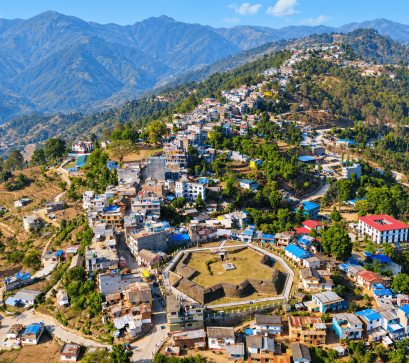
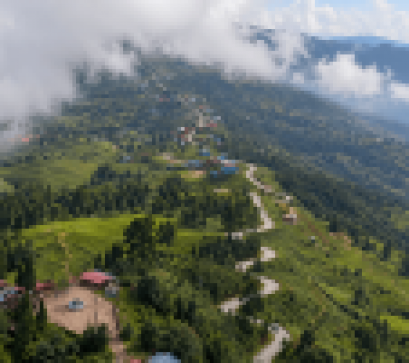
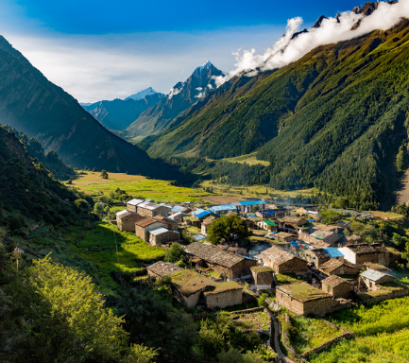
The lapsi tree itself is most visible in the mid-hill regions – the slopes of Kavre, Sindhupalchok, Dhading, and Lamjung districts see significant cultivation, and the trees are easy to spot in autumn when the yellow-green fruit hangs heavy from the branches. The harvest season runs roughly from October through November, when fresh lapsi also briefly appears in local markets and is eaten raw – a startlingly sour experience that gives immediate context for how much work the candy-makers do to make it approachable.
• Ratna Park Paun Bhandar, New Road, Kathmandu – The most storied name in titaura, now with over thirty varieties. Try the jhol titaura and the lapsi choila titaura (a newer favourite).
• Local paun bhandar shops: Found at almost every school gate, bazaar, and bus park across Nepal. Ask for titaura; the vendor will know exactly what you mean.
• Kathmandu market stalls: Fresh lapsi appears at Ason, Kalimati, and neighbourhood vegetable markets in October and November. Try one raw if you can find it.
• Packaged titaura: Available at most supermarkets in Kathmandu and Pokhara. Useful for carrying home; choose dry varieties for travel.
A note for first-timers: Start with guliyo patta (sweet) or chini candy before moving to the piro (spicy) varieties. The heat in genuine lapsi piro is not decorative.
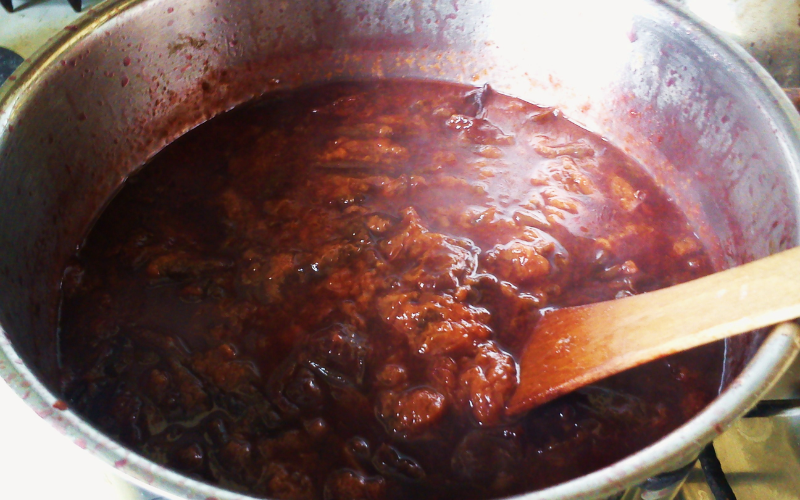
Lapsi's reach extends well beyond titaura. The same fruit that ends up in candy form also produces an exceptional pickle (lapsi ko achar), widely regarded as one of the finest in Nepali cuisine – the sourness of the fruit marrying with mustard oil, fenugreek, and chilli to create something that transforms a simple dal-bhat into a meal. Lapsi kheer, lapsi jam, and lapsi-based chutneys also exist, and the fruit's juice is used in some traditional Newari preparations.
The tree is valued beyond its fruit too. Its timber is used in construction and woodwork across the hills, and it plays a role in traditional agroforestry systems as a boundary tree – planted along terrace edges where its canopy provides shade and its falling leaves enrich the soil.
What is striking about lapsi is how thoroughly it has embedded itself in Nepali life across all of these registers – from the agricultural to the culinary to the deeply personal. It is a fruit that connects the hillside farmer to the Kathmandu schoolchild to the Nepali in New York who gets someone to bring them five packets when they visit from home. The medium changes. The sourness – and what it means – does not.
Picture Credits: Wikimedia Commons


.png)