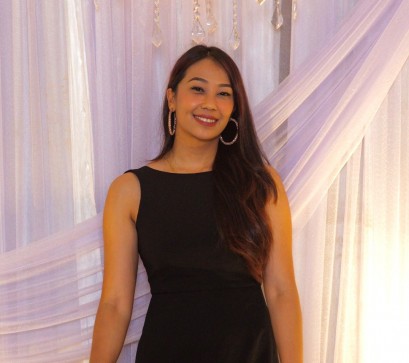
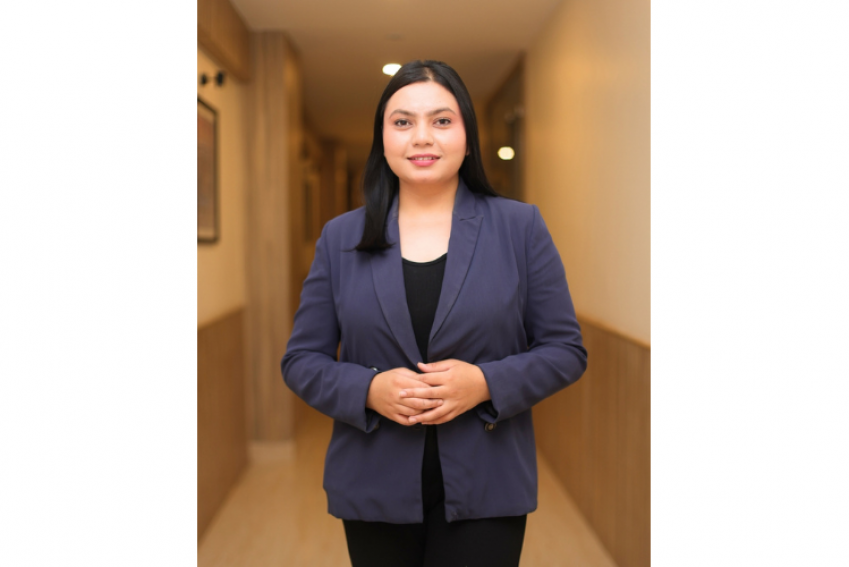
For Sashi Khatiwada, success in hospitality marketing has been a journey of curiosity, creativity, and continuous self-discovery. Without a predetermined career path, she found her place in the industry through a passion for ideas, storytelling, and meaningful connections. Today, as the PR & Marketing Manager of Royal Tulip Kathmandu, she is helping shape the identity and market presence of one of Nepal's largest five-star hotels. From overcoming her own introverted nature to leading strategic brand-building initiatives, Sashi's journey reflects resilience, adaptability, and a commitment to lifelong learning. In this interview, she shares insights into her career, the evolving hospitality landscape, and the experiences that continue to inspire her professional growth.
What inspired you to pursue a career in hospitality? Who has been your biggest inspiration in your career?
To be honest, hospitality was not an industry I knew much about when I first entered it. In many ways, I started from the ground up, learning everything from scratch. What immediately fascinated me was the pace and unpredictability of the industry. No two days are ever the same. Guest expectations evolve constantly, trends change quickly, and you need to be ready to think on your feet and respond to situations at any moment.
Rather than finding that intimidating, I found it exciting. The more I learned, the more curious I became. I discovered how rewarding it was to take an idea, develop it into a campaign or guest experience, and then watch people connect with it. Seeing concepts come to life and create a positive impact remains one of the most fulfilling aspects of my work.
I have also been fortunate to work with respected brands and interact with industry leaders, business professionals, and inspiring individuals from diverse backgrounds. These experiences have broadened my perspective and accelerated my personal and professional growth in ways I never anticipated.
As for inspiration, it comes from the people I have worked alongside throughout my journey—mentors, colleagues, and leaders who challenged me to think bigger and push beyond my limits. Hospitality is often viewed as a glamorous industry, but behind that glamour lies immense hard work, resilience, and continuous learning. It is this combination of challenge and opportunity that continues to motivate me to grow, evolve, and stay ahead in an ever-changing marketing landscape.
How would you describe your current role and key responsibilities as PR & Marketing Manager?
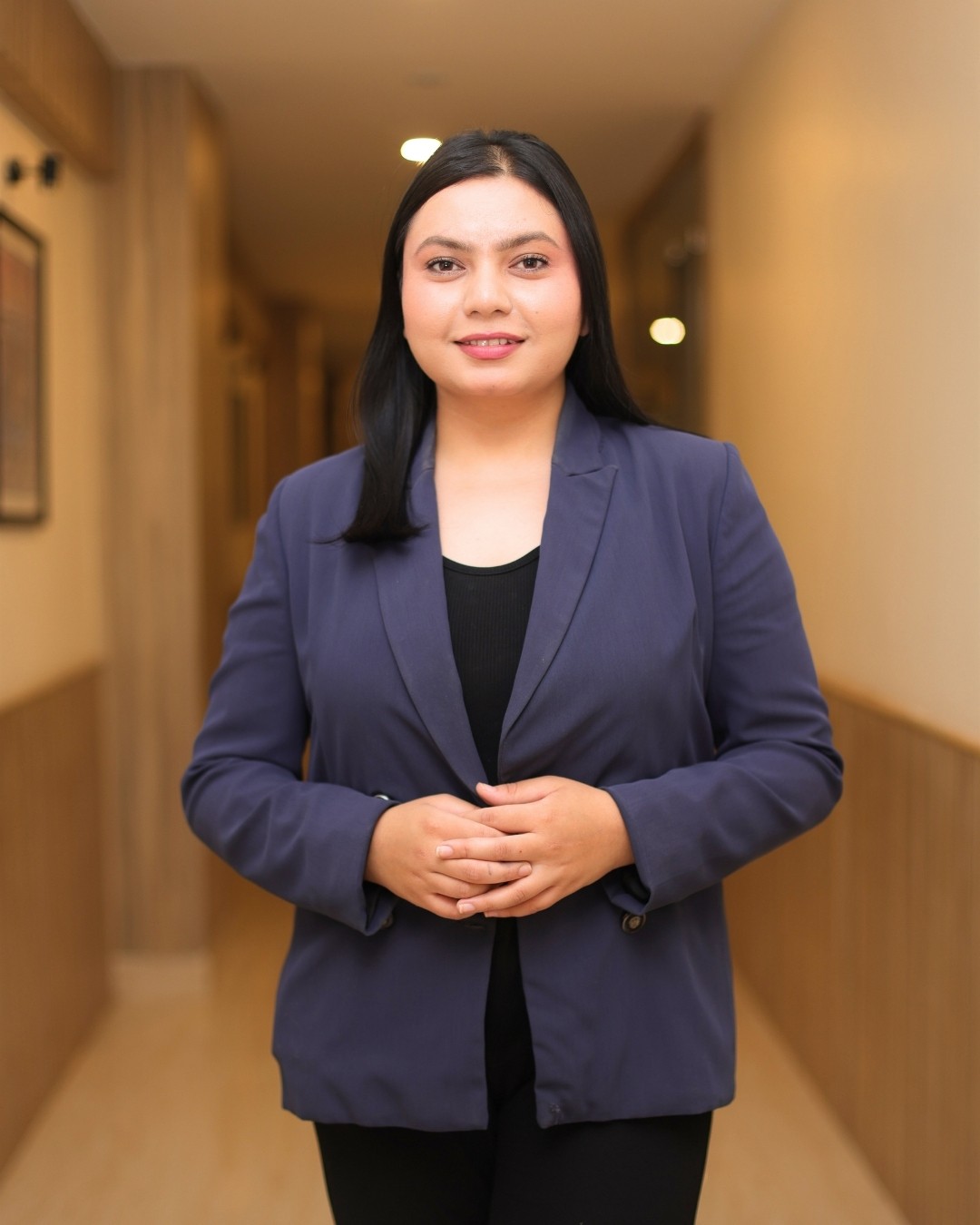
In my current role as PR & Marketing Manager at Royal Tulip Kathmandu, my responsibilities are both strategic and foundational, particularly as we are in the pre-opening phase of the hotel. A significant part of my work focuses on building the brand from the ground up.
One of my key responsibilities is shaping and aligning the brand identity with Royal Tulip’s global standards while ensuring it reflects the essence of Nepal and resonates with the local market. This involves defining how the brand is positioned, how it communicates, and how it is perceived across all platforms.
I also lead the development of our marketing and communication framework, including social media strategy, digital presence, content direction, and brand storytelling. At this stage, establishing consistency, a distinct brand voice, and a strong visual identity is essential to creating a lasting impression.
Alongside branding, reputation building is a major focus. This includes planning how the hotel is introduced to the market, managing first impressions, and ensuring every communication reflects credibility, trust, and the luxury positioning of the property.
My role also involves close collaboration with sales, operations, and revenue teams to ensure our external messaging is aligned with internal objectives. What makes this phase particularly meaningful is that it is not just about executing campaigns—it is about laying the foundation for a brand that will define how the hotel is experienced and remembered for years to come.
What marketing strategies at Royal Tulip Kathmandu have proven most effective in reaching your target audience?
As a new entrant in Nepal’s highly competitive luxury hospitality market, our marketing strategy has focused on clear positioning and effectively communicating our unique strengths.
One of our key differentiators is the scale and versatility of the property. With Nepal’s largest room inventory of 308 rooms and one of the country’s most extensive five-star convention facilities—including the 11,000-square-foot Sagarmatha Hall and over 30,000 square feet of event and meeting space across 10 venues—we have positioned Royal Tulip Kathmandu as a premier destination for MICE events, conferences, corporate gatherings, and celebrations.
At the same time, we have embraced an experience-led, digital-first approach to storytelling. Rather than simply showcasing facilities, we focus on highlighting the experiences and opportunities the hotel enables. Hosting significant events early in our journey has helped establish visibility and credibility, while consistent social media engagement has strengthened brand recognition.
Most importantly, the guidance and expertise of experienced hospitality leaders within the organisation have played a crucial role in shaping our strategy and helping us establish a strong market presence within a short period of time.
What role does Nepal’s market play in shaping your overall marketing strategy?
Nepal’s market plays a vital role in shaping our overall marketing strategy, as it represents both a growing domestic hospitality sector and an increasingly attractive international tourism destination.
For us, it is essential to strike the right balance between global luxury brand standards and local cultural relevance. Our communication must resonate equally with domestic guests and international travellers while remaining authentic to the destination.
Nepal’s unique tourism landscape, seasonal travel patterns, cultural calendar, and rising demand for premium hospitality experiences all influence how we position the brand and design our campaigns. We see the market not merely as an audience but as a dynamic ecosystem that shapes the experiences we create, the stories we tell, and the way we position Royal Tulip Kathmandu as a leading luxury destination in the region.
How do you balance creativity with data-driven decision-making in campaigns?
For me, creativity and data are not opposing forces—they are most effective when they work together. Creativity enables us to tell compelling stories that capture attention and create emotional connections, particularly in hospitality, where experiences matter as much as visibility.
At the same time, data provides direction and accountability. It helps us understand audience behaviour, engagement patterns, and campaign performance, ensuring that our ideas are grounded in insights rather than assumptions.
I often use data to identify what is working and where opportunities exist, then apply those insights to shape more effective and relevant creative output. This balance allows us to remain innovative while ensuring that every campaign is aligned with business objectives and delivers measurable results.
What are some of the biggest challenges you face as a marketing professional?
I view marketing less as a profession filled with challenges and more as one defined by continuous learning and adaptation. Hospitality, in particular, is highly dynamic. Priorities can shift quickly, plans evolve, and decisions often need to be made in real time.
One of the biggest demands of the role is maintaining quality and consistency despite limited planning time or last-minute changes. High-profile guests, large-scale events, and fast-moving campaigns require precision, agility, and attention to detail.
Rather than seeing these situations as obstacles, I see them as opportunities to think beyond conventional approaches, sharpen my decision-making skills, and remain adaptable while maintaining a clear strategic direction. The fast-paced nature of the industry is what makes it both challenging and rewarding.
What advice would you give to young women aspiring to enter the marketing field?
My advice applies equally to young women and men aspiring to build a career in marketing: do not wait for the perfect opportunity, degree, or moment to begin. Start wherever you can, because every experience teaches you something valuable.
Even the smallest roles can help build the most important foundations in marketing—understanding people, communication, and human behaviour. Marketing is a dynamic and constantly evolving field, and growth comes through exposure, curiosity, and continuous learning.
Every opportunity, whether large or small, contributes to your ability to think creatively, adapt quickly, and expand your potential beyond what you initially imagined.
Most importantly, do not give up too soon. Meaningful growth takes time. Challenges are not setbacks; they are experiences that shape your perspective and strengthen your capabilities. When you remain committed to learning and stay connected to what genuinely interests you, your path begins to reveal itself, and your career naturally grows around your passion.
This version is publication-ready for a hospitality or business magazine interview, with stronger readability, smoother transitions, and a more polished executive tone.
Also Read

 (1).png)