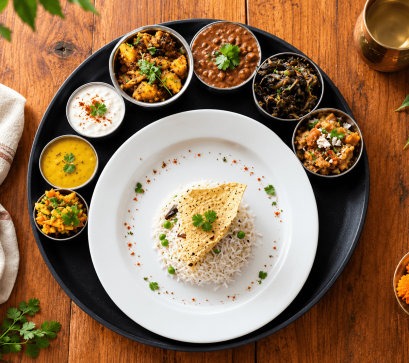

Tomorrow, on Shrawan 15, kitchens across Nepal will fill with the smell of milk slowly thickening over rice. It is Kheer Khane Din, the day set aside for eating kheer, and it is one of the few Nepali food traditions that needs no festival lights or public holiday to matter. It simply asks a family to sit down together and eat.
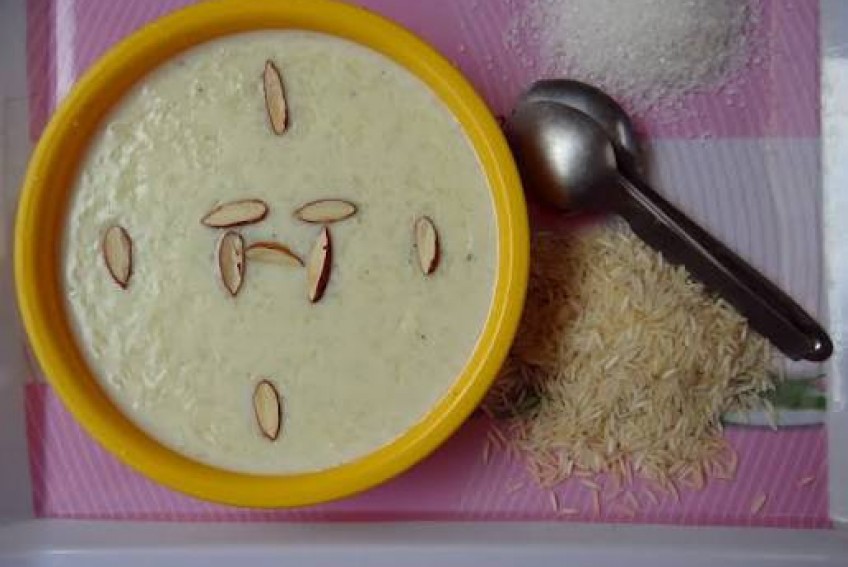
Kheer itself, rice simmered in milk with sugar, raisins, cashews, and sometimes coconut, is not unique to this one day. It shows up at weddings, naming ceremonies, pujas, and even funerals, which says something about how central it is to Nepali life. But Shrawan 15 gives it its own spotlight, separate from any single occasion, and that separation is part of what makes the day interesting. It is one of the rare food traditions in Nepal that exists purely to be enjoyed, without a deity to appease or a life event to mark.
The timing is not random. Shrawan falls deep in the monsoon, right after the exhausting work of paddy transplantation winds down. Farmers who spent Asar knee deep in mud get a proper reward once the fields are planted. Cattle also produce more milk this time of year, since the rains bring fresh fodder, which is part of why a milk-based sweet became the natural way to mark the moment. It fits into a wider pattern of mid-month food days in the Nepali calendar, including curd and beaten rice on Asar 15, roasted corn on Bhadau 15, ghee and molasses on Poush 15, and malpuwa on Magh 15. Each of these days ties a specific dish to a specific point in the agricultural year, and kheer's turn happens to land in the thick of monsoon.
There is a religious layer too. In Sanskrit, kheer is known as payasa, and it appears in Vedic texts as one of the purest sattvic foods, offered during worship and shraddha rituals for ancestors. Religious scholars in Nepal often point to this as the deeper root of the day, even though Kheer Khane Din itself carries more of a cultural than strictly religious weight. It is telling that Nepal's National Dairy Development Board has taken to marking Shrawan 15 as Kheer Diwas, using the day to promote dairy farming and nutrition alongside the older tradition. The overlap of an old agrarian custom and a modern institutional campaign is part of what has kept the day visible even as other mid-month food traditions have faded from everyday memory.
What makes Kheer Khane Din distinct from other kheer occasions is the informality of it. There is no fixed recipe, no single family method that counts as correct. Some households use basmati rice for its aroma, others use whatever local variety is on hand. Some add cardamom and saffron, others keep it plain with just milk, rice, and sugar. That flexibility is part of the appeal, since the day rewards whatever version of kheer a household already makes well, rather than asking for something elaborate.
For travellers in Nepal around this time, Kheer Khane Din is worth noticing. Homestays and family run guesthouses, especially outside the cities, are likely to have a pot of kheer on the stove, and being offered a bowl is as much an invitation into a household as it is a taste of the season. Few dishes in Nepal manage to be everyday comfort food and sacred offering at once. Kheer, and the day built around it, does both without much fuss, which might be exactly why it has lasted this long.



 (1).png)