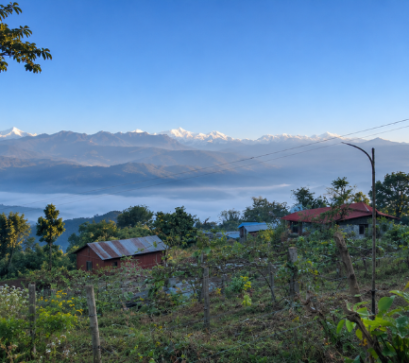
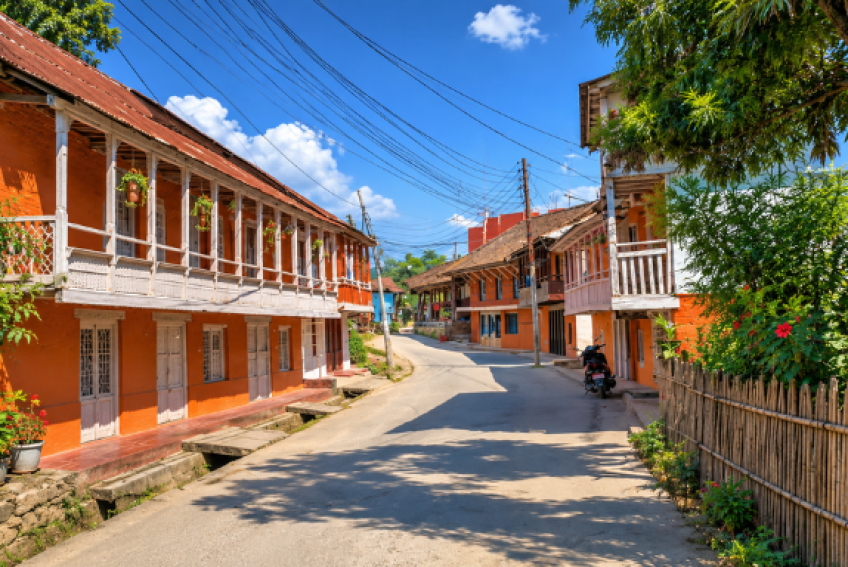
Rows of orange-painted houses, traditional wooden windows and restored public rest houses give Kopche a distinctive identity. Located in Ward No. 5 of Dhankuta Municipality in Koshi Province, this historic settlement has reinvented itself as the Orange City through community-led heritage conservation and sustainable tourism.
Before modern road networks reached Dhankuta, Kopche served as an important commercial centre for eastern Nepal. For more than two centuries, traders and residents contributed to its flourishing marketplace.
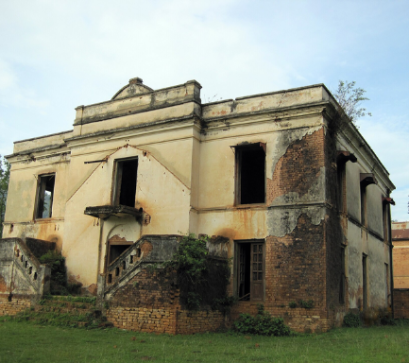
However, road expansion during the late 1980s gradually redirected commercial activities elsewhere. The relocation of government offices further contributed to its decline. By the mid-1990s, businesses had closed, families had migrated and many traditional buildings stood vacant.
A turning point came in May 2021, when residents initiated the Kopche Revival Campaign to restore the settlement's cultural identity and economic activity.
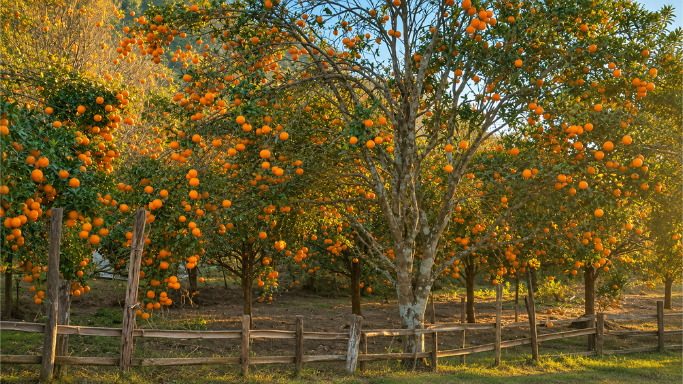
Residents of Mathillo Kopche (Upper Kopche) and Tallo Kopche (Lower Kopche) adopted orange as their neighbourhood's signature colour, celebrating Dhankuta’s longstanding association with orange cultivation.
The transformation extended beyond painting houses. Residents restored traditional buildings, improved pathways, introduced flower plantations and encouraged local businesses to reopen.
The initiative received support from Dhankuta Municipality, Nepal Tourism Board, ICIMOD, Community Homestay Network and other development organisations, strengthening its approach to responsible tourism.
Kopche’s streets reflect its Newari architectural heritage through traditional houses, carved wooden windows, terracotta roof tiles and communal rest houses known as pati and pauwa.
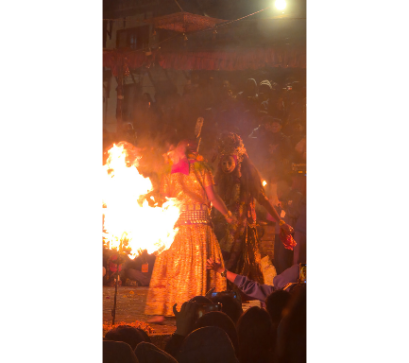
The settlement also celebrates the cultural traditions of the indigenous Aathpahariya community. The Kopche Festival showcases traditional dances, local cuisine, indigenous artwork, cultural costumes and competitions involving duna tapari, traditional plates and bowls made from leaves.
Visitors can explore the orange-painted streets on foot, photograph historic buildings, experience local hospitality and discover regional cuisine.
Community-based accommodation and guided heritage walks provide opportunities to learn about Dhankuta’s history and everyday life. Travellers visiting during the winter citrus season can also enjoy locally grown oranges.
Kopche can be incorporated into a wider eastern Nepal itinerary alongside Dhankuta Bazaar and Bhedetar.
Kopche offers travellers a different perspective on eastern Nepal, where traditional architecture, local culture and everyday community life remain closely connected. Its colourful streets, restored rest houses and family-run businesses invite visitors to explore the settlement at a slower pace.
Once a thriving marketplace, Kopche is gradually finding its place on Nepal’s tourism map. Its transformation reflects the determination of residents to keep their heritage alive while welcoming a new generation of travellers.
Five Must Visit Places In Jumla District