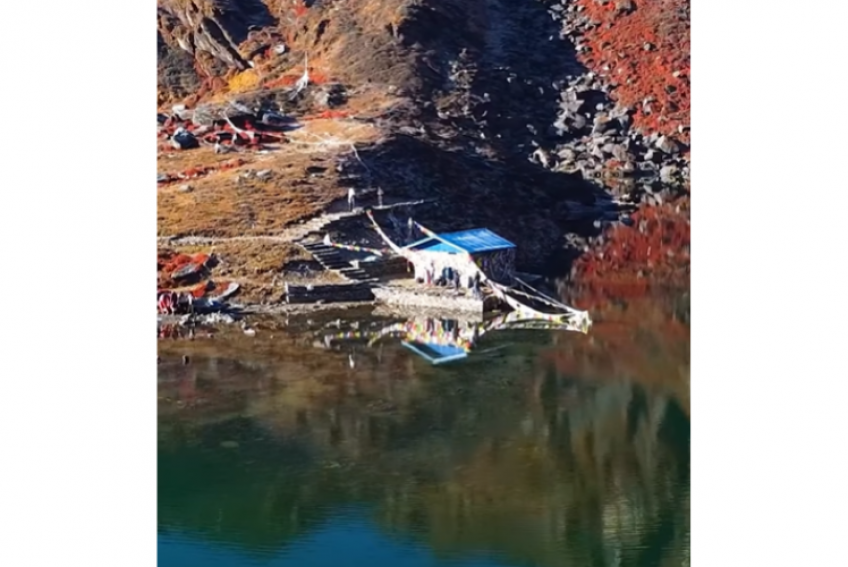
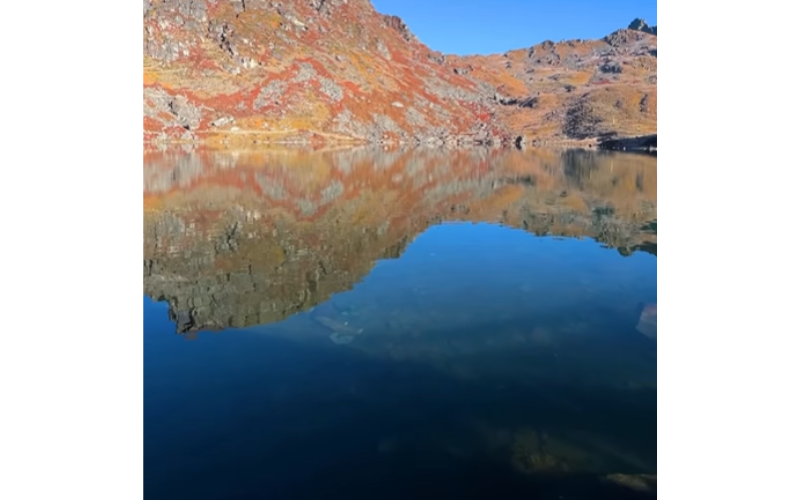
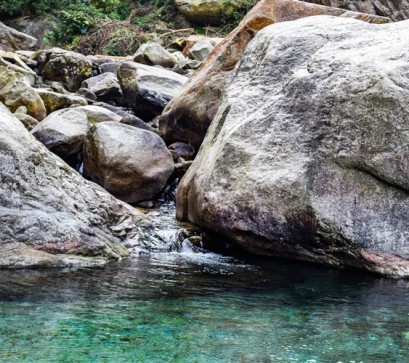
Tucked away in the remote northern reaches of Sindhupalchowk District, close to Nepal’s borderlands with Tibet, the Bhairabkunda Trek remains one of the country’s most spiritually significant yet least explored Himalayan journeys. Centred on the sacred alpine lake of Bhairabkunda (Bhairav Kunda), this trek offers a rare convergence of pilgrimage tradition, raw mountain landscapes and enduring cultural authenticity.
Far removed from Nepal’s mainstream trekking circuits, Bhairabkunda appeals to travellers seeking solitude, faith-inspired travel and a deeper connection with the high Himalaya where belief, landscape and daily life remain closely intertwined.
Spiritual Significance of Bhairabkunda
Bhairabkunda is a revered high-altitude lake associated with Lord Bhairab, a powerful manifestation of Lord Shiva. For generations, the lake has drawn pilgrims from Sindhupalchowk and neighbouring regions who believe that bathing in its icy waters purifies sins and brings spiritual merit.
The lake holds particular importance during Janai Purnima (August), when devotees undertake a demanding pilgrimage to perform ritual baths and prayers. During this period, the otherwise quiet landscape briefly comes alive with religious activity. Outside the pilgrimage season, Bhairabkunda remains serene and undisturbed, preserving its deeply sacred atmosphere.
The Trekking Route and Landscape
The Bhairabkunda Trek typically follows ancient foot trails once used for seasonal movement and local trade. Access is commonly gained via the Araniko Highway corridor, with trekking routes beginning from villages such as Jalbire, Chokar Mokar, Bagam or nearby settlements, depending on the chosen itinerary.
As the trail ascends, the landscape transforms dramatically: from terraced hillsides and forested slopes to open alpine meadows and rugged high-altitude terrain. Trekkers can expect:
- Dense forests of rhododendron, pine and oak
- Traditional mountain villages influenced by Tamang and Sherpa cultures
- High grazing pastures (kharkas) used by local herders
- Expansive views of Himalayan ridgelines near the northern frontier
Accommodation along the route is minimal, often involving camping or basic community lodges, making the trek best suited for travellers comfortable with limited facilities and off-grid travel.
Difficulty and Best Time to Trek
The Bhairabkunda Trek is considered moderately challenging, largely due to its altitude, remoteness and lack of developed infrastructure rather than technical difficulty. Proper acclimatisation, local guidance and preparation are essential.
Best seasons to visit:
- Spring (April-May): Pleasant temperatures and blooming forests
- Late summer (August): Pilgrimage season during Janai Purnima
-Autumn (September-October): Clear skies and stable weather
Winter trekking is generally not recommended due to heavy snowfall, cold temperatures and limited accessibility.
Culture, Faith and Local Life
What truly distinguishes Bhairabkunda from more commercial trekking destinations is its close integration with living religious practice and local tradition. The route is shaped less by tourism and more by faith, pastoral life and seasonal rhythms of mountain communities.
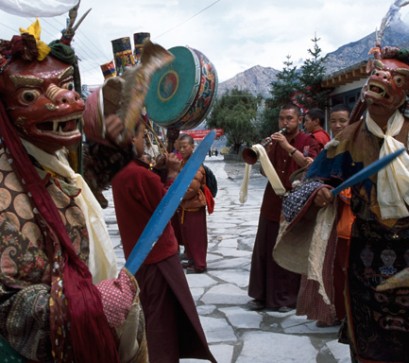
Travellers may observe local rituals, herding lifestyles and the enduring cultural ties that connect highland settlements, experiences that remain rare on Nepal’s well-trodden trekking routes.
Responsible Travel in a Sacred Landscape
As Bhairabkunda is both environmentally fragile and spiritually revered, responsible travel is essential. Visitors are encouraged to:
- Trek with licensed local guides
- Respect religious customs and sacred sites
- Carry out all non-biodegradable waste
- Support local communities through local services and supplies
For travellers seeking a meaningful Himalayan experience beyond guidebook routes, Bhairabkunda in Sindhupalchowk offers a journey rooted in faith, silence and untamed mountain beauty: one that resonates long after the trail ends.
For more trekking destinations and curated itineraries, stay updated with Nepal Traveller.
Also Read

.jpg)
.jpg)