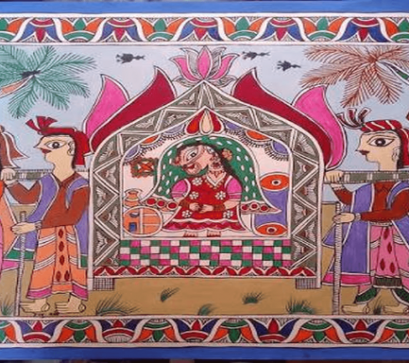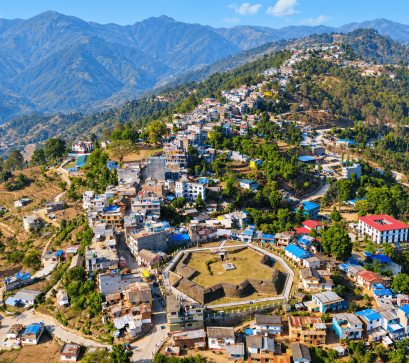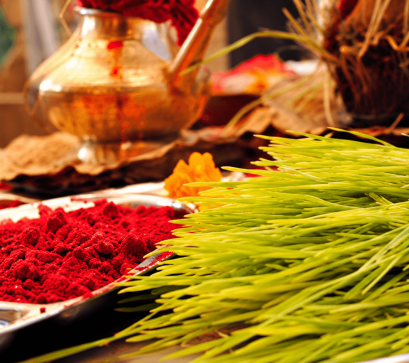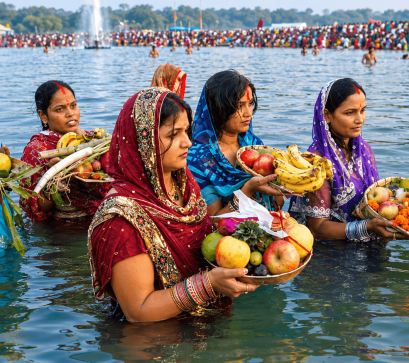
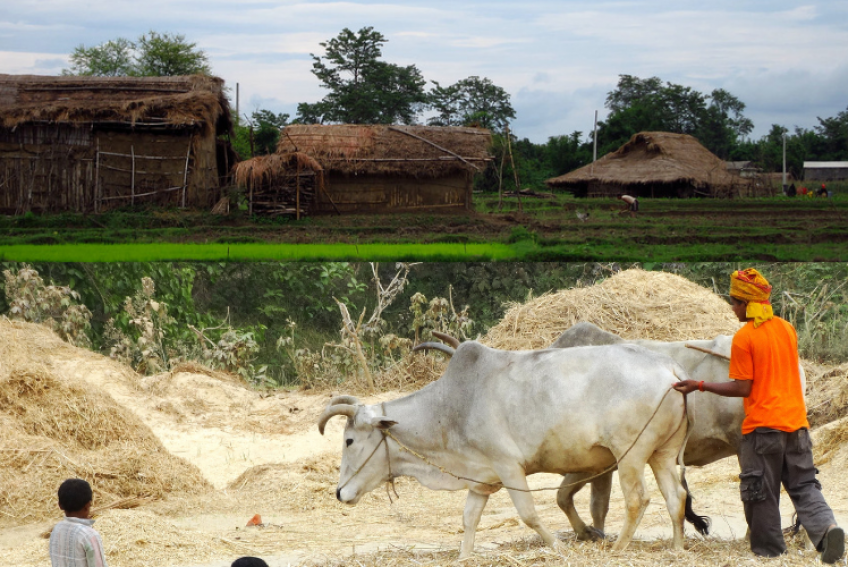
Stretching along Nepal’s southern plains, the Terai region is far more than the country’s agricultural heartland. It is a vibrant cultural corridor where indigenous communities, Madhesi castes and diverse languages have coexisted for centuries, shaping a social landscape unlike anywhere else in Nepal. For travellers, understanding this diversity adds depth beyond geography and food.
A Region of Communities, Not a Single Identity
The Terai does not represent a single caste or ethnic group. Instead, it is home to dozens of distinct communities, broadly recorded under indigenous groups and Madhesi caste identities in official census data.
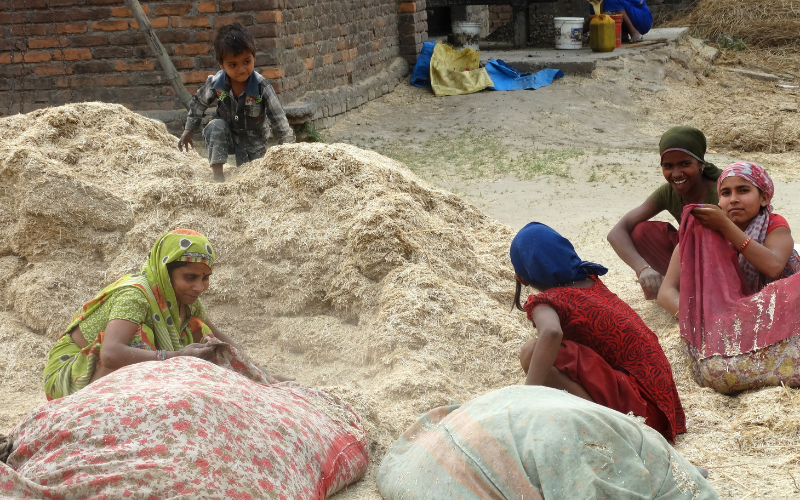
Among the indigenous peoples of the Terai, the Tharu community stands out as the oldest and largest, with a deep historical connection to the plains’ forests and rivers. Other long-established indigenous groups include Dhimal, Rajbanshi, Satar (Santhal), Meche, Gangai, Danuwar, Majhi and Darai, many of whom maintain unique cultural practices, cuisines and languages tied closely to local ecology.
Alongside these communities are the Madhesi caste groups, whose presence in the Terai dates back generations. These include Yadav, Kurmi, Koiri, Kushwaha, Teli, Kayastha, Baniya, Rajput and Terai Brahmin communities, as well as several Terai Dalit groups. Muslim communities, primarily concentrated in central and eastern Terai towns, also form an important part of the region’s social fabric.
Rather than fixed numbers, official records identify over 100 caste and ethnic categories nationwide, with a substantial concentration represented in the Terai alone.
Linguistic Diversity of the Plains
The Terai is also Nepal’s most linguistically rich region. According to the 2021 National Census, Nepal records 124 recognised mother tongues, many of which are spoken primarily or exclusively in the Terai.
The most widely spoken languages of the plains include Maithili, Bhojpuri, Bajjika and Awadhi, all belonging to the Indo-Aryan language family. Various Tharu languages, differing by region, are spoken across western, central and eastern Terai. Urdu is used within Muslim communities, while Rajbanshi, Tajpuriya, Angika, Gangai and Dhimal appear in specific districts.
Although Nepali is widely understood, daily life in Terai towns and villages often unfolds in local languages, offering travellers a rare opportunity to experience Nepal beyond its hill-centric narratives.
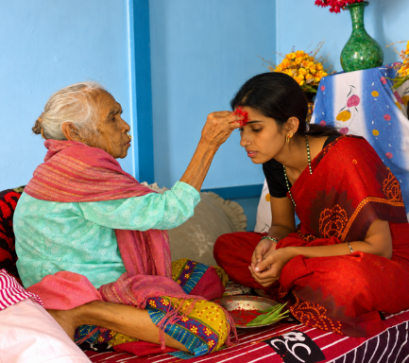
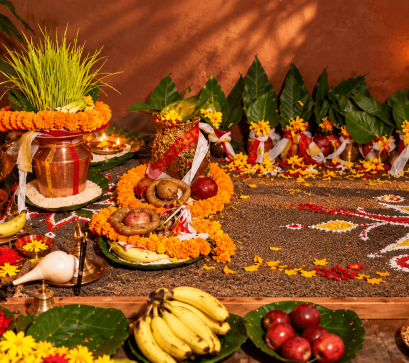
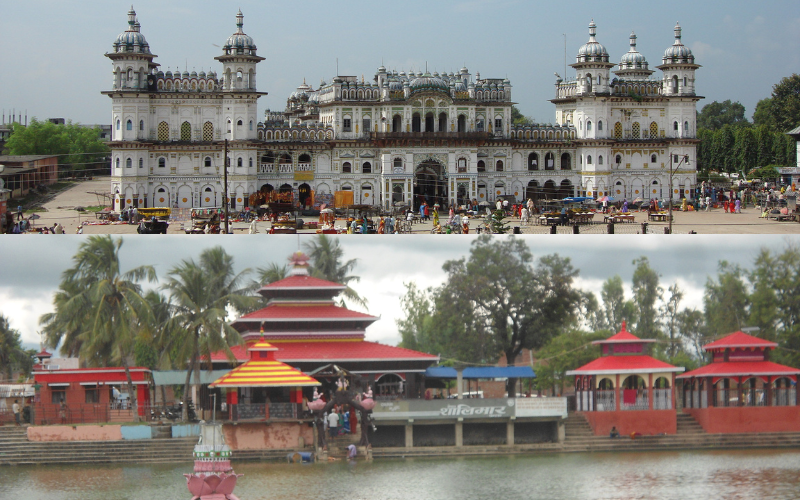
For visitors exploring cities such as Janakpur, Birgunj, Biratnagar, Nepalgunj and Lumbini, the Terai’s diversity is visible in everyday life; from festivals and dress to street food, markets and rituals. Understanding the region’s castes and languages helps travellers appreciate why the Terai feels culturally distinct from the hills and mountains, despite being firmly Nepali.
The Terai is not merely a geographical belt; it is a living cultural mosaic, where history, migration, language and identity intersect, making it one of Nepal’s most fascinating regions to explore.
PC: Wikimedia Commons, Flickr
Also Read