For much of its modern history, Nepal was not just geographically remote. It was a country where getting from one place to another could feel like an adventure in itself. In the late 1990s and early 2000s, travel was shaped by rugged landscapes, limited infrastructure, and the kind of journeys that required patience, stamina, and sometimes a good sense of humour.
This Thursday Throwback looks back at how transportation in Nepal has changed, from long, winding road trips to a future of tunnels, expressways, and electric mobility.
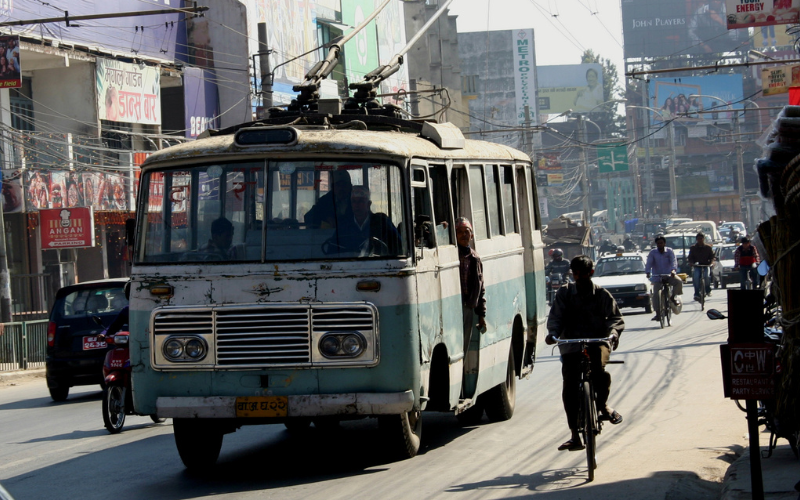
Roads: The Era of Slow Journeys
In the late 1990s, Nepal’s road network was far smaller and far less predictable than it is today.
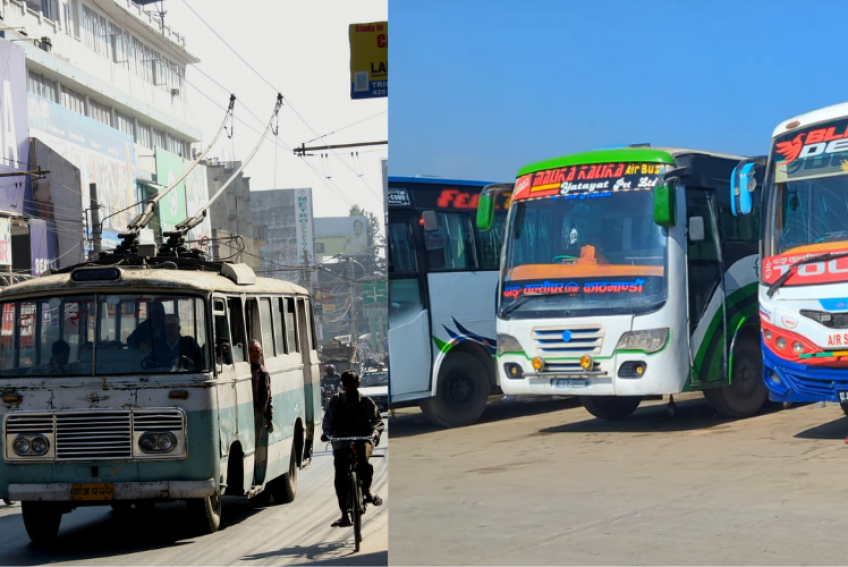
Long-distance bus rides were a true test of endurance: crowded seats, frequent stops, and travel times that could stretch well beyond a full day.
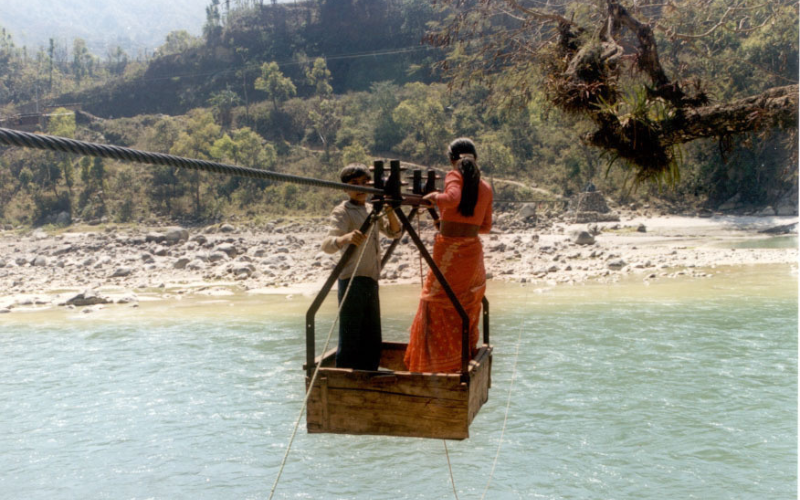
Air Travel: A Lifeline in the Sky
Back then, almost all international air travel went through Tribhuvan International Airport, Nepal’s only global gateway at the time.
Domestic flights were equally vital, especially for mountain regions.
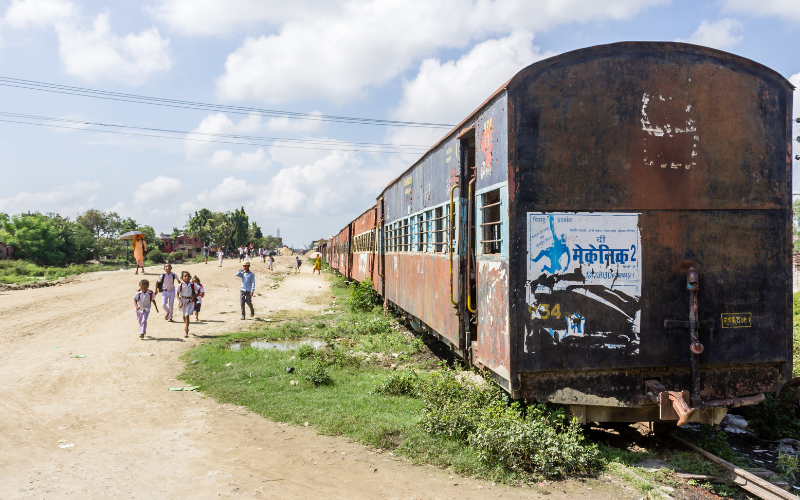
Railways: More Memory Than Network
Rail transport in Nepal was, for many years, more symbolic than practical.
The narrow-gauge Janakpur Railway once connected Janakpur to Jayanagar in India, but it was slow, outdated, and frequently paused. Beyond this stretch, railways were barely part of everyday life.
Traditional Travel Still Ruled
For much of the country, transportation remained wonderfully traditional.
Porters, mule caravans, and foot trails carried goods through the hills. In the Kathmandu Valley, cycle rickshaws and tempos buzzed through the streets. In parts of the Terai, animal-drawn carts were still a common sight.
For many Nepalis, travel often began with the simplest mode of all: walking.
Transportation in Nepal Today: A New Chapter
Highways, Tunnels, and Faster Connections
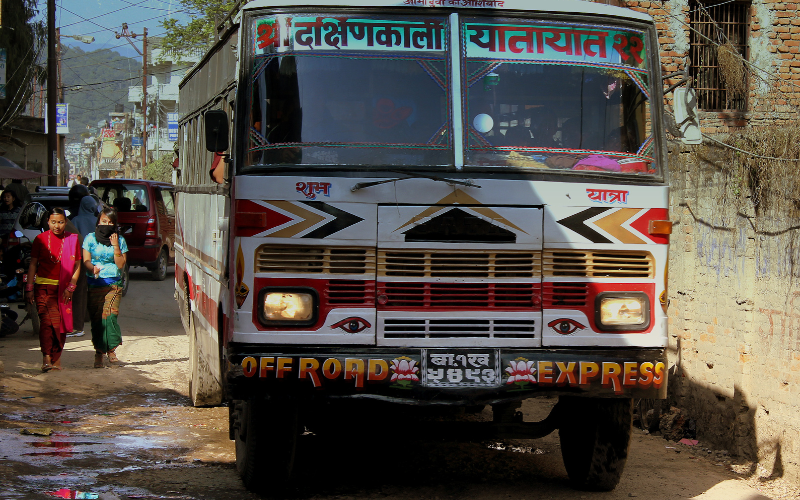
Fast forward to the 2020s, and the difference is striking.
Blacktopped roads now reach areas that once required days of trekking. Challenges remain, but the map of Nepal feels far more connected than it once did.
Aviation Beyond Kathmandu
Nepal now has additional international gateways, including airports in Pokhara and the Lumbini region.
Improved facilities and navigation systems are gradually strengthening air connectivity, and flying is increasingly tied to tourism and regional growth rather than only necessity.
Rail Returns, Slowly but Surely
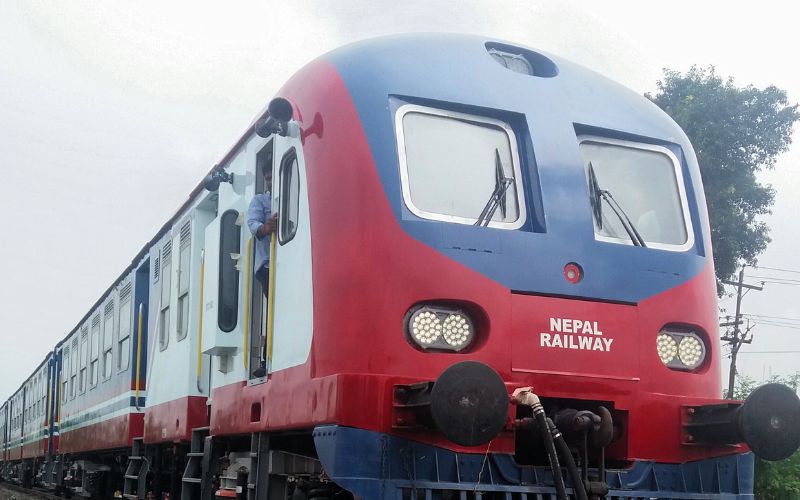
The revival of the Jayanagar-Kurtha railway marks Nepal’s clearest rail progress in decades.
While still limited in reach, it signals that rail is no longer just a forgotten idea, it is part of Nepal’s evolving transport story once again.
Electric Mobility and Urban Change
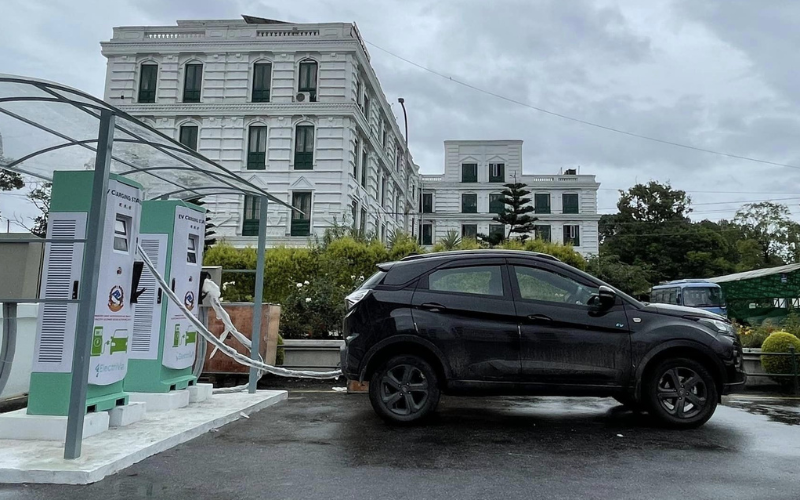
The 2020s have also brought a cleaner, quieter shift.
Electric cars, buses, and two-wheelers are becoming a more familiar sight in Kathmandu. Supported by hydropower-based electricity and policy incentives, Nepal is gradually moving toward greener urban mobility.
Ride-sharing apps, digital ticketing, and smarter traffic systems also reflect a more modern transport culture.
From Trekking Trails to Transport Strategy
In the late 1990s, transportation in Nepal was often about simply getting through; navigating rough roads, long delays, and difficult terrain. Today, it is increasingly about building connections: for trade, tourism, sustainability, and opportunity.
The journey from mule caravans and landslide-prone highways to tunnels, express corridors, and electric mobility captures Nepal’s remarkable transformation.
This Thursday Throwback isn’t just nostalgic, it’s a reminder of how far Nepal has travelled, in every sense of the word.
PC: Wikimedia Commons
Also Read

.jpg)
.jpg)