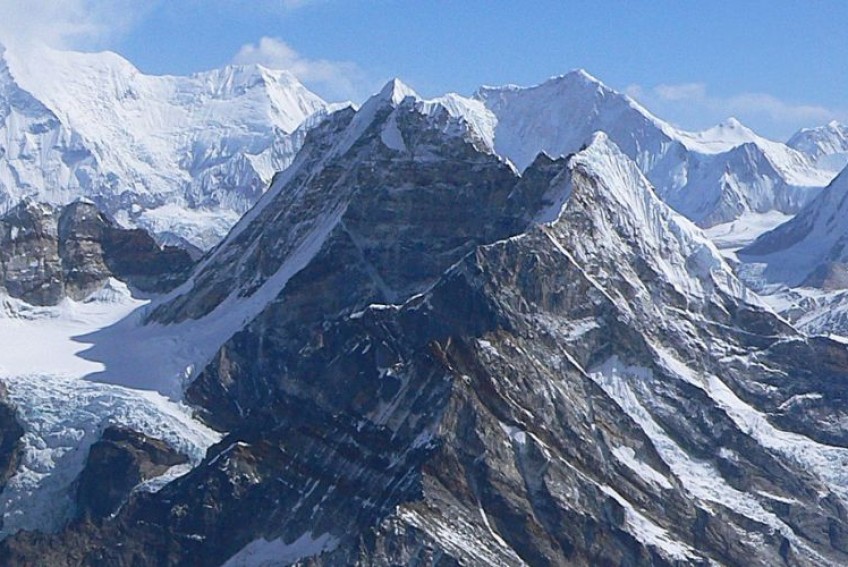
Rising to approximately 6,654 metres in Nepal’s Mahalangur Himal, Peak 41 is an obscure and rarely attempted mountain that represents the raw, exploratory spirit of Himalayan mountaineering. Unlike the well-trodden routes of Everest-region trekking peaks, this numbered summit remains largely outside mainstream climbing circuits.
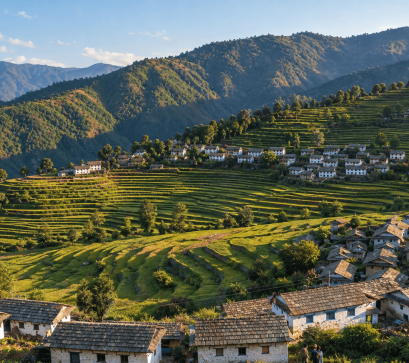
Located in eastern Nepal within Solukhumbu District, Peak 41 lies in a remote section of the greater Everest region, approached through isolated valleys beyond the popular trekking corridors.
Location and Landscape
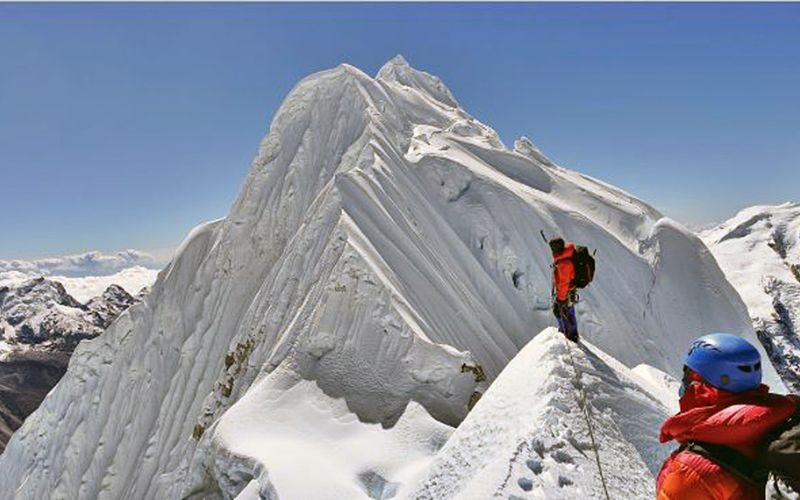
Set within the vast expanse of the Mahalangur Himal, home to some of the world’s highest mountains, Peak 41 is surrounded by glaciated terrain, steep ridgelines, and dramatic vertical relief.
The mountain is typically accessed via the Hinku or Hongu valleys, regions known for their rugged beauty and relative isolation compared to the busier Everest Base Camp trail. The landscape is characterised by expansive glaciers, high passes, and sweeping views of surrounding Himalayan giants.
.jpg)
Climbing History and Exploration
Due to its ambiguous naming and limited documentation, Peak 41 does not have a widely established or well-publicised climbing history. While a small number of international expeditions have attempted and reportedly summited the peak via various routes in the early 2000s and beyond, verified records remain sparse.
This lack of formal documentation only adds to the mountain’s allure, positioning it as a true exploratory objective for experienced alpinists.
Expedition Overview
Technical Challenge
Peak 41 is a technical mountaineering objective, involving steep snow slopes, mixed ice and rock climbing, and glacier navigation. Climbers should be proficient in rope systems, crevasse rescue, and high-altitude expedition strategy.
Best Seasons
These periods offer the most stable weather windows. Monsoon and winter conditions significantly increase objective hazards.
Approach
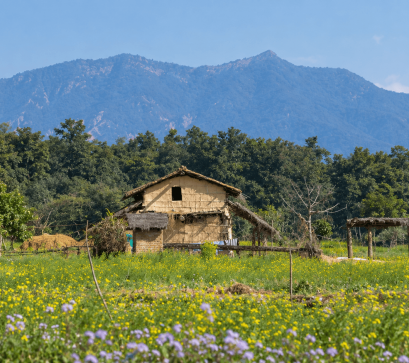
Most expeditions begin with a flight from Kathmandu to Lukla, followed by a multi-day trek through remote alpine valleys to establish base camp. Routes often diverge from the main Everest trekking trails, entering quieter and less-developed terrain.
Why Peak 41 Stands Out
True Expedition Experience
With minimal traffic and limited fixed infrastructure, Peak 41 offers a rare opportunity for self-reliant alpine exploration.
Advanced Skill Requirement
This is not a trekking peak. Climbers require prior experience on technical 6,000-metre mountains and must be comfortable navigating complex alpine terrain.
Isolation in the Everest Region
Despite being within the broader Everest region, Peak 41 remains far removed from commercial climbing routes, offering solitude and unfiltered mountain immersion.
Permits and Regulations
Climbing Peak 41 requires permits issued by the Department of Tourism Nepal, along with liaison officers and adherence to national mountaineering regulations.
Environmental responsibility and proper expedition planning are essential in such remote terrain.
Preparation Essentials
Peak 41 remains one of Nepal’s lesser-known mountaineering challenges, a himalaya that rewards those seeking something beyond established routes. Remote, demanding, and largely undocumented, it represents the enduring frontier of Himalayan exploration.
For seasoned climbers, it offers not just a summit, but a genuine expedition into the wild heart of the Himalaya.
PC: AAC Publications, Wikipedia
Also Read