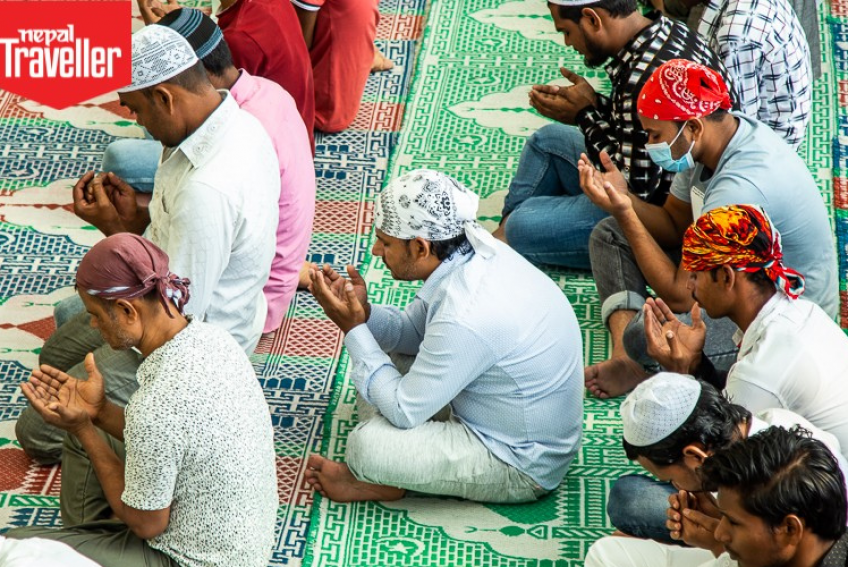
Each year, Ramadan arrives around 10–12 days earlier than the previous year; prompting many to ask why Ramadan moves each year. Unlike the Gregorian calendar, the Islamic calendar follows the lunar cycle, and the month begins with the sighting of the crescent moon. This gentle shift through the seasons means that, over time, Muslims experience fasting in winter’s short days and summer’s long light alike.
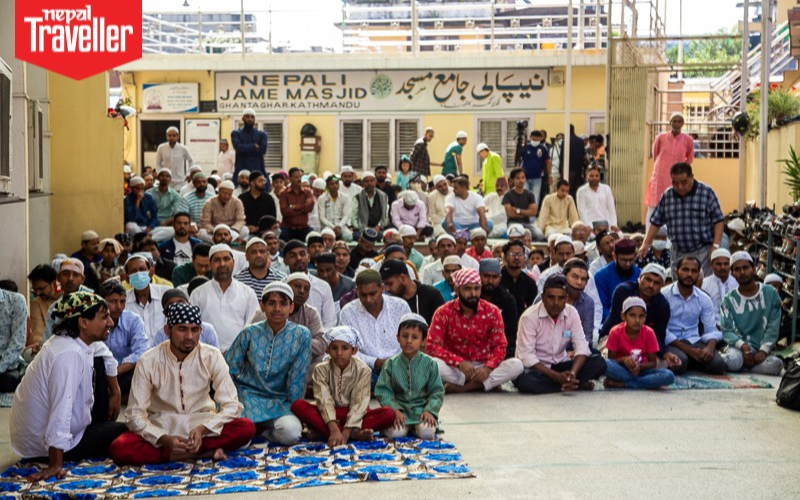
Ramadan marks the month when the Quran was first revealed to the Prophet Muhammad over fourteen centuries ago. It is considered the holiest month in Islam, a sacred period dedicated to reflection, self-discipline, and spiritual renewal. The Quran, regarded as the word of God, makes this revelation a central event in Islamic history, giving Ramadan its profound religious significance.
More Than Abstaining from Food
From true dawn until sunset, practising Muslims fast during Ramadan: abstaining from food, drink, and smoking. In Islamic terms, the fast begins at Fajr (the dawn prayer time) and ends at Maghrib (the sunset prayer time).
Yet the fast is not merely physical. It is also a discipline of character, cultivating patience, humility, and compassion. Avoiding gossip, anger, and excess forms part of the observance.
The day begins with Suhoor, the pre-dawn meal, and ends with Iftar, when the fast is broken at sunset traditionally with dates and water, following the practice of the Prophet Muhammad. Across cultures, from the Middle East to South Asia, Iftar tables reflect local flavours and shared community.
Nights of Devotion
Ramadan’s nights carry a particular serenity. Special congregational prayers known as Taraweeh fill mosques, where, over the course of the month, the entire Quran is often recited. Within the final ten nights lies Laylat al-Qadr: the Night of Power, believed to be “better than a thousand months”, marking the first revelation.
Charity at Its Core
Charity is woven deeply into Ramadan. Many Muslims choose this month to give their annual Zakat (obligatory almsgiving) and increase voluntary acts of generosity (Sadaqah). The emphasis on empathy serves as a reminder of those less fortunate, strengthening social bonds within communities.
A Global Yet Personal Journey
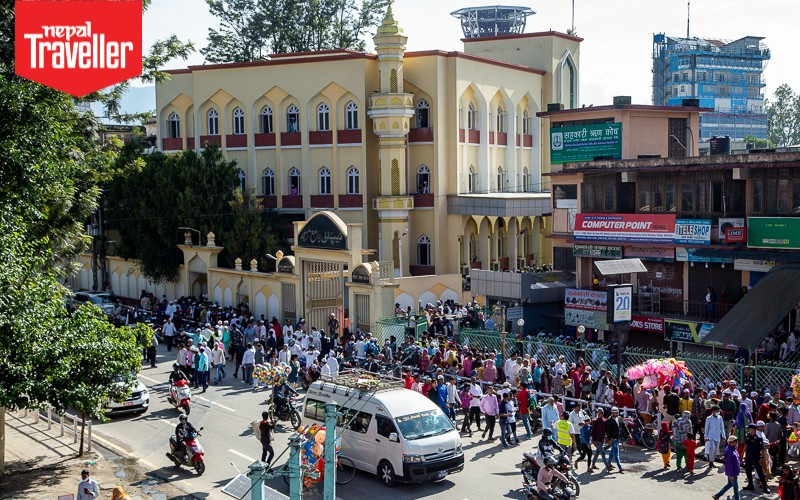
From the illuminated courtyards of Mecca to neighbourhood mosques across Nepal, Ramadan is observed by over a billion Muslims worldwide. In Nepal, Ramadan quietly transforms daily rhythms, with markets growing livelier at dusk and evenings feeling more contemplative.
Ramadan concludes with Eid al-Fitr, a celebration marked by communal prayers, festive meals, and gratitude. Yet its true essence lingers beyond the feast: in renewed faith, strengthened discipline, and a deeper sense of connection.
Friday Fact: Because the Islamic calendar is purely lunar, Ramadan completes a full seasonal cycle roughly every 33 years; explaining why it shifts through winter, spring, summer and autumn over time.
Also Read

.jpg)

.jpg)