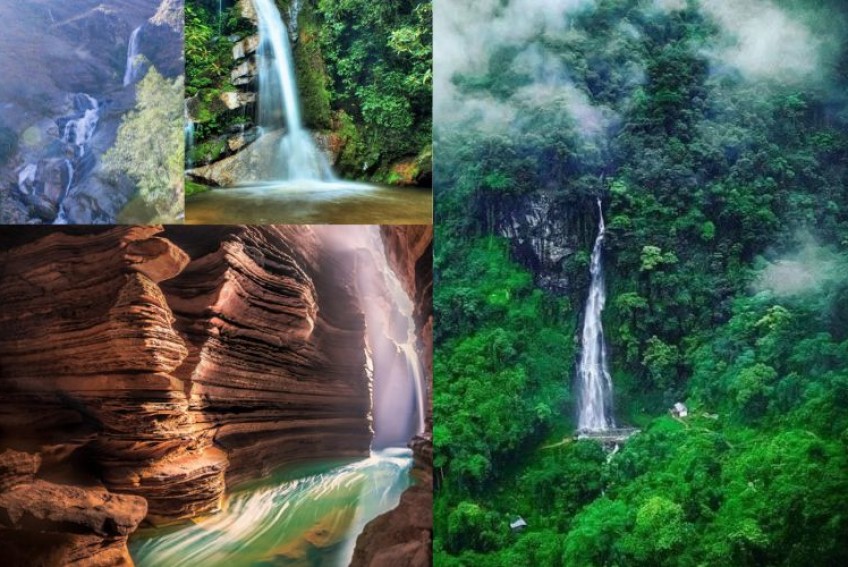
Every year on 22 March, the world observes World Water Day, a reminder that water is not merely a resource, but the lifeblood of ecosystems, cultures, and communities. In Nepal, a country shaped by rivers and monsoon rhythms, water takes on a particularly poetic form: waterfalls.
For this Sunday retreat, we journey through some of Nepal’s most iconic cascades, each offering not just scenic beauty, but a deeper connection to nature’s fragile balance.
1. Davis Falls – The Enigmatic Cascade of Pokhara
Tucked within the serene city of Pokhara, Davis Falls (locally known as Patale Chhango) is unlike any other waterfall in Nepal. Rather than cascading openly, it plunges dramatically into an underground tunnel, disappearing into the earth.
Its mysterious nature is tied to a tragic local legend, adding emotional depth to its already captivating presence. During the monsoon, the roaring water transforms into a powerful spectacle, reminding visitors of water’s untamed force.
2. Rupse Waterfall – A Roadside Wonder on the Kali Gandaki
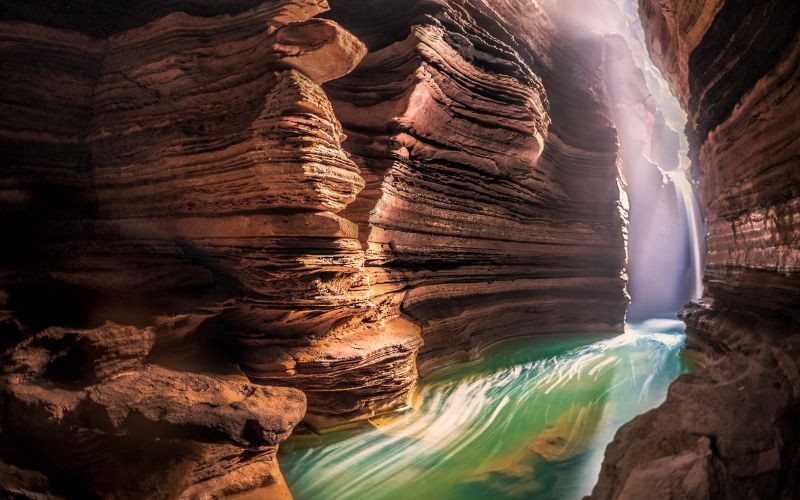
Located along the scenic route between Pokhara and Jomsom, Rupse Waterfall is a favourite among travellers heading towards Mustang.
Cascading dramatically down a steep cliff, it is often estimated to be around 100–150 metres tall. The surrounding cliffs and the deep gorge carved by the Kali Gandaki River create a striking natural backdrop, making it both accessible and awe-inspiring.
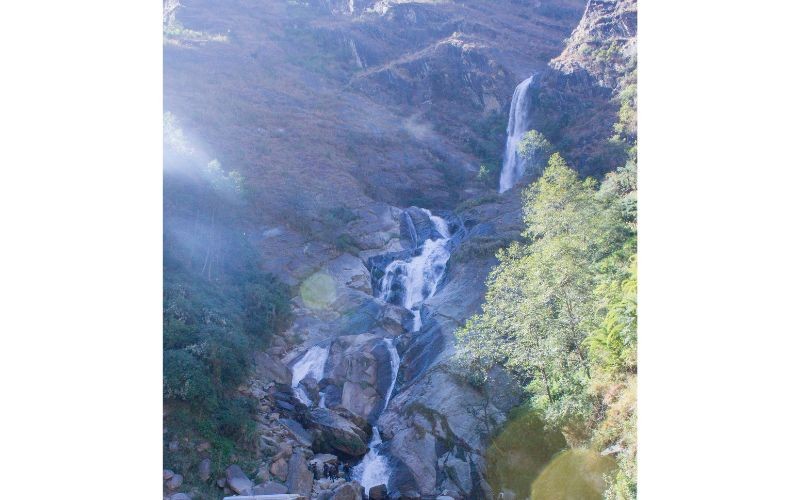
3. Hyatrung Waterfall – Eastern Nepal’s Hidden Giant
Often overlooked, Hyatrung Waterfall in eastern Nepal is among the tallest in the country, with its height commonly cited in the range of 300-365 metres.
Flowing in multiple tiers through dense forests, it offers a tranquil escape far from mainstream tourist trails. The journey through terraced hills and traditional villages adds to its quiet charm, making it ideal for slow travellers seeking authenticity.
4. Sundarijal – A Sacred Flow in Shivapuri
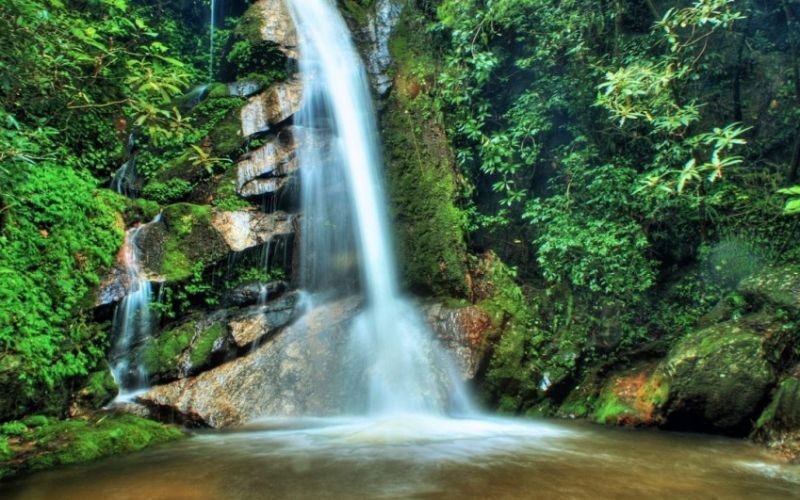
On the northern edge of Kathmandu, Sundarijal within Shivapuri Nagarjun National Park is known for its network of streams, small waterfalls, and lush forest trails.
Long associated with purity and spiritual cleansing, the flowing waters here offer a peaceful retreat for reflection perfectly aligned with the contemplative spirit of World Water Day.
A Suggested Waterfall Itinerary
For those inspired to turn this Sunday retreat into a tangible journey, here is a thoughtfully curated itinerary:
Option 1: Kathmandu Valley (1–2 Days)
Day 1:
Best for: Short escapes, families, and slow travellers
Option 2: Pokhara Waterfall Escape (3–4 Days)
Day 1:
Travel from Kathmandu to Pokhara
Day 2:
Day 3:
Day 4:
Return to Pokhara or extend journey into Mustang
Best for: Scenic road trips and first-time visitors
Option 3: Eastern Nepal Adventure (4–6 Days)
Best for: Offbeat travellers and nature enthusiasts
Water, Tourism, and Responsibility
On World Water Day, Nepal’s waterfalls remind us that while these natural wonders enchant travellers, they also reflect an urgent reality: water systems are increasingly under pressure from climate change, pollution, and unmanaged tourism. The future of Nepal’s tourism lies not only in showcasing such beauty, but in protecting it through responsible travel practices, from minimising waste to respecting fragile ecosystems and supporting conservation efforts. As you stand before the thundering Rupse Waterfall or the mysterious depths of Davis Falls, take a moment to listen; to the water, the land, and the stories they carry because in Nepal, waterfalls are more than destinations; they are enduring reminders that life itself flows from a single, precious source.
PC: Wikimedia Commons
Also Read