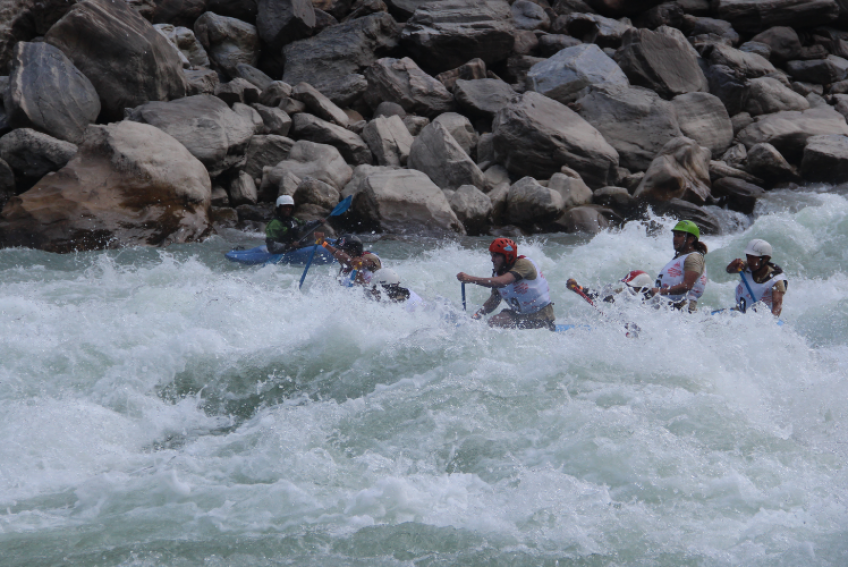
Nepal is a remarkable destination for adventure travellers, offering far more than trekking and mountaineering. With its powerful Himalayan rivers, dramatic scenery, and rich cultural landscapes, Nepal is widely regarded as one of the world’s premier locations for kayaking and white-water rafting.
Why Choose Nepal?
Nepal’s rivers rise in the Himalayas, fed by glacial melt and seasonal monsoon rains. This creates high-gradient rivers with fast currents, steep drops, and exhilarating rapids. The diversity of river conditions means there is something for everyone—from gentle introductory floats to technically demanding white water for experienced paddlers.
Top Rivers for Rafting and Kayaking
1. Trishuli River
The Trishuli is the most accessible rafting river in Nepal, located along the main highway connecting Kathmandu and Pokhara. It offers a mix of moderate rapids and calmer stretches, making it ideal for beginners, families, and those with limited time.
2. Bhote Koshi River
One of the steepest raftable rivers in Nepal, the Bhote Koshi delivers intense, continuous rapids over short distances. Situated near the Tibetan border, it is best suited to thrill-seekers and typically run as a one- or two-day trip.
3. Seti River
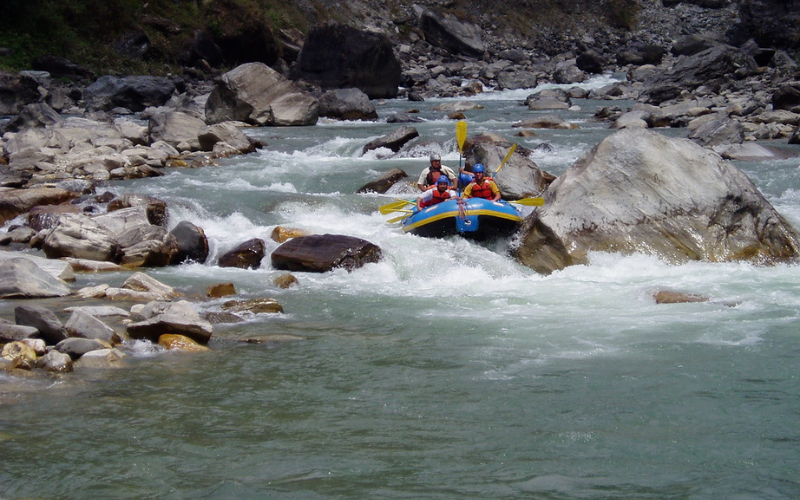
Flowing through picturesque valleys and jungle landscapes, the Seti River offers a more relaxed experience. Its water is relatively warmer compared to other Himalayan rivers, and its gentle sections make it a good choice for beginners and nature lovers.
4. Karnali River
The Karnali, Nepal’s longest river, provides a remote wilderness adventure. Multi-day expeditions (typically 7–10 days) take you through unspoilt landscapes rich in wildlife. Access usually involves travel via Nepalgunj followed by a journey to the river’s put-in point.
5. Sun Koshi River
Often described as a classic multi-day rafting journey, the Sun Koshi offers one of the finest river expeditions in the world. Trips can last over a week, combining exciting rapids with cultural encounters and ever-changing scenery.
6. Marsyangdi River
Known for its technical sections and powerful rapids, the Marsyangdi is a favourite among experienced kayakers and rafters seeking a more challenging run.
Kayaking in Nepal
Nepal has become an important destination for white-water kayaking, particularly for intermediate and advanced paddlers. The country offers everything from steep creeking rivers to high-volume big water.
For beginners, introductory courses and guided sessions are available—particularly around Pokhara and other popular river hubs—though Nepal is generally better suited to those with some prior experience.
Best Time to Visit
Autumn (September to November): The best season, with stable water levels and clear skies
Spring (March to May): Warm temperatures and reliable flows
Monsoon (June to August): High and unpredictable water levels, suitable only for experienced paddlers
Winter (December to February): Cooler conditions, but still possible on selected rivers
Safety and Preparation
Safety is paramount when undertaking river activities in Nepal. Travellers are advised to:
Choose licensed and reputable rafting or kayaking operators
Wear appropriate safety equipment, including helmets and buoyancy aids
Follow all instructions given by guides
Select trips appropriate to their level of experience
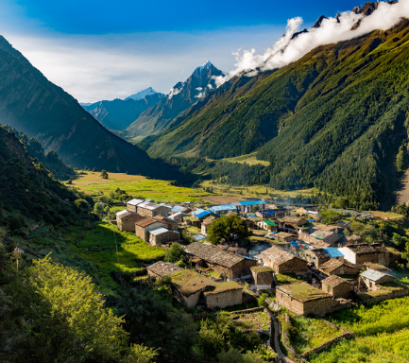
Kayaking and rafting in Nepal offer more than just excitement on the water. Many trips pass through remote villages, terraced farmland, and forested valleys, with opportunities to camp on sandy riverbanks beneath the stars. These journeys provide a unique perspective on both the natural beauty and cultural richness of the country.
PC: Flickr, Wikimedia Commons,
Also Read