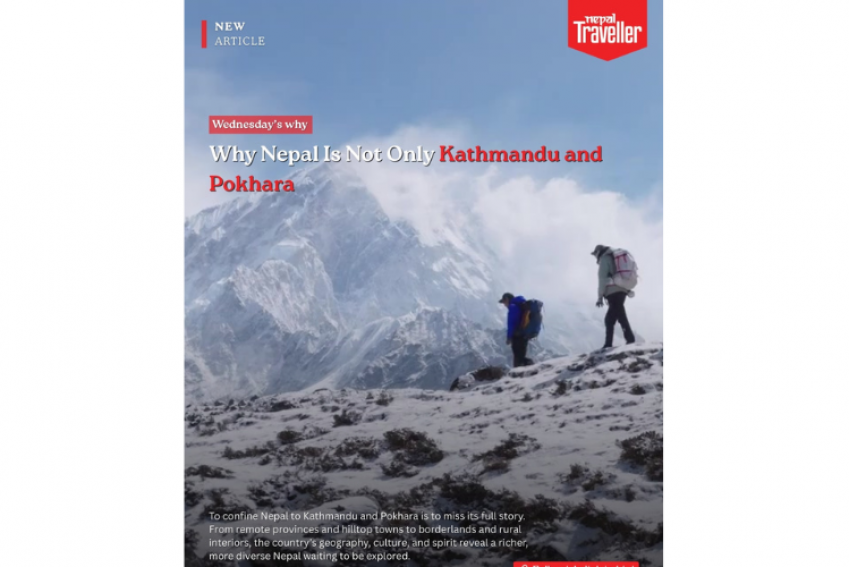
For decades, the narrative of Nepali travel has revolved around two familiar names: Kathmandu and Pokhara. One offers temple squares and layered history; the other, lakeside calm beneath Himalayan silhouettes.
Yet to confine Nepal to these two urban anchors is to misunderstand the country’s geographical drama and cultural breadth.
So this Wednesday, we ask: Why is Nepal not only Kathmandu and Pokhara?
The answer lies in its provinces, its peripheral towns, its borderlands, and its rural interiors: places that collectively define the nation’s character.
1. Because the Himalaya Does Not Begin and End in Pokhara
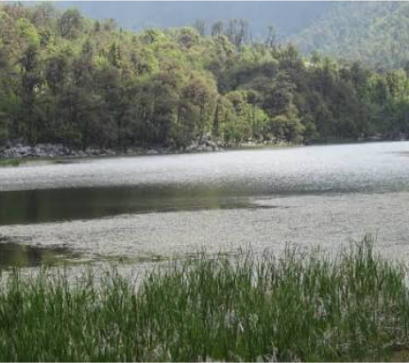
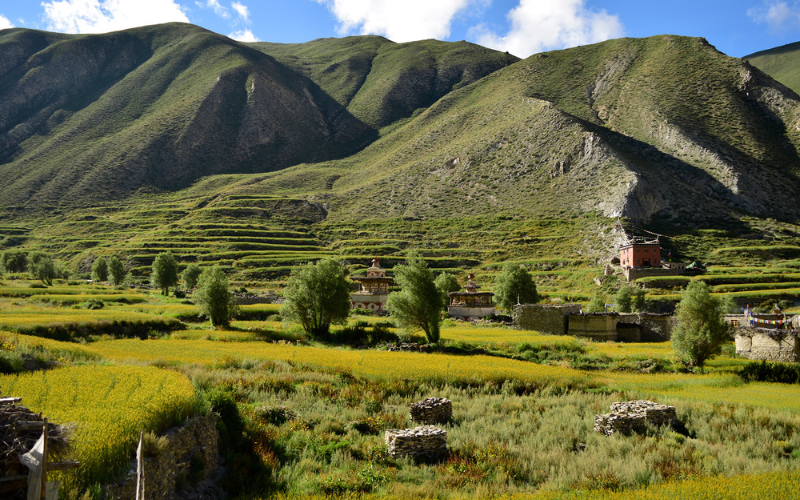
Pokhara may frame Machhapuchhre beautifully, but venture west to Rara Lake and you encounter a different Himalayan mood entirely. Situated at over 2,900 metres in Mugu, Rara is expansive, solitary and profoundly quiet. There are no bustling cafes here, only alpine forests and shifting mountain light.
Further north, Upper Mustang, particularly around Lo Manthang reveals a stark, ochre landscape shaped by Tibetan Buddhism and centuries-old trade routes. The architecture, dialect and climate differ sharply from central Nepal. It feels like another world because, culturally, it almost is.
For those seeking depth rather than convenience, these regions offer perspective on Nepal’s trans-Himalayan identity.
2. Because the Terai Holds a Different Civilisation
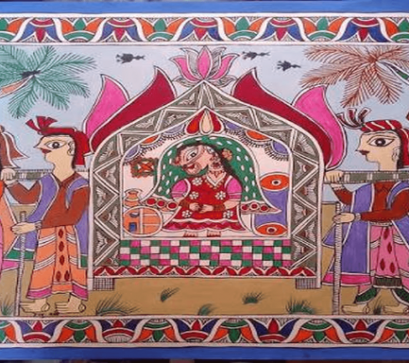
Travel south to Janakpur, and the atmosphere shifts again. The ornate Janaki Mandir dominates the skyline, its Mithila design reflecting artistic traditions distinct from the Valley’s pagoda style. Festivals here pulse with Maithili music, language and ritual.
Further west lies Bardia National Park, where sal forests and riverine grasslands shelter Bengal tigers and wild elephants. Unlike the more frequented parks near central Nepal, Bardia offers immersive jungle experiences with fewer crowds.
These southern landscapes remind travellers that Nepal is not solely mountainous; it is subtropical, agrarian and culturally layered.
3. Because the East Tells a Greener Story
In the eastern hills, Ilam unfolds in terraces of tea. The mist, climate and cuisine differ from the central corridor. Cardamom farms, dairy cooperatives and rolling plantations shape livelihoods here.
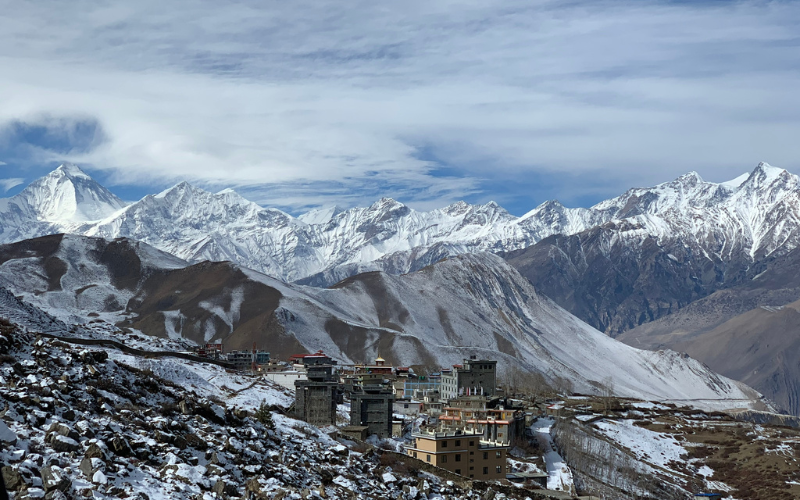
Beyond Ilam, the trails of eastern Nepal, less trodden than Annapurna or Everest reward trekkers with unfiltered encounters and community-run lodges. The relative quiet offers space for genuine exchange.
Eastern Nepal demonstrates that the country’s tourism narrative remains far from complete.
4. Because Hill Towns Preserve Trade-Era Elegance
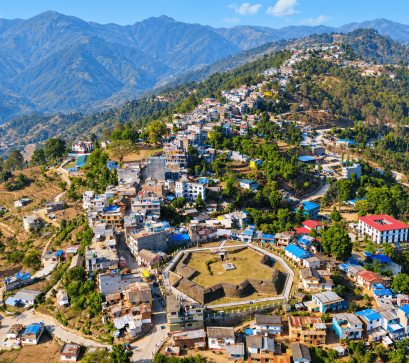
Mid-hill towns such as Bandipur and Tansen retain architectural continuity that larger cities have partially surrendered to modernisation. Stone-paved lanes, carved windows and ridge-top viewpoints evoke Nepal’s mercantile past.
These towns are ideal for slow travel, for mornings that begin with temple bells rather than traffic and evenings shaped by conversation rather than commerce.
5. Because Community and Culture Thrive in the Margins
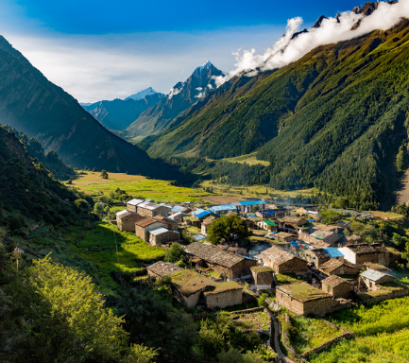
In districts like Dolpo, Humla and Bhojpur, life follows seasonal rhythms tied to agriculture, livestock and pilgrimage. Community homestays in these regions offer insights into food preservation techniques, oral traditions and ritual calendars rarely encountered in urban centres.
When travellers step beyond Kathmandu and Pokhara, they encounter not a polished itinerary but lived reality, one that is diverse, resilient and locally defined.

6. Because Sustainable Tourism Demands Dispersion
There is also a practical dimension to this question. Concentrated tourism strains infrastructure and narrows economic benefit. Exploring lesser-visited regions distributes income more equitably and encourages preservation of local heritage.
Nepal’s future as a responsible travel destination depends on widening its map in the traveller’s imagination.
The Deeper Why
Kathmandu and Pokhara are gateways: essential, vibrant and culturally rich. But Nepal’s identity resides in gradients: from subtropical plains to arid plateaus, from tea gardens to alpine lakes, from Mithila art to Tibetan-influenced monasteries.
To experience only two cities is to read only the introduction of a much longer story.
Nepal is not only Kathmandu and Pokhara because Nepal is plural: geographically, culturally and spiritually.
And perhaps the real invitation is this:
step beyond the obvious, and allow the country to surprise you.

PC: Wikimedia Commons
Also Read