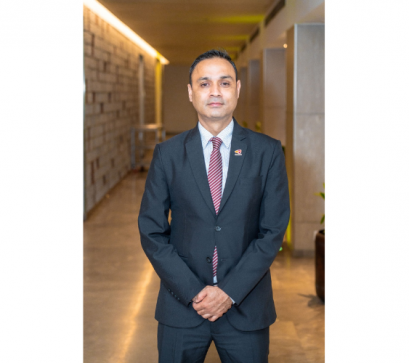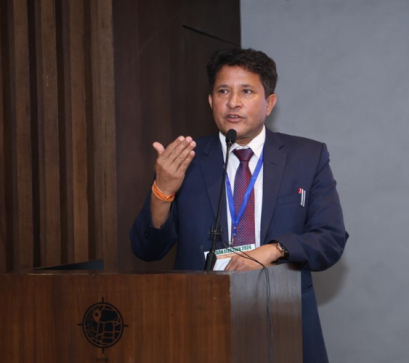

Sailendra Thapa Magar is the Director of Sales and Marketing at Best Western Plus Godawari Resort, where he leads the property’s sales and marketing strategies. With over fifteen years of experience in Nepal’s hospitality industry, he has worked across a range of departments and roles, developing a broad understanding of hotel operations and market dynamics. Over the years, he has built a strong interest in fostering professional relationships, understanding evolving traveller expectations, and contributing to the sustainable growth of hospitality businesses. Known for his collaborative approach, Sailendra Thapa Magar values engaging with people, exchanging ideas, and learning from diverse perspectives within the industry.
What initially led you to pursue a career in sales and marketing?
My interest in sales and marketing developed from my enjoyment of interacting with people and understanding what they truly need from a service or experience. Hospitality is ultimately a people-focused industry, and sales and marketing provide the opportunity to connect directly with guests, partners, and organisations.
What attracted me most to this field is the ability to create value while building long-term relationships. It is not only about promoting a product or service, but also about understanding expectations and ensuring that the solutions offered genuinely meet those expectations. The combination of strategic thinking, communication, and relationship-building is what motivated me to pursue this career path.
How do you define success in your role beyond revenue and occupancy?
While revenue and occupancy are certainly the core performance indicators for sales and marketing, I believe success extends beyond these numbers. True success is reflected in client satisfaction, long-term partnerships, a strong brand reputation, and effective teamwork within the organisation.
Sustainable growth in hospitality does not come solely from closing deals; it comes from delivering consistent value and building trust with clients and guests over time. When guests return, partners continue to collaborate, and the brand maintains a positive reputation in the market, that is when the work of sales and marketing is truly successful.
What opportunities do you see for destinations like Godawari within Nepal’s tourism landscape?
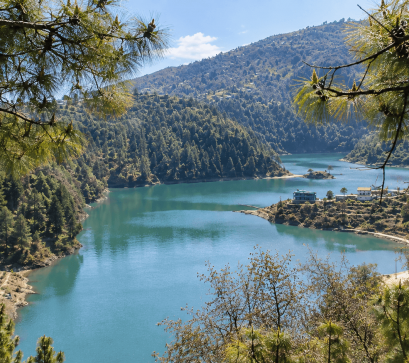
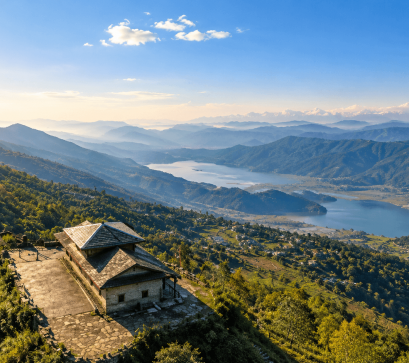
Godawari has considerable potential within Nepal’s tourism landscape because of its unique combination of natural beauty, biodiversity, and accessibility. Being located close to Kathmandu makes it an ideal destination for short retreats, nature-based tourism, and educational visits.
I see opportunities for Godawari to develop further through eco-tourism initiatives, nature-focused activities, botanical and environmental research experiences, and cultural exploration in the surrounding communities. With thoughtful planning and improved hospitality infrastructure, the area could position itself as a sustainable destination that complements Nepal’s traditional trekking and adventure tourism offerings.
What’s your approach to identifying and capitalising on emerging market trends?
My approach begins with continuous research and careful analysis of available data. I regularly monitor industry reports, digital analytics, customer feedback, and competitor activity to identify patterns or shifts in consumer behaviour. Understanding these changes early helps us adjust strategies before trends become widespread.
At the same time, I believe valuable insights often come from the people working closest to the guests. Feedback from frontline teams, customers, and business partners can reveal changing preferences well before they appear in formal reports. Combining data analysis with practical insights from the field helps create a clearer and more reliable understanding of emerging trends.

How do you see the balance between sales and marketing evolving in the next few years?
The relationship between sales and marketing is becoming increasingly integrated and data-driven. Traditionally, marketing focused on brand awareness and lead generation, while sales teams concentrated on converting those leads into business. Today, however, the distinction between the two functions is gradually narrowing.
Marketing teams are now using digital platforms, analytics, and targeted communication to nurture potential clients much further along the decision-making process. At the same time, sales teams are becoming more consultative, relying on data insights and technology to understand clients better and tailor their approach.
In the coming years, the success of organisations will depend less on separating these functions and more on aligning their goals and strategies. Information and technology are transforming how both sales and marketing operate, and collaboration between the two will become increasingly essential.
Also Read