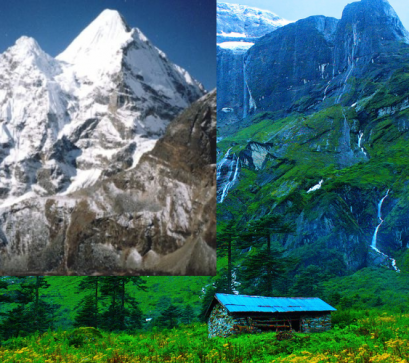
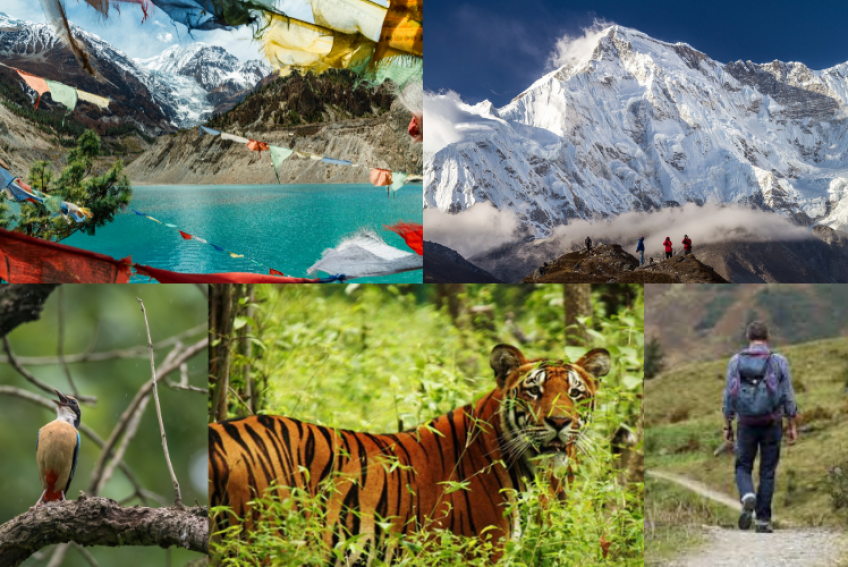
Earth Day, observed globally on 22 April, is more than a symbolic reminder. It is a call to protect the planet’s fragile ecosystems and rethink how we engage with nature. In Nepal, this message resonates deeply. Nestled between the Himalayas and the plains, the country is not only a destination of extraordinary beauty but also a living reminder of nature’s power, vulnerability, and resilience.
On this Earth Day, Nepal’s tourism story becomes inseparable from its environmental responsibility where every trail, lake, forest, and mountain speaks of both wonder and the urgent need for preservation.
The Himalayas: A Majestic Yet Fragile Frontier
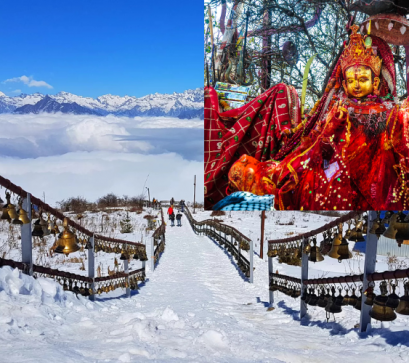
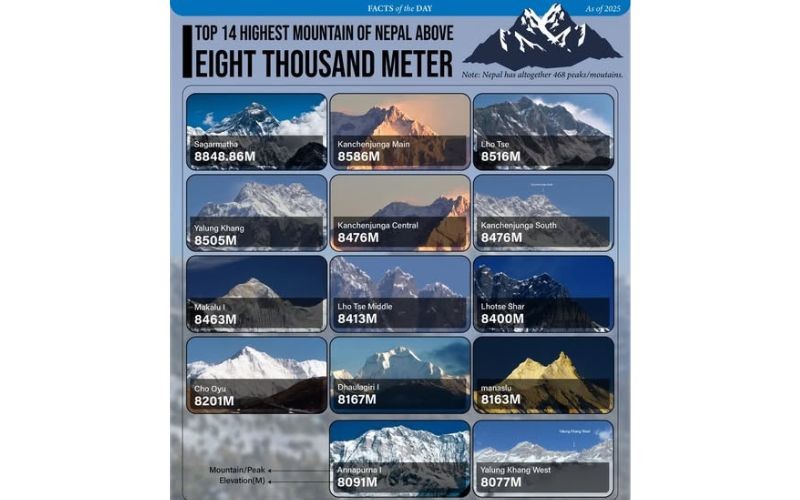
The Himalayas are Nepal’s defining identity. Home to eight of the world’s fourteen highest peaks, including Mount Everest, this region attracts thousands of trekkers and climbers every year.
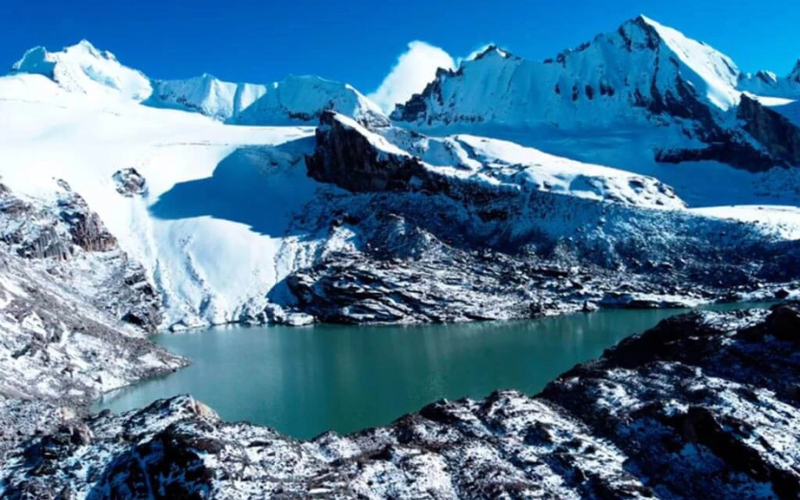
Yet, beneath the grandeur lies vulnerability. Glacial retreat, unpredictable weather patterns, and increasing footfall pressure are reshaping the mountain ecosystem. Earth Day serves as a reminder that Himalayan tourism must evolve towards low-impact trekking, responsible waste management, and climate-conscious travel practices.
Sustainable trekking routes like those in the Everest and Annapurna regions are now central to preserving these high-altitude landscapes for future generations.
National Parks: Where Biodiversity Breathes Freely
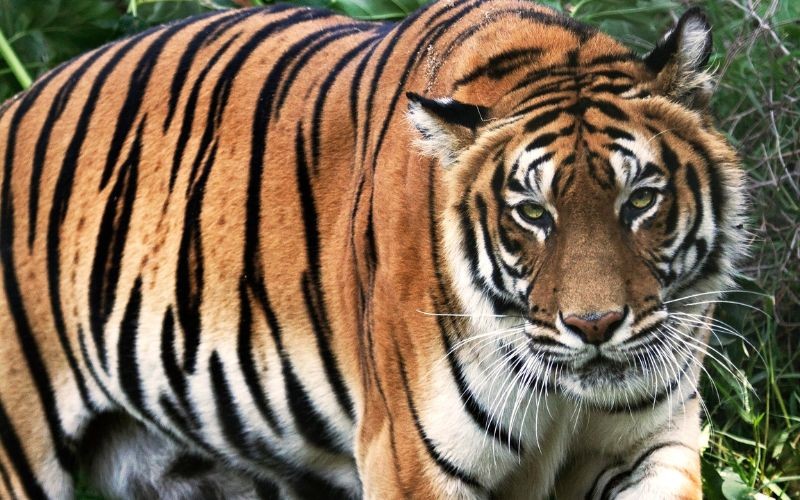
Nepal’s lowland jungles are equally vital to its ecological identity. Chitwan National Park and Bardiya National Park are UNESCO-listed sanctuaries that protect rare species such as the one-horned rhinoceros, Bengal tiger, and gharial crocodile.
Earth Day highlights the importance of eco-tourism in these regions where wildlife conservation, community involvement, and responsible tourism intersect. Lodges and operators are increasingly shifting towards sustainable models that minimise environmental impact while maximising conservation benefits.
Lakes, Valleys, and Living Culture
From the tranquil waters of Phewa Lake in Pokhara to the cultural richness of the Kathmandu Valley, Nepal’s landscapes are deeply intertwined with human heritage.
Cities like Kathmandu, Bhaktapur, and Lalitpur are living museums of art, architecture, and spirituality. Meanwhile, remote gems like Rara Lake reflect untouched wilderness at its purest form.
Earth Day invites travellers to reflect on how cultural tourism can remain sustainable, supporting local economies while preserving architectural and environmental integrity.

Tourism and Responsibility: The Way Forward
Nepal’s tourism industry stands at a critical juncture. As visitor numbers grow, so does the responsibility to ensure that growth does not come at the cost of ecological degradation.
Key priorities include:
Earth Day is not just about appreciation, it is about action. In Nepal, that action directly shapes the future of its tourism landscape.
A Shared Earth, A Shared Responsibility
Nepal is often called the “roof of the world”, but it is also one of its most delicate ecological treasures. From the towering Himalayas to lush jungles and ancient valleys, every part of the country reflects the intimate connection between nature and life.
On this Earth Day, Nepal’s message is clear: tourism and conservation are not separate journeys, they are the same path.
To travel in Nepal is to witness beauty. To protect Nepal is to preserve that beauty for generations yet to come.
Also Read