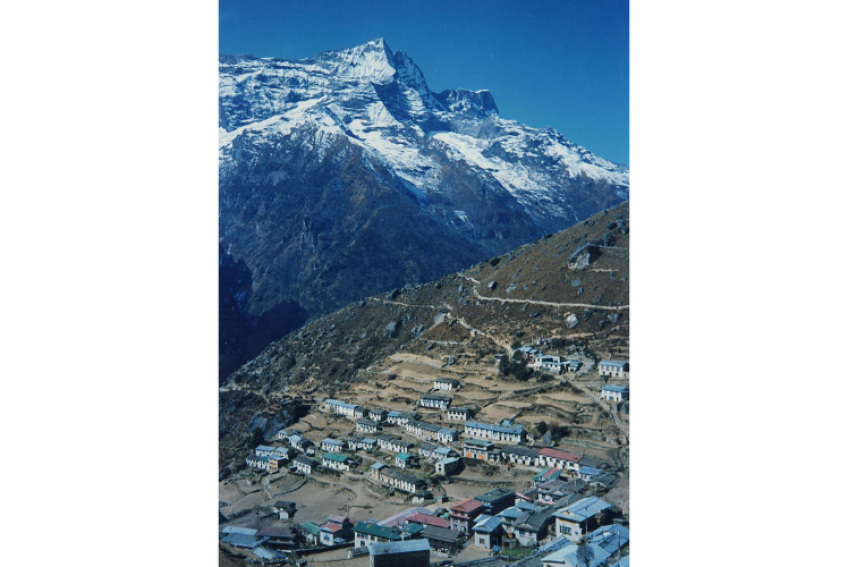
Most people who think of Solukhumbu think of Everest. They think of Tengboche, and of the Khumbu Icefall. They think of the great pilgrim route that generations of trekkers have walked north from Lukla, step by step toward the world's highest point. What almost nobody thinks of is Salleri — the actual capital of Solukhumbu district, a compact hilltop town sitting at roughly 2,400 metres in the Solu region, quietly running the administrative and commercial life of one of Nepal's most famous districts without any of the fame.
That anonymity is, in many ways, the point.
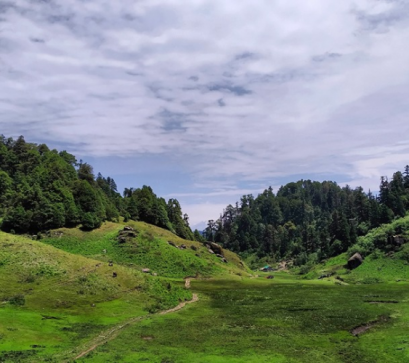
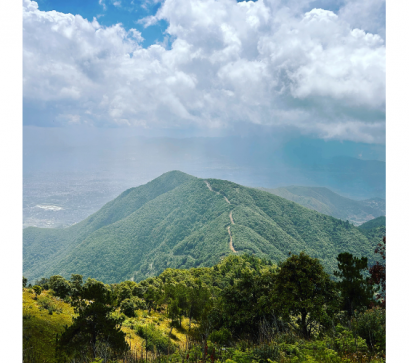
Salleri sits in the lower, southern portion of Solukhumbu district — the Solu half of the Solu-Khumbu name — in a landscape that is lush and green and unlike the alpine austerity of the high Khumbu. Here, the hills are terraced with millet and potatoes, and the forests are oak and rhododendron. The climate is temperate rather than harsh. The people are predominantly Rai, Sherpa, and Magar communities who have farmed these ridges and traded across these valleys for centuries, long before the first Everest expedition made the word "Solukhumbu" internationally legible.
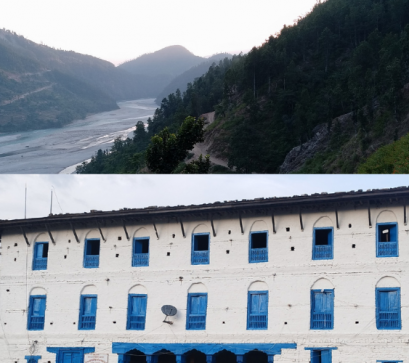
The town itself is manageable, unrushed, and fundamentally oriented toward its own life rather than the tourism economy that dominates higher up the district. There is a small bazaar, a cluster of government offices, schools, and health facilities that serve the surrounding villages. The weekly haat bazaar is typically held on Saturdays.
The pace here is the pace of a functioning administrative town, not a waystation for trekkers refueling between passes. That distinction, once you spend a morning in the main chowk, becomes one of the things you appreciate most about the place.
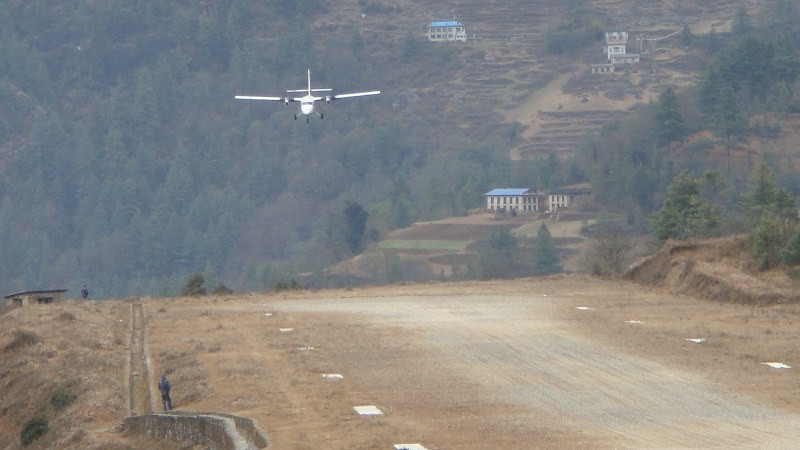
This is where things get interesting. Salleri does not have the luxury of an airport at its doorstep. The town is accessible by a road that connects it to Phaplu — which does have an airport — roughly 15 minutes by a local jeep or taxi. From Kathmandu, the flight to Phaplu takes approximately 35–40 minutes, making Salleri reachable in a single day for those willing to board a small aircraft. Alternatively, road access from the Terai via the Okhaldhunga–Solu road has improved in recent years, though the journey remains long. A 4WD vehicle with an experienced driver is recommended if you’re travelling through this road.
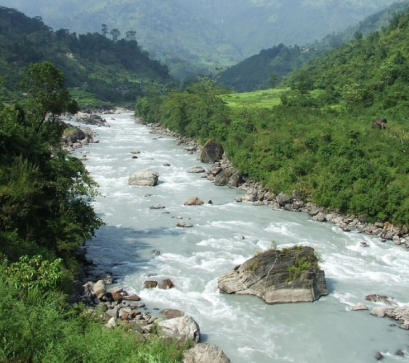
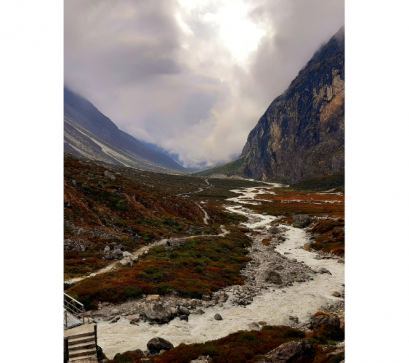
The approach by road, whatever your starting point, passes through countryside that is genuinely beautiful. The Dudh Koshi's tributaries cut through deep valleys. Villages cling to ridge spines. The road climbs and curves and offers, periodically, glimpses of snowcapped peaks to the north that remind you, quietly, of where you are in the world.
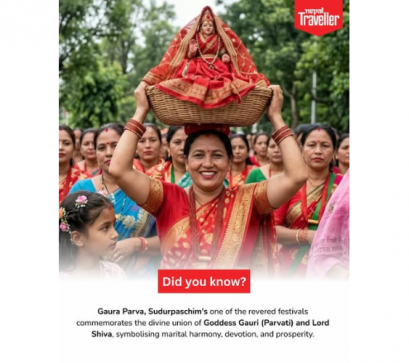
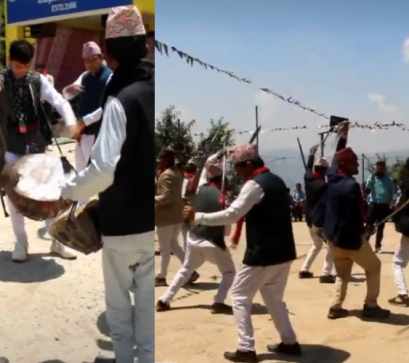
One of Salleri's less-discussed assets is its position as an entry point into the Solu region's distinct cultural identity — one that differs meaningfully from the high-altitude Sherpa culture of the Khumbu. The Rai communities of this region have their own language, ritual traditions, and agricultural calendar. The monastery culture here is also rich, if quieter than the famous gompas of Khumbu. Phaplu and its surrounding ridges have monastic institutions with long histories, and the relationship between Buddhist practice and everyday life in these villages is deeply woven.
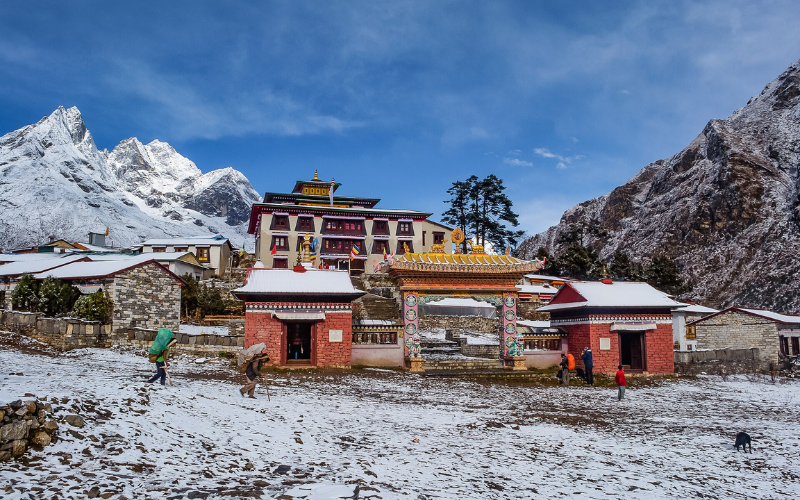
Salleri rewards a certain kind of traveller: one who is comfortable with a place that doesn't perform for an audience. There is no curated trekking loop that begins and ends in the town bazaar. What there is, instead, is a network of traditional trails connecting villages, monasteries, and agricultural settlements on ridges with views that open and close as you walk.
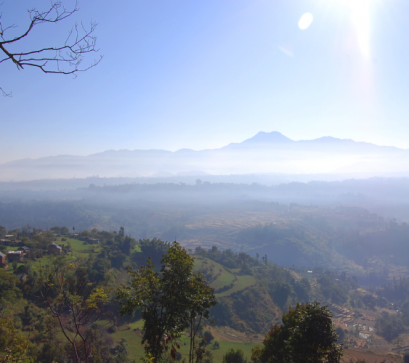
A walk to the villages above Salleri on a clear morning, when the Himalayan range appears in the north and the green terraces drop away to the valley below, is one of those experiences that does not fit neatly into the vocabulary of Himalayan tourism. It is not dramatic in the way that high-altitude trekking is dramatic. It is quieter than that, and in its quietness, perhaps more lasting.
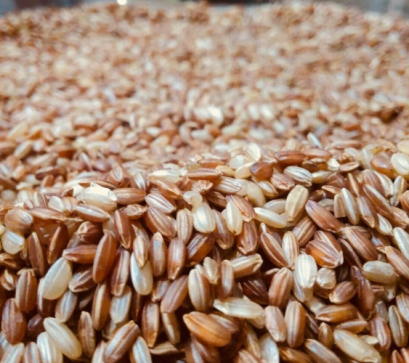
The markets in Salleri carry goods from across the district: dried mushrooms, local honey, handwoven fabric, and the particular quality of produce that grows at altitude — smaller, more intensely flavoured, harvested by people who know the land the way a carpenter knows wood.
Salleri is not for everyone, and it does not pretend to be. The infrastructure that makes high-altitude trekking comfortable — the teahouse system, the porter networks, the trekking agencies — exists in a different part of the district. Here, accommodation is functional rather than curated. The internet is real but inconsistent. The electricity is mostly reliable. The food is good in the way that food cooked for local people rather than tourists tends to be good.
What you get in return for these adjustments is something that is increasingly hard to find in Solukhumbu: the district on its own terms, functioning as itself.
Picture Credits: Wikimedia Commons, Flickr