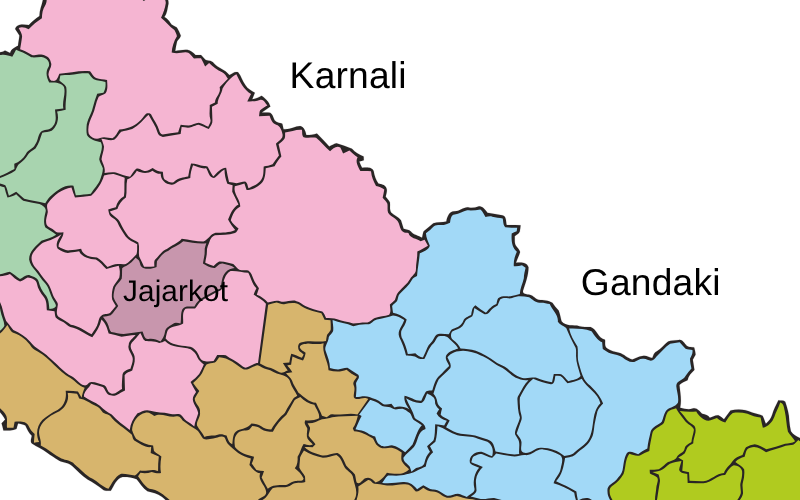
Often overshadowed by Nepal's more famous destinations, Jajarkot remains one of the country's most fascinating yet underexplored districts. Nestled in the heart of Karnali Province, this rugged hill district combines dramatic landscapes, centuries-old heritage, traditional villages, and authentic cultural experiences that are becoming increasingly rare in modern Nepal.
Once a powerful kingdom of the Baise Rajya era, Jajarkot preserves traces of its royal past through ancient palaces, temples, and folklore. Beyond its historical significance, the district offers rolling hills, deep river valleys, pristine forests, and panoramic Himalayan vistas that reward adventurous travellers willing to venture off the beaten path.
Whether you are a cultural enthusiast, nature lover, photographer, or slow traveller, Jajarkot offers experiences that reveal the authentic spirit of western Nepal.
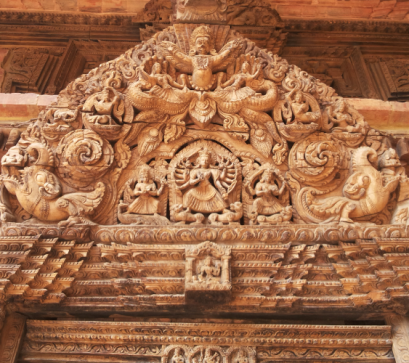
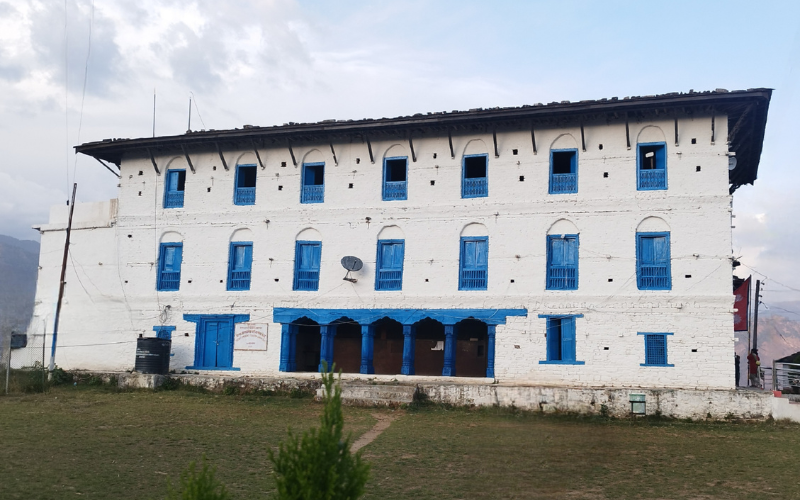
No visit to Jajarkot is complete without exploring the historic Jajarkot Durbar, the district's most iconic landmark. Built during the reign of the former Jajarkot Kingdom, the palace once served as the seat of regional power and remains a symbol of the district's royal heritage.
Although parts of the structure have suffered from earthquakes and years of neglect, the palace still showcases traditional architecture and offers valuable insights into Nepal's feudal past. The elevated location also provides sweeping views of surrounding hills and valleys.
For history enthusiasts, the Durbar serves as a window into an era when Jajarkot was one of western Nepal's influential hill kingdoms.
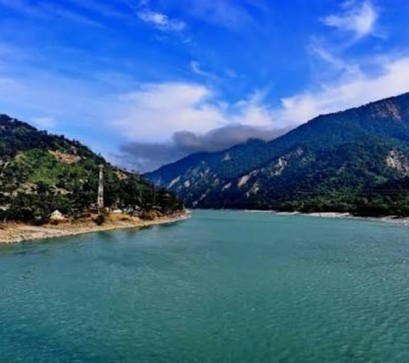
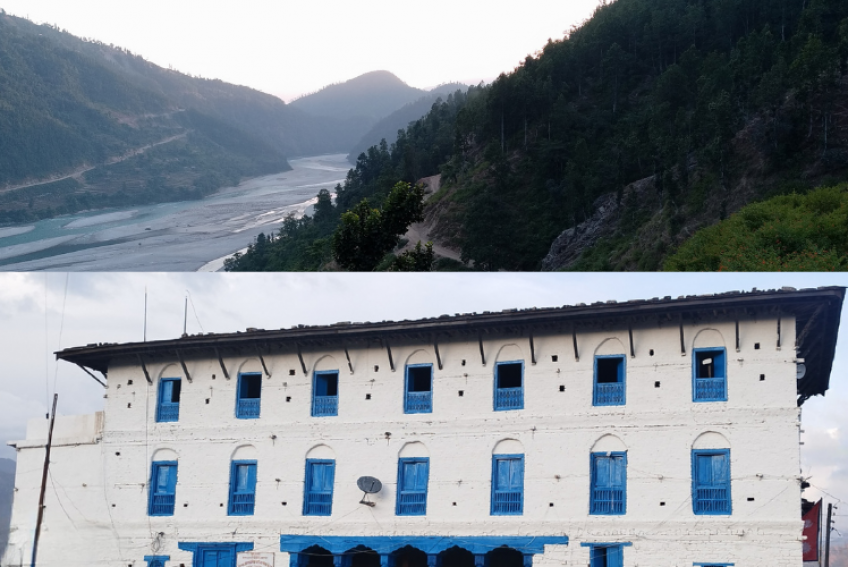
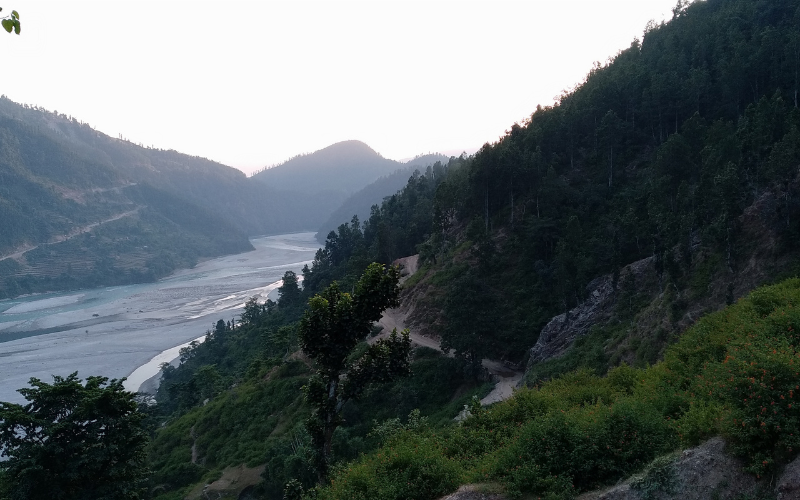
Flowing through the district, the Bheri River is one of Jajarkot's most spectacular natural features. Its turquoise waters cut through steep valleys and create dramatic landscapes that are ideal for photography and sightseeing.
Adventure seekers can enjoy fishing, riverside walks, and potential rafting opportunities in certain sections. The river also plays a crucial role in the lives of local communities, supporting agriculture and transportation across the region.
Sunrise and sunset along the Bheri River often reveal some of Jajarkot's most memorable scenery.
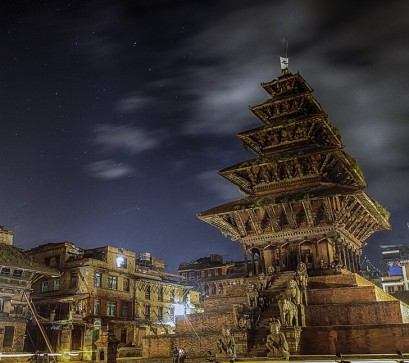
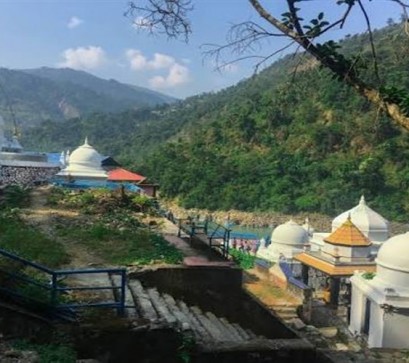
Jajarkot is home to numerous religious sites that reflect the district's deep spiritual traditions.
Among the notable attractions are:
Many of these shrines have served local communities for centuries and remain important centres of worship and cultural identity. Some suffered damage during past earthquakes, yet they continue to attract devotees and visitors alike.
The journey to these sacred sites often passes through beautiful villages and terraced landscapes, making the experience as rewarding as the destination.
For travellers seeking outdoor adventure, Chhedagad Valley offers some of the district's most picturesque trekking opportunities.
The valley features:
Unlike Nepal's more commercial trekking routes, Chhedagad allows visitors to experience genuine rural life without crowds. The peaceful environment makes it particularly attractive for photographers, birdwatchers, and hikers looking for solitude.
One of Jajarkot's greatest attractions is not a monument or viewpoint but its people.
Traditional villages such as Jhapra and numerous settlements scattered across the hills offer visitors a chance to experience authentic Karnali culture. Stone houses, terraced fields, livestock farming, and communal lifestyles remain integral parts of daily life.
Visitors can:
For many travellers, these interactions become the most memorable aspect of their journey.
Jajarkot's elevated terrain offers spectacular mountain vistas. On clear days, travellers can enjoy views of:
Several hilltops around Khalanga provide exceptional sunrise and sunset viewpoints. During autumn and winter, visibility is often at its best, revealing layers of mountains stretching across the horizon.
For photographers, early mornings provide ideal lighting conditions.
One of Jajarkot's lesser-known attractions is a cave-associated Shiva temple located several hours from Khalanga. The cave is notable for its bat population and spiritual significance.
The journey combines hiking, religious exploration, and nature observation, making it an interesting excursion for travellers looking to venture beyond the district headquarters.
The surrounding landscapes add to the appeal, offering scenic trails through forests and hills.
Jajarkot serves as an important gateway along the Rara-Bheri Corridor, a route that connects travellers to some of Karnali's most spectacular landscapes.
The corridor offers opportunities for:
Travellers heading towards Rara Lake often pass through parts of Jajarkot, making it an ideal stop to experience Karnali's rich heritage before continuing deeper into the region.
Timing your visit around local festivals can transform your experience.
Major celebrations include:
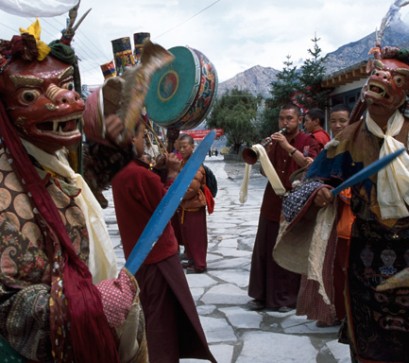
Traditional performances such as Deuda, Chhaliya, and Hudkeuli dances showcase the district's rich cultural heritage and storytelling traditions. Music, dance, and oral histories remain central to community life throughout the region.
These festivals provide a rare opportunity to witness living traditions that have been preserved for generations.
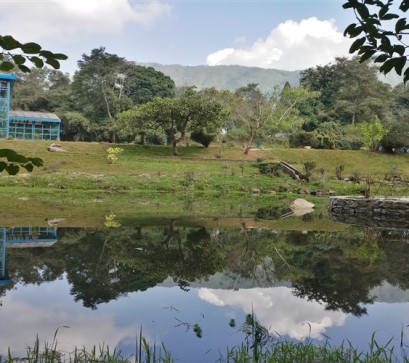
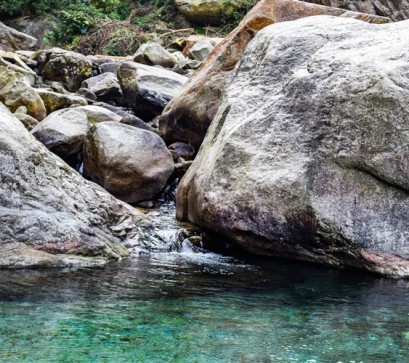
Perhaps the greatest attraction of Jajarkot is its unspoiled beauty.
Unlike Nepal's heavily visited destinations, Jajarkot offers:
Every journey through the district feels like a discovery, making it particularly rewarding for photographers, writers, and travellers seeking authenticity over convenience.
Jajarkot represents a side of Nepal that many travellers never encounter. Here, tourism remains secondary to everyday life, allowing visitors to experience genuine hospitality, living traditions, and landscapes untouched by mass tourism.
From royal palaces and sacred temples to hidden valleys and vibrant cultural traditions, Jajarkot offers an enriching journey through one of Nepal's most overlooked destinations. For travellers willing to venture beyond the familiar, the district reveals a deeper, quieter, and more authentic Nepal.
Also Read

.jpg)
.jpg)