In Nepal, the familiar cawing of a crow carries a meaning beyond its ordinary sound. According to Hindu mythology and Nepali folklore, crows are sacred messengers of Yamaraj, the god of death and justice.
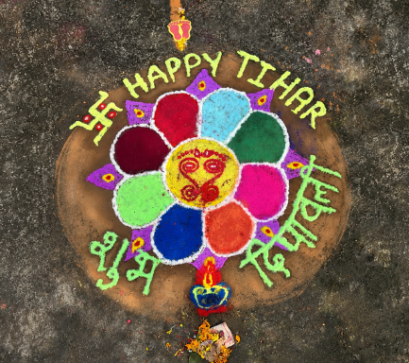
Their connection to the spiritual world is honoured during Kaag Tihar, the opening observance of Tihar, also known as Yama Panchak.
In 2026, Kaag Tihar falls on Saturday, November 7 (Kartik 21, 2083 BS), according to Nepal's Calendar Determination Committee.
Hindu tradition regards crows as intermediaries between the world of the living and Yamalok, the realm of Yamaraj. Popular belief holds that these birds carry messages about human affairs to the deity, making their presence spiritually significant.
In Nepali folklore, a crow calling near a house is sometimes interpreted as a sign that news or visitors may arrive. This belief has inspired the familiar expression “Shubha bol, shubha bol,” meaning a wish for good or auspicious news.
According to Radio Nepal, people honour crows during Kaag Tihar in the hope that they will carry favourable messages to Yamaraj and help protect households from misfortune.
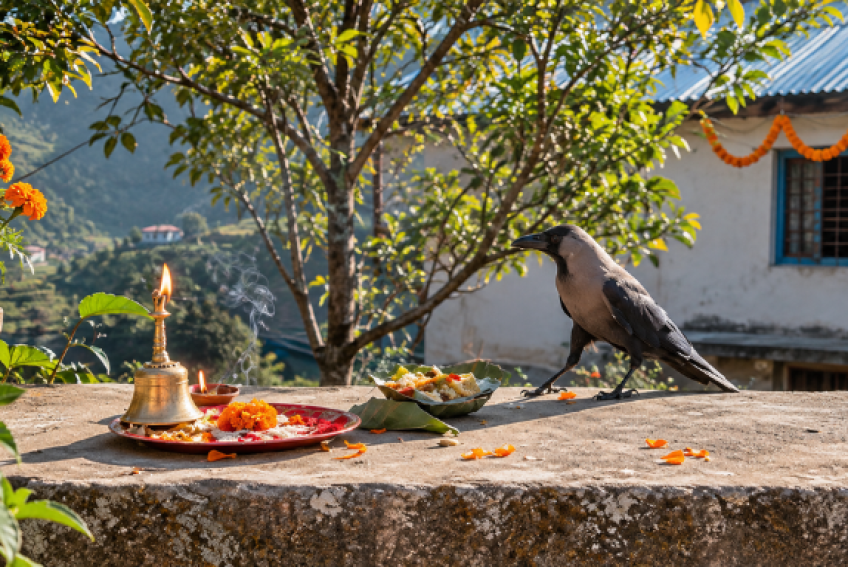
On Kaag Tihar morning, families prepare food offerings for crows before beginning their usual festival activities. Rice, grains, fruits and traditional foods are placed on rooftops, courtyards or other open spaces where the birds can easily reach them.
The practice, commonly associated with Kakbali, expresses respect for Yamaraj's messengers. In traditional belief, feeding crows represents a prayer for peace, protection and the well-being of family members.
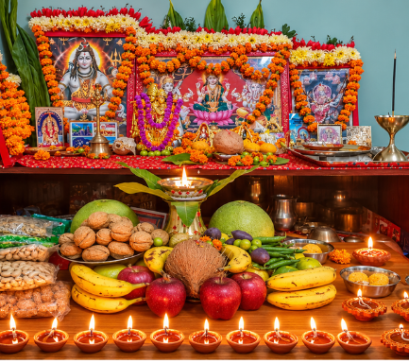
The Nepal Tourism Board describes crow worship as an important opening ritual of Tihar, with offerings of food, incense and light.
Beyond mythology, crows have an important ecological role. As omnivorous birds, they consume insects, discarded food and animal remains, helping recycle organic material within their surroundings.
Their intelligence and adaptability also allow them to live alongside people in Nepal's villages, agricultural landscapes and growing cities.
Kaag Tihar therefore carries a message that extends beyond religion: even animals commonly associated with unpleasant omens deserve care and respect.
As Tihar progresses towards Kukur Tihar, Laxmi Puja, Mha Puja and Bhai Tika, Kaag Tihar establishes a theme of gratitude towards living creatures.
The tradition transforms a bird often associated with death into a symbol of respect, remembrance and coexistence.
Before the lamps illuminate Nepal's homes, a simple offering to a crow reminds families that every living creature has a place in the country's cultural and spiritual heritage.
.png)