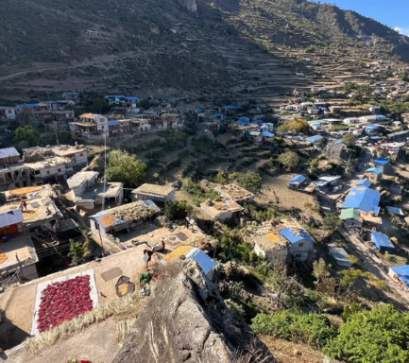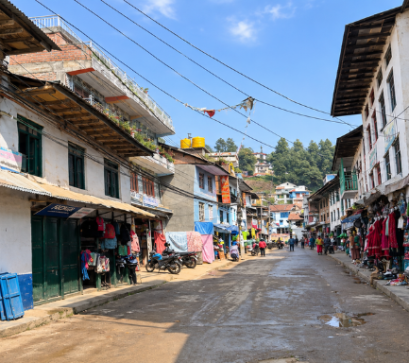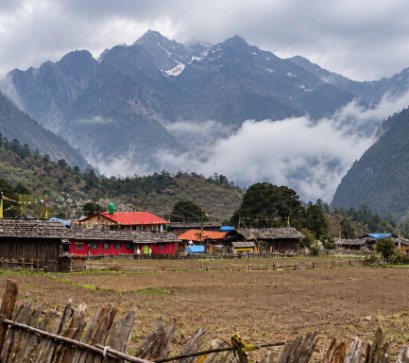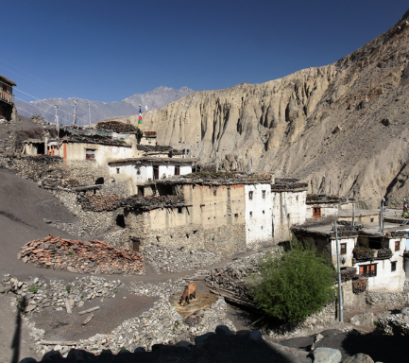
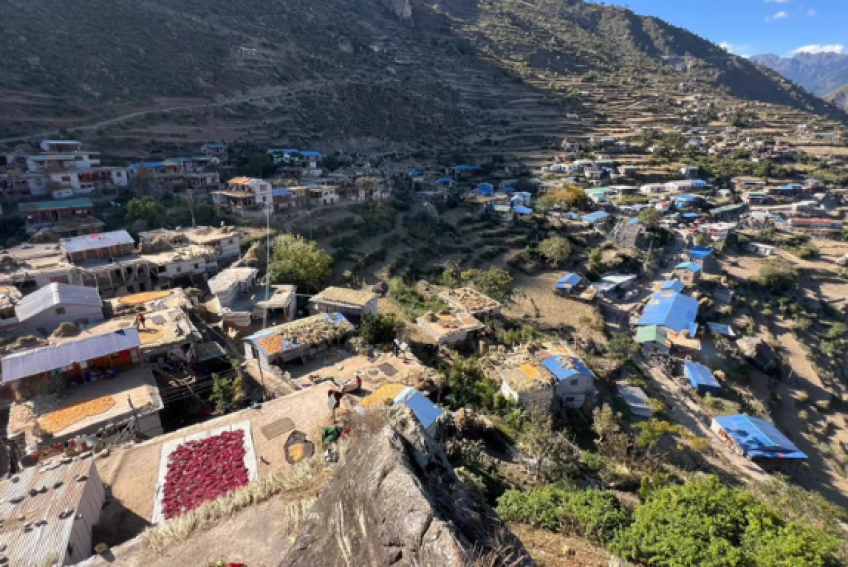
Located in the southern part of Humla District in Karnali Province, Adanchuli Rural Municipality is one of Nepal’s lesser-explored destinations. Surrounded by hills, forests, agricultural fields and traditional settlements, Adanchuli offers visitors an opportunity to experience the natural beauty and cultural heritage of rural Karnali.
Covering 150.61 square kilometres, Adanchuli consists of six wards, with Shreenagar serving as its administrative centre. According to Nepal’s 2021 National Population and Housing Census, the municipality has 8,265 residents living in 1,480 households.
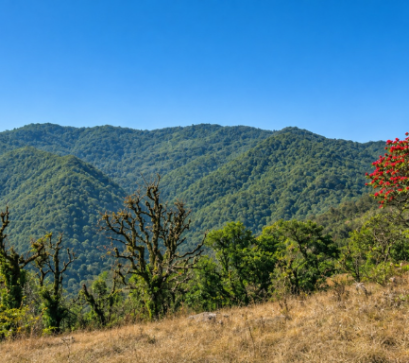
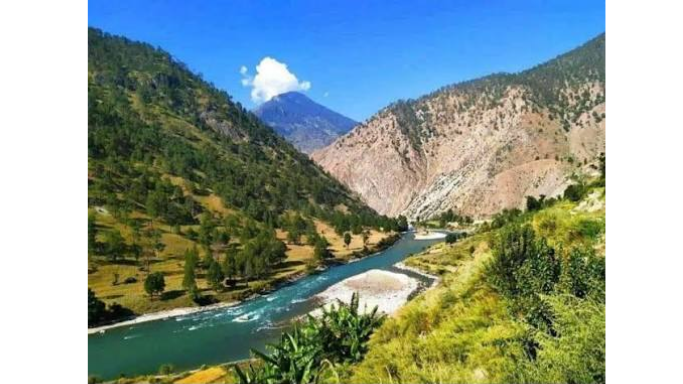
Adanchuli’s landscape is shaped by rugged hills, forests and scattered mountain settlements. One of its notable geographical landmarks is Madana Lekh, a peak closely associated with the municipality’s identity.
Other locally recognised attractions include Baikot Forest and Thapa Lek Danda, both featured on the rural municipality’s official website. These locations highlight Adanchuli’s potential for nature exploration, landscape photography and rural tourism.
Unlike Humla’s better-known destinations, such as Simikot and Limi Valley, Adanchuli offers a different perspective on the district, focusing on village life and the landscapes of southern Humla.
Culture is an important part of Adanchuli’s identity. Traditional performances such as Deuda, Hudke dance and Manne Dhami Nach reflect the region’s cultural and religious heritage.
These traditions are so significant that they feature in the municipality’s official logo, alongside the Karnali River, Madana Lekh, forests, traditional crops and Nepal’s national bird, the Himalayan monal.
Agriculture and livestock farming also remain important to local livelihoods. Traditional farming practices, sheep and goat rearing, and seasonal agricultural activities contribute to the municipality’s rural character.
Reaching Adanchuli requires careful planning. Travellers can enter Humla through Simikot and arrange onward travel using available local road connections. Road conditions and transport availability should be confirmed before departure.
Spring (March–May) and autumn (September–November) are generally favourable periods for exploring the region, although conditions vary with weather and elevation. Visitors should arrange accommodation, transportation and essential supplies in advance.
Adanchuli’s appeal lies in its combination of natural landscapes, traditional settlements and cultural heritage. For travellers seeking a less-commercialised experience of Nepal, this corner of Humla offers an opportunity to discover the everyday life, customs and scenery that make rural Karnali distinctive.