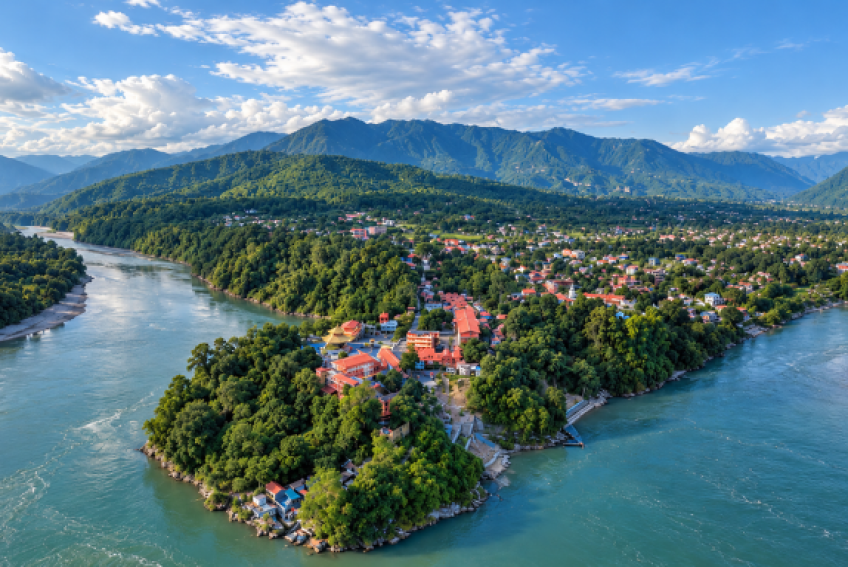
In the peaceful river valleys of central Nepal lies Devghat Dham, a sacred destination where flowing rivers, centuries-old beliefs and spiritual traditions come together. Located near the meeting point of Tanahun, Chitwan and Nawalpur districts, Devghat attracts pilgrims, saints and travellers seeking religious blessings and a quiet escape into nature.
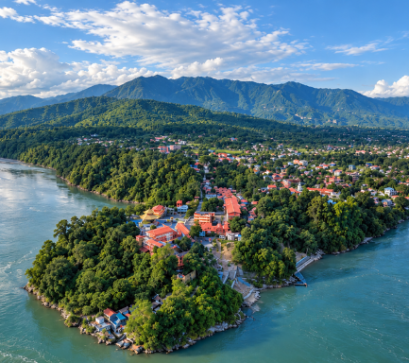
The spiritual heart of Devghat is the confluence of the Kali Gandaki and Trishuli rivers, known as Devghat Beni. These two major rivers meet to form the Narayani River, which eventually enters India as the Gandak and joins the Ganges near Patna. In Hindu tradition, river confluences are considered sacred, making Devghat an important destination for religious ceremonies, prayers and ritual bathing.
Devghat's religious significance is deeply connected with Hindu scriptures, including the Skanda Purana, Baraha Purana, Padma Purana and Himavatkhanda. The Kali Gandaki River is particularly revered for its Shaligram stones, naturally occurring fossils worshipped by Hindus as manifestations of Lord Vishnu. According to local religious traditions, several sages, including Maharishi Vashistha, practised meditation in this sacred region.
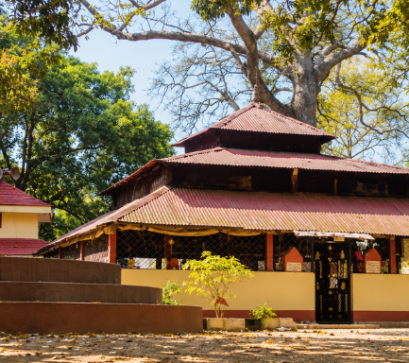
Beyond its rivers, Devghat is home to numerous temples, caves and spiritual retreats. Among its best-known landmarks is the Chakreshwar Temple, associated with King Mukunda Sen, who is traditionally believed to have meditated and attained spiritual liberation here during the 16th century. Other religious attractions include Vashistha Cave, Sita Cave and several ashrams where monks and devotees continue their spiritual practices.
One of Devghat's most remarkable traditions is its role as a place of spiritual retirement. Elderly devotees reside in local ashrams and retirement homes, spending their days in prayer, meditation and religious activities. The sounds of temple bells, devotional hymns and flowing rivers create an atmosphere that reflects the destination's enduring spiritual character.
Devghat becomes especially vibrant during Maghe Sankranti, celebrated in January on the first day of the Nepali month of Magh. Thousands of pilgrims from Nepal and India gather at the river confluence for ritual bathing, believing that the sacred waters offer spiritual purification. The annual religious fair transforms the peaceful riverbanks into a colourful gathering of faith and tradition.
Located approximately five kilometres northwest of Narayanghat, Devghat is accessible by local transport and private vehicles. Although open to visitors throughout the year, the cooler months offer comfortable conditions for exploring its temples, riversides and surrounding forests.
More than a pilgrimage destination, Devghat Dham represents Nepal's living spiritual heritage, where nature, mythology and centuries of devotion continue to shape everyday life.