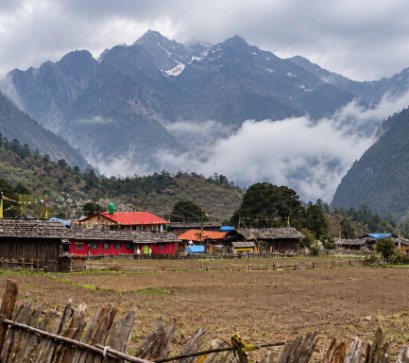
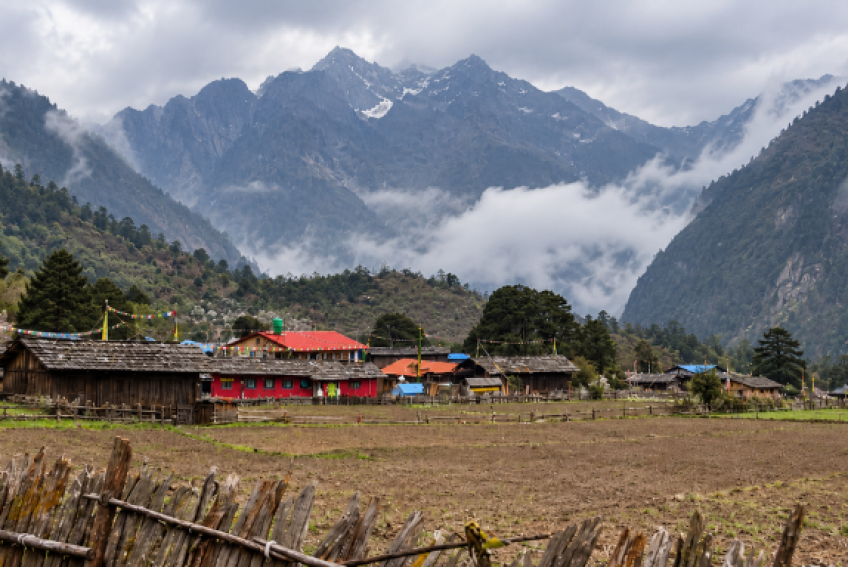
Deep in the mountains of Taplejung district, far from Nepal’s busy tourist destinations, lies Ghunsa Village, a beautiful Himalayan settlement in the Kanchenjunga region. Situated at approximately 3,475 metres above sea level, Ghunsa is known for its traditional mountain lifestyle, Buddhist heritage and importance as an acclimatisation stop on the Kanchenjunga Base Camp Trek.
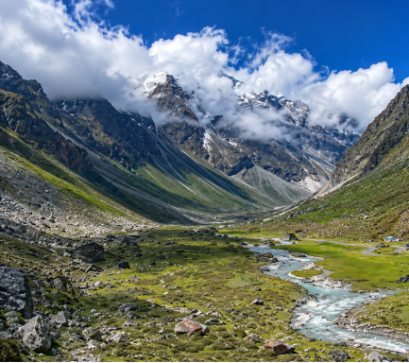
Located within the Kanchenjunga Conservation Area in Koshi Province, Ghunsa is surrounded by forested hills, glacial rivers and dramatic mountain landscapes. The conservation area was established in 1997 and covers 2,035 square kilometres. It provides habitat for endangered wildlife, including snow leopards and red pandas, making the region significant for biodiversity conservation.
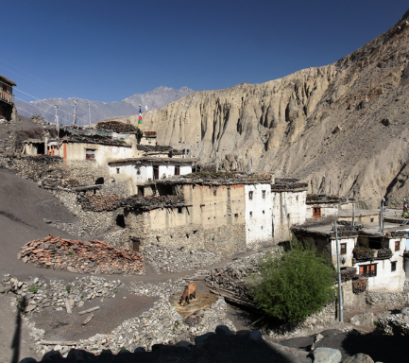
One of Ghunsa’s greatest attractions is its distinctive Himalayan culture. The village is home to a predominantly Sherpa and Tibetan-influenced Buddhist community. Traditional stone and timber houses, colourful prayer flags, mani walls and a local monastery reflect generations of mountain traditions. Agriculture, yak herding and tourism remain important parts of village life.
Ghunsa also serves as an important gateway to the northern base camp of Mount Kanchenjunga, the world's third-highest mountain at 8,586 metres. Trekkers travelling through the village continue towards Khambachen, Lhonak and Pangpema, passing through increasingly rugged Himalayan terrain. Many spend an additional day in Ghunsa to acclimatise before ascending above 4,000 metres.
Beyond trekking, visitors can explore the village's Buddhist monastery, walk through its quiet streets and experience the hospitality of local teahouses. Short acclimatisation hikes towards nearby viewpoints offer impressive views of the surrounding valleys and mountains, including Jannu, also known as Kumbhakarna, which rises to approximately 7,710 metres.
Ghunsa also holds an important place in Nepal's conservation history. On 23 September 2006, a helicopter carrying conservationists, government officials and other passengers crashed shortly after departing the area, killing all 24 people aboard. The tragedy followed a historic initiative to transfer management of the Kanchenjunga Conservation Area to local communities.
Reaching Ghunsa requires a journey through eastern Nepal followed by several days of trekking through remote valleys and mountain settlements. Spring and autumn generally offer favourable trekking conditions, while winter brings freezing temperatures and possible snowfall. Travellers should arrange the required trekking permits and an appropriate guide before departure.
For travellers seeking something beyond Nepal's popular trekking routes, Ghunsa offers an opportunity to discover a quieter side of the Himalayas, where mountain scenery, living traditions and conservation history come together.