As the first seeds of Jamara are planted and prayers fill Nepali homes, Ghatasthapana welcomes Dashain with blessings, cherished traditions and the promise of new beginnings.
“दशैं आयो, खाउँला पिउँला, कहाँबाट ल्याउँला?”
For generations, this playful childhood rhyme has captured the excitement of Dashain. The festival brings memories of family gatherings, new clothes, delicious food and the happiness of returning home. Yet, before the celebrations truly begin, there is a sacred moment that fills every household with devotion and anticipation: Ghatasthapana.
Marking the first day of Nepal’s biggest Hindu festival, Ghatasthapana opens the nine-night Navaratri period dedicated to Goddess Durga. It is a celebration of faith, prosperity and the timeless connection between people, nature and tradition.
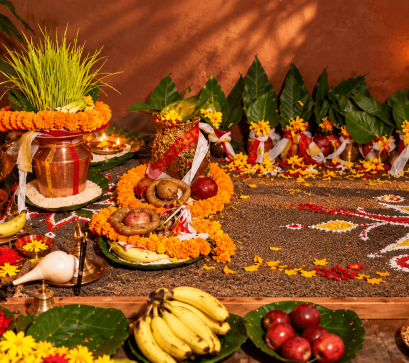
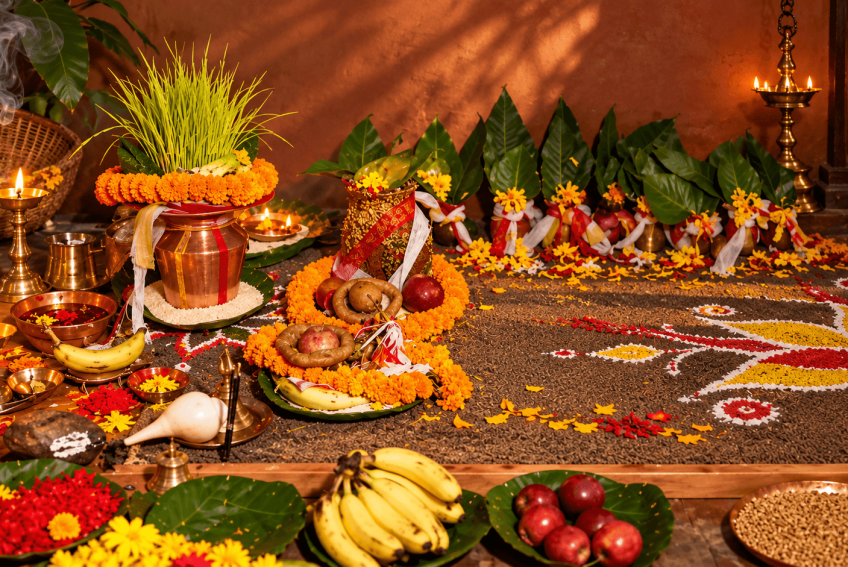
The word Ghatasthapana comes from two Sanskrit words: Ghata, meaning pot, and Sthapana, meaning establishment. On this auspicious day, families prepare a clean prayer space known as the Dashain Ghar, where a sacred Kalash filled with holy water is installed.
Barley seeds, sometimes accompanied by maize or wheat, are planted in a mixture of soil and sand to grow Jamara. The seeds are carefully watered and kept away from direct sunlight, allowing delicate yellowish-green shoots to emerge.
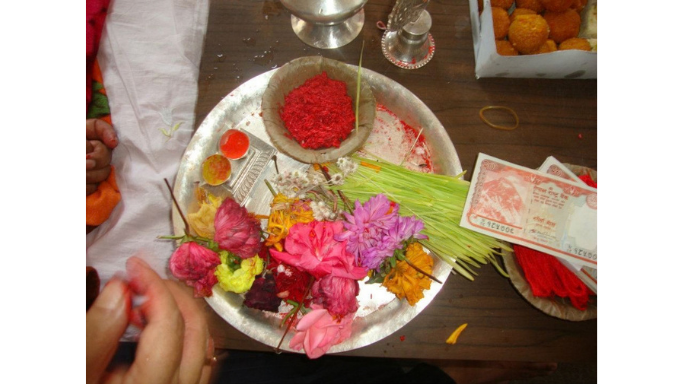
Throughout Navaratri, families offer flowers, incense and prayers to Goddess Durga, seeking protection, strength and prosperity. What begins as a handful of seeds gradually becomes one of Dashain’s most meaningful symbols.
Have you ever wondered why Jamara holds such a special place in Dashain? Beyond its religious importance, Jamara represents life, renewal and the beautiful relationship between humans and nature. Its growth reminds us that even the smallest seed, when nurtured with patience and care, can flourish.
On Vijaya Dashami, elders place Jamara alongside Tika while blessing younger family members with good health, happiness and success. That simple gesture carries generations of love, reminding us that Dashain is not only about celebration but also about family connections.
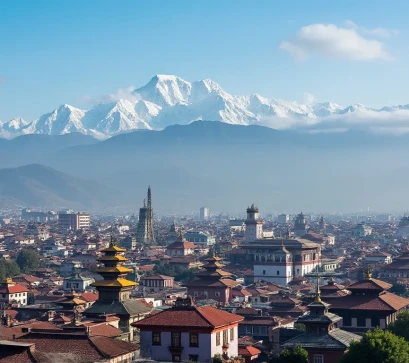
Across Nepal, Ghatasthapana reflects the country’s rich cultural diversity. In Kathmandu, traditional ceremonies take place at historic religious sites, including Hanuman Dhoka.
In the Mithila region, local customs and cultural expressions add their own character to the festivities, while Newar communities observe traditions associated with Mohani. Although practices differ, the spirit remains the same: welcoming divine blessings and celebrating togetherness.
As Jamara begins to grow in the quiet corners of Nepali homes, excitement for Dashain grows alongside it. Some families prepare for reunions, while others wait for loved ones returning from distant places. For those unable to travel home, the familiar rituals keep cherished memories alive.
Perhaps that is the greatest beauty of Ghatasthapana. Just as Jamara grows from its roots, our traditions remind us where we belong, no matter how far life takes us. With the planting of Jamara, Dashain begins not only in our homes but also in our hearts.