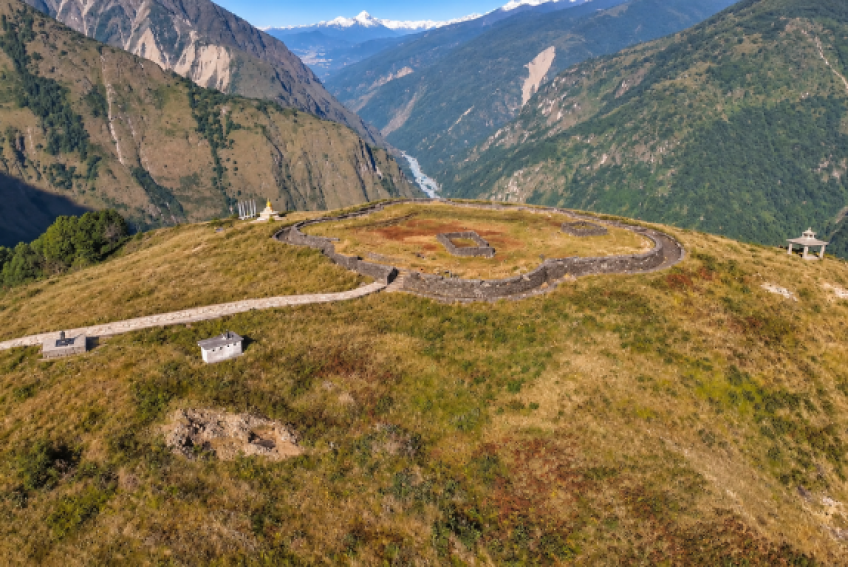
High above the Bhotekoshi Valley in Sindhupalchok, Duguna Gadhi stands as a reminder of Nepal’s 19th-century military history. Located near Yarmasing village in Bhotekoshi Rural Municipality, this historic hilltop fortress once helped protect Nepal’s northern frontier. Today, its reconstructed stone walls attract visitors interested in history, local culture and mountain landscapes.
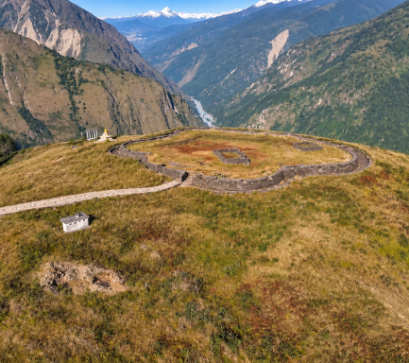
Duguna Gadhi, also known as Duguna Fort, was constructed around 1855–1856 AD (1912 BS) during the rule of Prime Minister Jung Bahadur Rana, when Nepal was engaged in conflict with Tibet.
The fort served as a strategic military position where soldiers could be stationed and weapons and essential supplies stored. Its elevated location allowed troops to monitor the northern border and defend important approaches towards Tibet.
Historical research also records the involvement of local households in maintaining the fortress. Documents from 1913 BS describe tax exemptions granted to families responsible for its upkeep, revealing the relationship between military defence and surrounding communities.
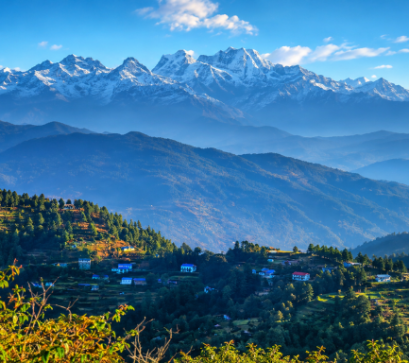
Situated approximately 2,200 metres above sea level, Duguna Gadhi occupies a hilltop overlooking the Bhotekoshi Valley. The historic fort complex extends across an area reported to cover approximately 200 ropanis.
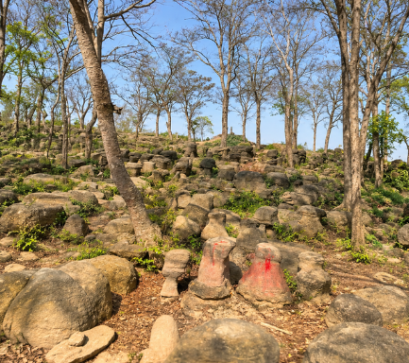
Its defensive layout includes stone walls, fortified positions and structures designed for soldiers and artillery.
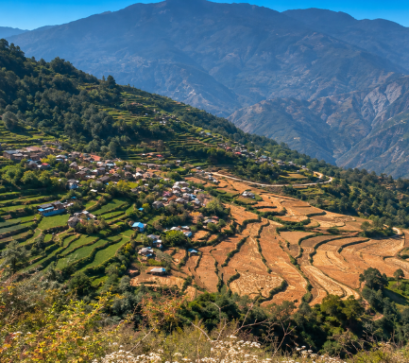
Beyond its military architecture, the site offers views of surrounding hills, the Bhotekoshi River and the Tibetan border landscape, including the direction of Khasa Bazaar.
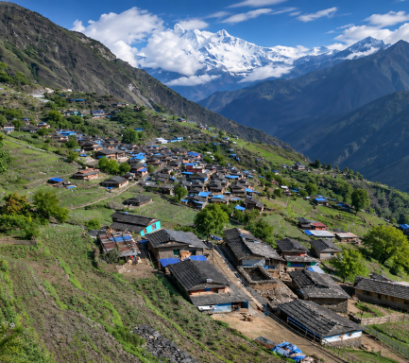
Nearby settlements are home to communities including Sherpa and Tamang residents, adding a living cultural dimension to the area's historical importance.
The devastating earthquake of April 2015 severely damaged Duguna Gadhi, prompting conservation and reconstruction efforts involving the Nepali Army, local authorities and heritage stakeholders.
Reports published in January 2026 highlighted the site's reconstruction and growing interest among domestic and international visitors.
The Nepali Army has also organised mountain trail races associated with Duguna Gadhi to promote awareness of Nepal's historic forts and military routes.
Travellers can explore the fortress and surrounding village landscapes, while nearby Tatopani offers another attraction along the Araniko Highway. Visitors should check local road and trail conditions before travelling.
Duguna Gadhi is more than an abandoned military outpost. Its walls preserve the story of Nepal's historical border defence, while its restoration connects that past with present-day heritage tourism.
Protecting the fortress also creates opportunities to share local history, encourage responsible travel and strengthen appreciation for Sindhupalchok's cultural landscape.
For visitors, Duguna Gadhi offers something meaningful: a place where Nepal's military past remains visible in the landscape.