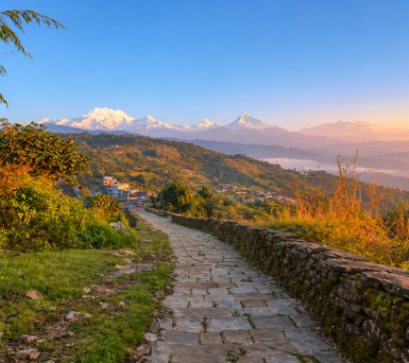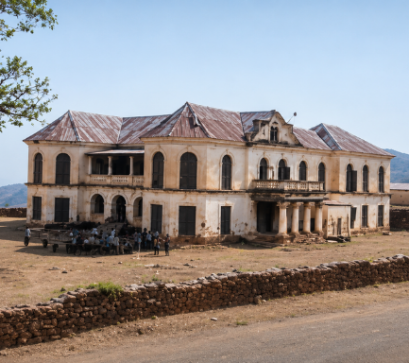
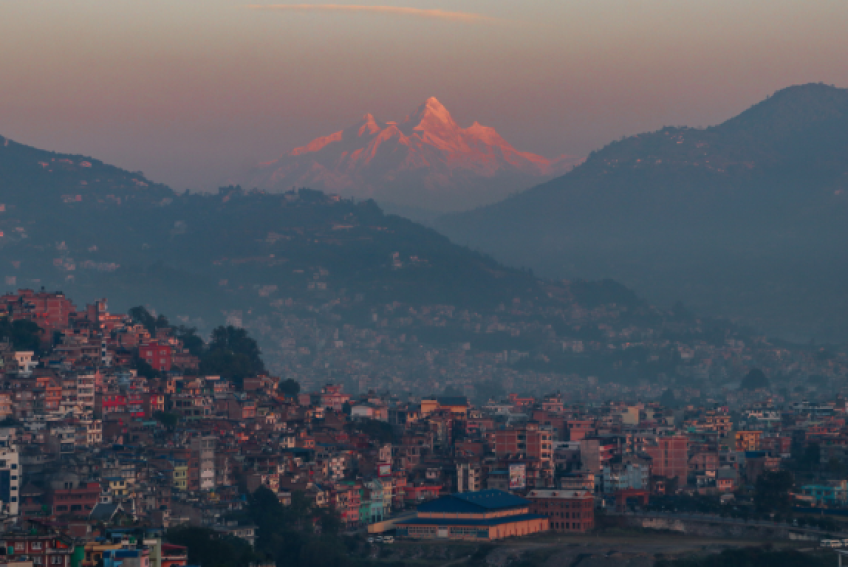
Only eight kilometres southwest of Kathmandu, Kirtipur tells a story of courage, culture and survival. This historic hilltop town, known locally as Kipoo, once resisted the expanding Gorkha kingdom. Today, its brick-paved streets, centuries-old temples and traditional Newar neighbourhoods offer visitors a fascinating glimpse into the Kathmandu Valley's past.
Kirtipur played a significant role in Nepal's 18th-century unification campaign. Its strategic hilltop position made it an important obstacle to King Prithvi Narayan Shah's expansion into the Kathmandu Valley.
The town resisted two Gorkhali attacks in 1757 and 1764. The first battle claimed the life of Gorkhali commander Kalu Pande, while the second left Shah's brother Surapratap injured. Kirtipur eventually fell during a third campaign in 1766–1767, marking a turning point in the Gorkha conquest.
Its history of resistance remains an important part of local identity.
Kirtipur's cultural landscape reflects the artistic traditions of the Newar community, with traditional brick houses, carved wooden windows, courtyards and religious monuments.
The three-tiered Bagh Bhairab Temple is dedicated to Bhairab in tiger form, whom local devotees worship as a guardian deity. Historical Gorkhali weapons displayed at the temple connect its religious significance with the town's turbulent past.
Nearby, Chilancho Stupa represents Kirtipur's Buddhist heritage, while Uma Maheshwar Temple, dedicated to Shiva and Parvati, stands on an elevated site overlooking the Kathmandu Valley.
These monuments illustrate the coexistence of Hindu and Buddhist traditions within Kirtipur's historic neighbourhoods.
Kirtipur's heritage remains visible in everyday community life. The annual Bagh Bhairab Jatra, generally celebrated in August, brings devotees together for religious observances, while Indrayani Jatra takes place around November or December.
Traditional Newari food is another attraction. Visitors can explore local eateries serving dishes such as samay baji, bara, choila and chatamari.
Walking through the old streets, exploring temple courtyards and enjoying views from the hilltop make Kirtipur a rewarding half-day excursion from Kathmandu. Nearby Chobhar and Taudaha offer opportunities to extend the visit.
Kirtipur is more than a collection of historic monuments. Its temples, festivals, traditional neighbourhoods and community life preserve an important chapter of Nepal's cultural history.
Recognising this significance, Nepal placed the Medieval Settlement of Kirtipur on UNESCO's World Heritage Tentative List in 2008.
For travellers, Kirtipur offers something particularly valuable: an opportunity to experience Newar heritage not simply as history, but as a living part of Kathmandu Valley life.
Nepali Handicrafts and Souvenirs
Pumdikot: Spiritual Haven Near Pokhara
Cultural Heritage Walks in Kathmandu Valley