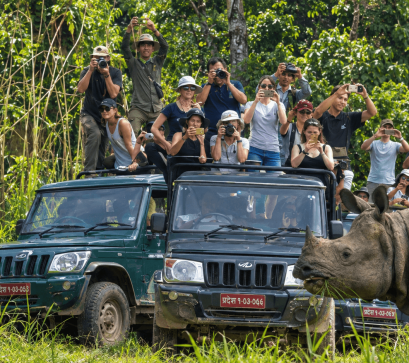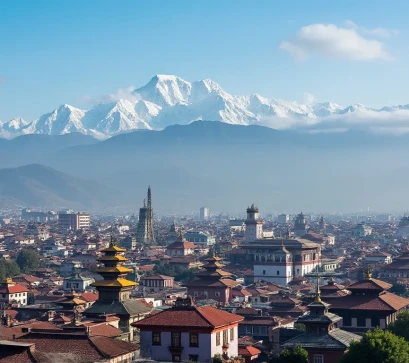
For decades, Nepal's tourism story has been told through its mountains. Everest, Annapurna, Pokhara and Chitwan have drawn travellers from every corner of the world. But as World Tourism Day 2026 arrives under the global theme "Digital Agenda and Artificial Intelligence to Redesign Tourism," a new question is emerging: how will travellers find Nepal in a world increasingly shaped by technology?
Travel planning is changing fast. Where visitors once relied on guidebooks and travel agents, many now turn to AI assistants to plan entire journeys in minutes. International studies show a sharp rise in the use of generative AI for trip planning, with travellers valuing personalised suggestions and the chance to discover new places. Yet many also report meeting outdated or inaccurate information.
For Nepal, this shift brings both promise and risk. The country recorded more than 1.15 million international arrivals in 2025, nearly 97 percent of its pre-pandemic level. Recovery is underway, but staying competitive now means being visible, accurate and trusted in the digital spaces where travel decisions are made.
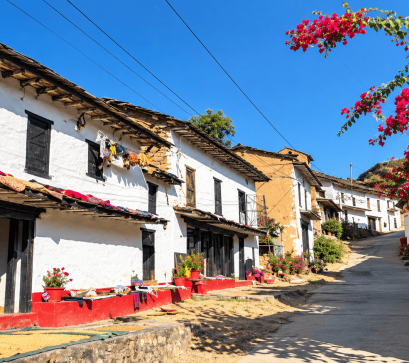
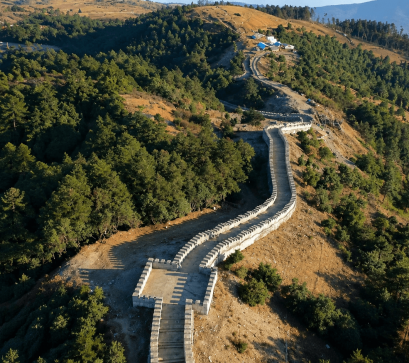
Nepal has long battled geographic remoteness through roads, airports and trails. Today, it faces a second kind: digital remoteness. Destinations such as Rara, Dhorpatan, Badimalika and Humla hold extraordinary natural and cultural value, yet remain largely absent from the platforms travellers use. If reliable information about a place cannot be found online, it may never appear in an AI-generated itinerary.
The good news is that Nepal is not starting from scratch. The Tourism Policy 2025 already points toward diversification through religious circuits, indigenous cuisine, wellness, rural and community tourism, and multi-season experiences. It also proposes multilingual digital promotion, structured destination profiles, an integrated digital trekking-permit system, tourist assistance centres and a 24-hour helpline. The real challenge now is implementation.
Smart tourism is not just about launching apps. Travellers need dependable, up-to-date answers: Is the road open? Is a permit required? Where is the nearest health post? Information must be verified, time-stamped and maintained by the agencies and communities responsible for it.
Equally important, visibility must match readiness. Promoting a destination before it has safe access, sanitation, reliable services and community consent can do more harm than good.
Technology cannot inspect a landslide, rescue an injured trekker or share the warmth of a village homestay. Guides, porters, homestay owners and local communities remain the heart of Nepal's tourism. Digital tools should amplify their knowledge, help small enterprises reach global markets and ensure benefits stay local.
AI will not replace Nepal's mountains, cultures or hospitality. But it will increasingly shape the doorway through which travellers first meet them. If Nepal invests in trustworthy data, inclusive digital skills and responsible governance, the world will discover not only its famous peaks but the full richness that lies beyond the trails.