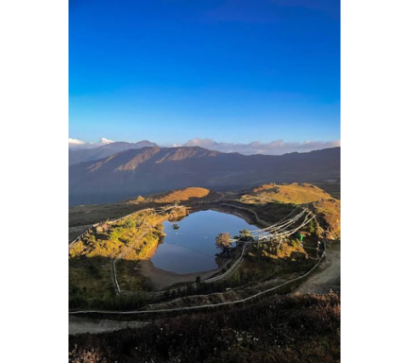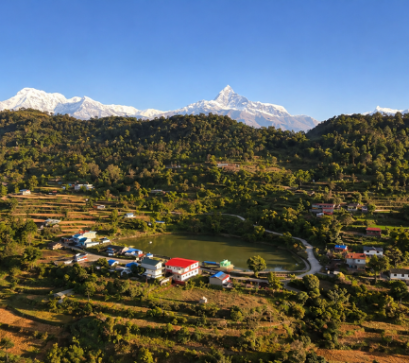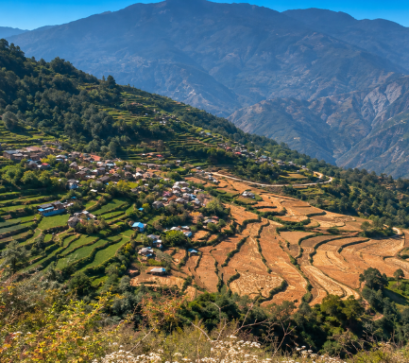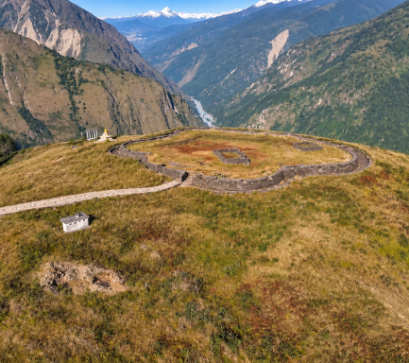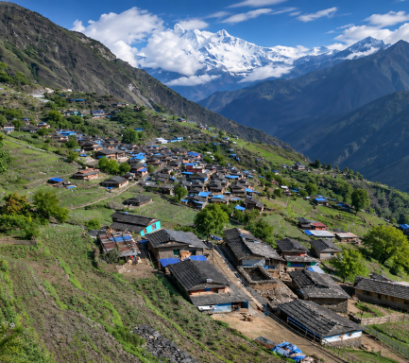
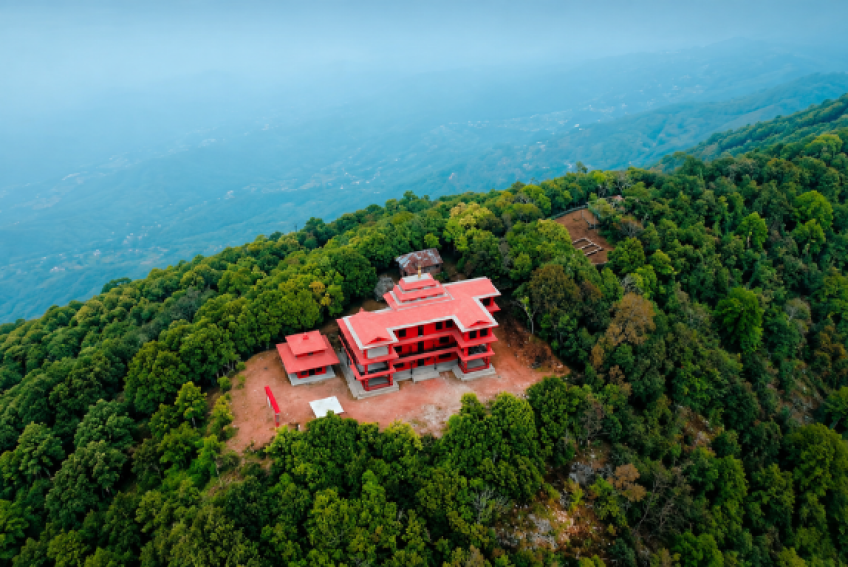
Situated on a forested hill in Panchthar District of Koshi Province, Hilihang Durbar is a historic royal site associated with King Hilihang Yonghang, a prominent ruler of Limbuwan. Standing approximately 1,900 metres above sea level, the palace complex connects eastern Nepal’s pre-unification history with its indigenous cultural heritage and natural landscapes.
Located in Hastapur, Ward No. 4 of Hilihang Rural Municipality, the palace was associated with the kingdom of Yangwarak Thum, part of the historical Limbuwan region.
During the 18th century, King Hilihang Yonghang resisted the advancing Gorkhali forces under Prithvi Narayan Shah. Historical accounts describe repeated military confrontations followed by negotiations during Nepal’s unification campaign.
The rural municipality was subsequently named in honour of the king, recognising his contribution to the region’s historical and cultural identity.
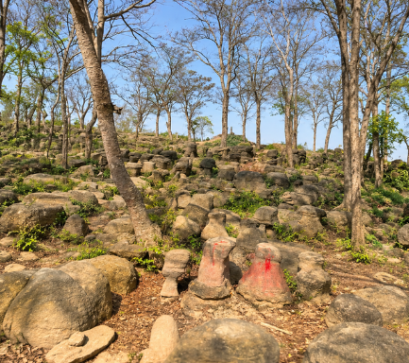
Although the original palace survives largely in ruins, archaeological remains and old construction materials offer insights into its royal past.
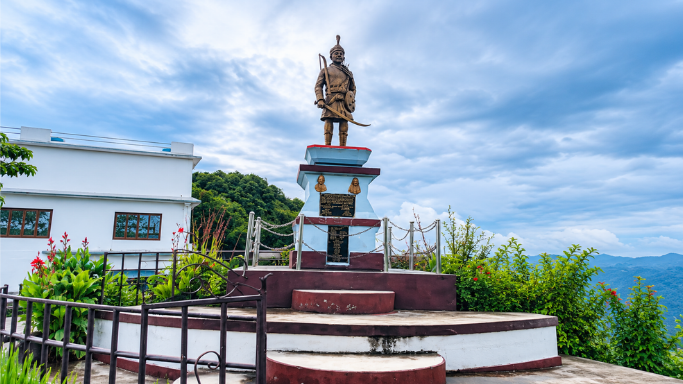
Preservation initiatives have included the construction of protective stone walls, statues commemorating King Hilihang and a new pagoda-style palace building. In June 2026, the National News Agency (RSS) reported that the development of the palace was attracting domestic visitors and encouraging local tourism.
The site also holds religious significance for the Limbu community. According to the Panchthar District Administration Office, historical weapons and royal insignia are traditionally worshipped and displayed on Maha Nawami during Dashain, following Kirat Mundhum traditions.
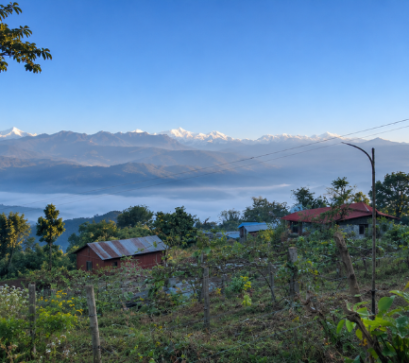
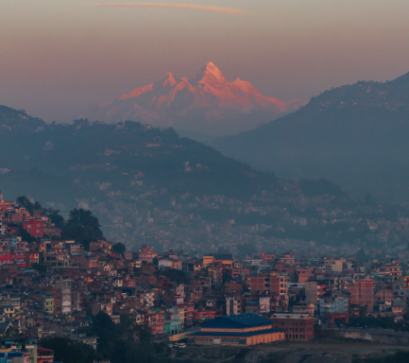
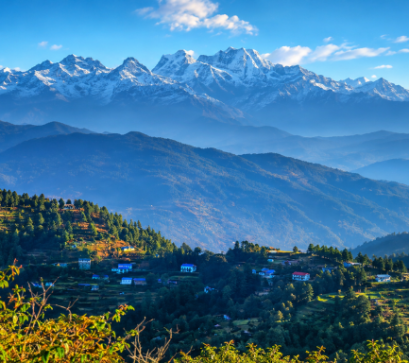
Beyond its historical importance, Hilihang Durbar offers expansive views of eastern Nepal’s hills and mountains. On clear days, visitors can see Kanchenjunga, Kumbhakarna (Jannu) and the hills surrounding Pathibhara Temple.
The palace grounds provide an appealing setting for photography, sunrise and sunset viewing, and exploring the architectural heritage of Limbuwan.
Travellers can reach Hilihang Durbar through the Mechi Highway along the Phidim–Taplejung route, turning off at Hilihang Chowk in Nagi. Visitors should check local road conditions before travelling, particularly during the monsoon.
Hilihang Durbar represents an important chapter of Nepal’s history told through the experiences of its indigenous communities. Its preservation offers an opportunity to understand Limbu governance, cultural identity and the political history of eastern Nepal.
For travellers interested in cultural tourism, archaeology and regional history, the palace provides a meaningful alternative to conventional sightseeing destinations while supporting the development of heritage tourism in Panchthar.
Top Birdwatching Sites in Nepal
Pathivara Devi Temple- A Sacred Pilgrimage in the Himalayas
Square Hotel Hosts Annual Cake Mixing Ceremony “ Mix and Mingle”
Top Destinations in Nepal Perfect for Solo Female Travelers