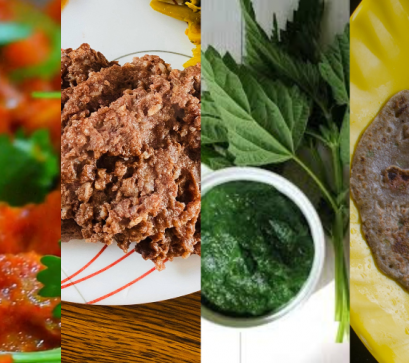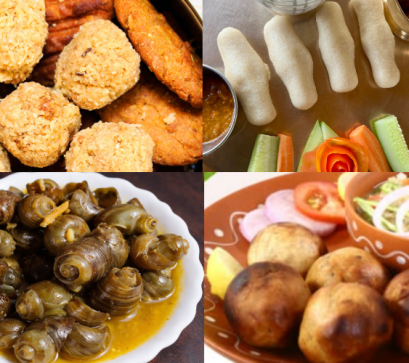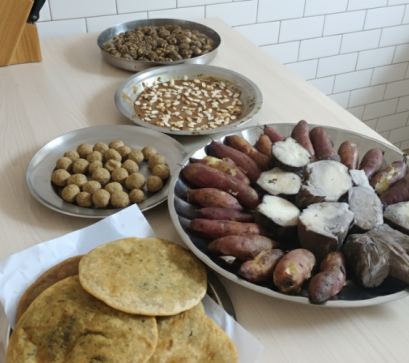


Nepal’s indigenous cuisines offer travellers an intimate way to understand the country’s cultural and ecological diversity. Shaped by geography rather than commercial trends, these food traditions rely on forest produce, river fish, fermented greens, high-altitude grains and seasonal herbs. For visitors, tasting indigenous food is not merely about flavour but about experiencing how communities live in balance with their surroundings.
Chirik Michcha – Traditional Yakkha Fermented Chilli Dish of Eastern Nepal
Among the Yakkha community of eastern Nepal, Chirik Michcha stands out for its bold and intense character. Prepared using fermented green chillies or leafy greens, combined with salt, garlic and occasionally timur, the dish delivers a sharp, pungent heat balanced by natural sourness. The fermentation process deepens the flavour, creating a powerful condiment that elevates simple meals of rice or millet. Its taste is unmistakably earthy and spicy, offering travellers a glimpse into eastern Nepal’s long-standing fermentation culture.

Ban Tarul – Wild Yam Cuisine of the Chepang Community in Nepal
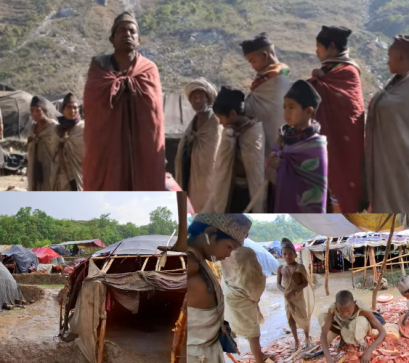
For the Chepang community, food is closely tied to forest survival. Ban Tarul, or wild yam, is harvested from surrounding forests and carefully prepared to remove natural bitterness. Once roasted or boiled, the yam reveals an earthy, mildly sweet flavour with a starchy, almost nutty finish. Its simplicity reflects a way of life dependent on deep ecological knowledge, making it one of Nepal’s most authentic examples of foraged cuisine for travellers seeking rare culinary experiences.

Paach Pokhari ko Jhol – Authentic Gurung Meat Broth from Nepal’s Hills
In Gurung households of the mid-hills, Paach Pokhari ko Jhol showcases a restrained yet aromatic approach to cooking. Made with free-range meat, wild herbs, garlic and ginger, the broth avoids heavy spices, allowing natural flavours to shine. Light but deeply warming, the dish carries herbal notes that feel both comforting and nourishing. Served communally, it embodies Gurung hospitality and offers visitors a taste of everyday hill life.

Tsampa – Traditional Sherpa Barley Food of the Himalayan Region
High in the Himalayas, Sherpa cuisine prioritises energy and warmth. Tsampa, made from roasted barley flour, is a staple food that reflects this need. Its nutty, toasted flavour and dense texture make it both filling and versatile. Mixed with butter tea or water, Tsampa becomes creamy and satisfying, providing trekkers and visitors with insight into how Himalayan communities sustain themselves in extreme conditions.

Machha Tarkari – River Fish Curry of the Bhote and Majhi Communities
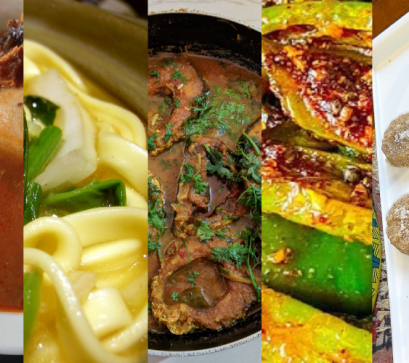
For river-based communities such as the Bhote and Majhi, Machha Tarkari represents a close relationship with flowing waters. Freshly caught river fish is cooked with turmeric, garlic, onion and mustard oil, creating a dish that is mildly spiced and aromatic. The clean, natural taste of the fish remains central, while mustard oil adds a sharp edge. Travellers tasting this dish experience flavours shaped by rivers rather than farmland.

Thenthuk – Handmade Noodle Soup of the Hyolmo Community in Nepal
In the Helambu region, the Hyolmo community’s Thenthuk reflects Tibetan-influenced mountain cuisine. Hand-pulled wheat noodles are served in a slow-cooked bone broth flavoured with garlic, greens and sometimes yak or buffalo meat. The result is rich yet clean, with comforting umami depth and chewy noodles that provide warmth in cold climates. For visitors, Thenthuk offers a deeply nourishing experience rooted in highland living.

Together, these indigenous foods highlight Nepal’s extraordinary culinary diversity. Rooted in local ingredients and traditional techniques, they present an authentic pathway for food-focused travellers to explore Nepal beyond its well-known dishes. Indigenous cuisine remains one of the country’s most underappreciated tourism assets, offering flavours that tell stories of land, climate and culture.
Also Read