
Nestled in the forested hills of western Nepal, the Raute tribe remains one of the country’s most extraordinary and enigmatic communities. Often described as Nepal’s last nomadic hunter-gatherers, the Raute uphold a lifestyle that has endured centuries of social change; making them a living emblem of cultural resilience and a point of interest for cultural travellers and anthropologists alike.
A Life on the Move: Nomadic Tradition
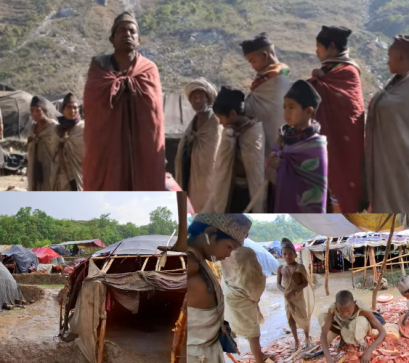
Unlike most communities in Nepal, the Raute do not practice agriculture nor settle permanently in one place. Their way of life revolves around seasonal mobility, moving through jungles and riverine forests in districts such as Surkhet, Dailekh, Dang, and Dadeldhura in the far west. They typically build temporary shelters: tents crafted from wood, leaves and cloth, and rarely remain in one location for more than a few months at a time.
This fluid mobility is driven by the availability of natural resources: water, wild food and suitable trading opportunities, and reflects a profound attunement to the environment that few modern societies maintain.

Sustenance in the Forest
Central to the Raute identity is their hunter-gatherer subsistence system. They rely chiefly on hunting langur and macaque monkeys, alongside gathering wild tubers, fruits and greens from the forest floor.
Rather than practising farming, the Raute sustain their community through trade: they fashion wooden utensils, bowls and boxes, highly skilled craftsmanship passed down through generations, and barter these items with local farmers in exchange for grain, cloth and essential goods.
Their rejection of agriculture and permanent settlement is not merely practical but deeply cultural. In Raute worldview, wandering sustains their autonomy and harmony with the forests they regard as both home and spiritual ally.

Language and Social Structure
The Raute speak their own language, sometimes called Raute or “Khamci,” classified within the Sino-Tibetan family. It remains predominantly oral, reflecting traditions transmitted through spoken stories and communal memory rather than written texts.
Their society is traditionally egalitarian and cohesive, with decisions guided by consensus and elders holding significant influence over the community’s direction, particularly regarding mobility, hunting practices and ritual activities.
Rituals and Beliefs
The Raute maintain a rich cultural life centred on relationships with the forest and its spirits. A compelling example is the “Raitihari Feast”, a sacred ritual ceremony performed whenever the group enters a new forest territory. During this feast, the community offers prayers and gestures of respect to the land’s spirit to ensure safety, abundance and harmony before settling temporarily.

Challenges of Modern Change
Despite their resilience, the Raute face profound contemporary challenges. Government efforts to provide social security allowances and restrictions on forest access have altered aspects of their traditional economy and movements.
Environmental pressures, deforestation and limited demand for wooden crafts due to cheap plastic alternatives further strain their traditional ways of living. Some Raute now accept government stipends, while others increasingly interact with settled communities, blurring the lines between a purely nomadic existence and a sedentary lifestyle.
The Raute population remains small: recorded at around 566 in Nepal’s 2021 census, and only a fraction maintain the fully nomadic lifestyle that once defined the community.
For visitors to Nepal seeking cultural depth beyond temples and trekking trails, the Raute offer an incomparable window into human adaptation and tradition. Responsible cultural tourism to Raute regions - conducted with respect, sensitivity and community consent - can help support preservation efforts while fostering cross-cultural understanding.
Theirs is not just a story of survival but of a philosophical stance: a life woven into the rhythms of nature, where mobility is not a sign of instability but of enduring cultural identity.
Also Read