

Nepal’s culinary landscape is shaped by its indigenous communities, each preserving flavours that reflect their land, beliefs and way of life. Among the Limbu community of eastern Nepal, Wachipa and Yangben stand out as two of the most distinctive traditional dishes, not only for their unique ingredients but also for their deep cultural significance. These age-old delicacies offer travellers an authentic taste of Kirati heritage and indigenous food traditions.
Wachipa: A Ritual Dish with a Bitter Edge
Wachipa is one of the most culturally significant dishes of the Limbu community. Traditionally prepared during festivals, celebrations and important social gatherings, Wachipa is valued as much for its symbolism as for its flavour.
Preparation Method
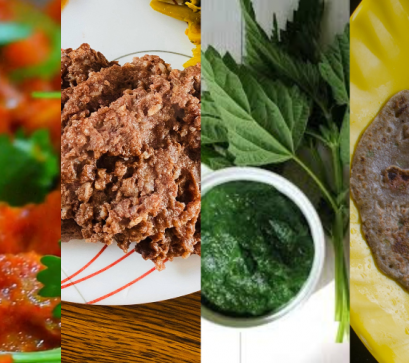
Wachipa is made using rice and minced meat, most commonly chicken, though pork is also used in some regions. What sets the dish apart is the addition of powdered burnt chicken feathers, prepared by carefully burning the fine feathers and grinding them into a fine ash. This powder is mixed with cooked rice, minced meat, salt and local spices, then slowly cooked to allow the flavours to blend.
The result is a dish with a distinctively bitter taste, which is considered essential to authentic Wachipa.

Cultural Significance
Wachipa is often associated with wellbeing and vitality, and its preparation reflects the community’s respect for ritual purity and ancestral knowledge. Historically, the dish was consumed mainly by men during communal feasts, though today it is enjoyed more widely within the community.
Popularity Today
While Wachipa remains a deeply traditional dish, it has begun attracting interest beyond the Limbu community. Cultural festivals, food trails in eastern Nepal and ethnic restaurants in cities like Dharan and Kathmandu are helping introduce Wachipa to travellers curious about indigenous Nepali cuisine.
Yangben: The Wild Lichen Delicacy of the Hills
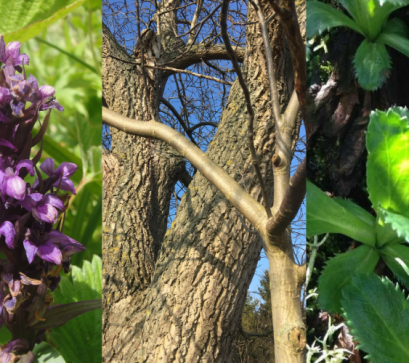
If Wachipa represents ritual complexity, Yangben symbolises the Limbu community’s intimate relationship with nature. Yangben is a type of wild edible lichen that grows on old trees in the forested hills of eastern Nepal.
Preparation Method
Harvested seasonally, yangben undergoes a meticulous preparation process. The lichen is first boiled in water mixed with firewood ash, which softens it and removes natural bitterness. It is then repeatedly washed, dried and stored for future use.
When cooked, yangben is most commonly prepared as Yangben-Faksa, a rich pork curry. The lichen absorbs the fats and spices, creating a deeply savoury, earthy dish. In some traditional recipes, pork blood is added to enhance flavour and texture.

Cultural Significance
Yangben holds special importance during festivals such as Chasok Tongnam, the Limbu harvest festival. It is often prepared for guests as a symbol of hospitality and was traditionally gifted to relatives as a koseli (ceremonial offering). The dish reflects indigenous ecological knowledge and sustainable foraging practices passed down through generations.
Popularity Today
Though still primarily a festive dish, Yangben is gaining recognition as one of Nepal’s most unique indigenous foods. Food enthusiasts and cultural travellers increasingly seek it out as part of immersive experiences in eastern Nepal, where authentic Limbu cuisine is preserved.
A Taste of Indigenous Nepal
Wachipa and Yangben aren’t just traditional recipes, they are living expressions of Limbu identity, ritual and relationship with the land. For travellers exploring Nepal beyond the usual routes, these dishes offer a rare and meaningful culinary encounter with one of the country’s oldest indigenous cultures.
Also Read