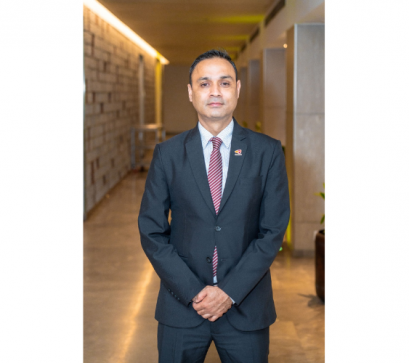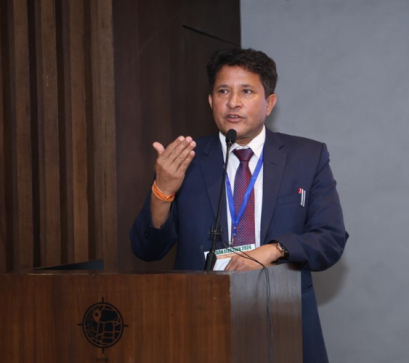

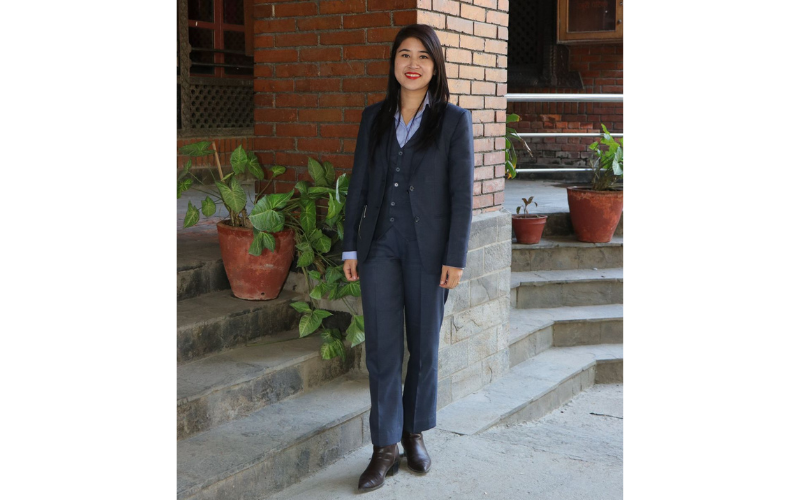
Srijana Nepali is a Senior Officer in the Europe and America Unit under the Tourism Marketing and Promotion Department at Nepal Tourism Board. With over eight years of experience in tourism marketing and destination promotion, she has played an active role in representing Nepal at international tourism fairs, roadshows, sales missions, and promotional campaigns across key global markets. A former lecturer and recipient of the prestigious Vidyabhusan "Ka" Award, Srijana brings a unique blend of academic excellence and industry expertise to her work. Passionate about destination branding, sustainable tourism, and continuous learning, she remains committed to strengthening Nepal’s presence in the global tourism landscape.
Nepal’s tourism industry has demonstrated remarkable resilience, recovering from challenges ranging from the 2015 earthquake and the COVID-19 pandemic to geopolitical tensions and shifting global travel patterns.
In 2026, I would describe the sector as both optimistic and challenged. On the positive side, growing private-sector investment and supportive government policies are encouraging diversification. Nepal is increasingly being recognised not only for adventure tourism but also for cultural, spiritual, wellness, mindfulness, and transformative travel experiences.
However, challenges remain. The Middle East crisis has affected demand in some markets, while air connectivity, infrastructure development, service quality, and the retention of skilled human resources continue to require attention.
With the announcement of “Nepal Wellness Year 2027”, Nepal has a valuable opportunity to reposition itself globally. While mountains and adventure will remain our core strengths, the future lies in showcasing Nepal as a destination for authentic experiences, wellness, culture, healing, and peace. By addressing structural challenges and leveraging emerging opportunities, Nepal is well positioned for sustainable tourism growth.
Mountains and trekking remain among Nepal’s greatest strengths, but diversification is essential if we are to become a year-round destination.
Historically, Nepal’s strong association with trekking and mountaineering has made tourism highly seasonal. Today’s travellers, particularly in the post-pandemic era, are seeking meaningful, personalised, and wellness-focused experiences. Nepal already possesses many of these offerings; what is needed is stronger packaging, positioning, and marketing.
Global tourism trends show growing demand for wellness, mindfulness, spirituality, gastronomy, cultural immersion, nature-based experiences, and personalised journeys. Nepal is naturally positioned to meet these demands through its spiritual heritage, yoga and meditation traditions, Ayurveda, Buddhist philosophy, living culture, indigenous traditions, festivals, and authentic hospitality.
Luxury tourism also presents significant opportunities. Modern luxury is no longer defined solely by five-star accommodation; it is about exclusivity, authenticity, privacy, personalisation, and meaningful experiences. Nepal can offer this through boutique lodges, wellness retreats, curated cultural journeys, and eco-luxury products.
Diversification is important because it increases visitor spending and length of stay, reduces dependence on seasonal tourism, and creates broader economic opportunities for communities across the country.
Sustainability is deeply rooted in Nepal’s tourism identity. Our greatest assets: nature, culture, and local communities have long reflected the principles of sustainable tourism. Nepal has practised community-based and nature-based tourism for decades, with local communities, particularly women, playing a vital role in preserving tourism ecosystems.
The challenge today is scaling these successful models. This requires promoting responsible destination management and carrying capacity-based planning, strengthening community-based tourism models to ensure that local people are the primary beneficiaries, implementing effective waste management systems and reducing plastic use across destinations, and encouraging eco-friendly infrastructure and the use of renewable energy in tourism development. In addition, conservation-focused trekking and mountain tourism practices, along with educating visitors on responsible travel behavior, are essential. Strong collaboration between government, private sector, and local communities is also critical to ensure long-term sustainability.
Nepal already has successful examples where tourism and conservation coexist. The priority now is to replicate these models nationwide, ensuring tourism continues to support environmental protection and inclusive community development.

Future tourism professionals must combine technological capability with strong human-centred skills.
Digital competencies including digital marketing, destination branding, AI applications, data analytics, and market intelligence are increasingly essential. Equally important are cross-cultural communication, international networking, and foreign-language proficiency.
Professionals must also develop adaptability and crisis-management skills, as tourism is often among the first industries affected by global disruptions. Knowledge of sustainability and responsible tourism will become a core professional requirement.
Storytelling and experience design are also crucial, as travellers increasingly seek meaningful and emotionally engaging experiences. Innovation and entrepreneurial thinking will help create new products and opportunities in a competitive global marketplace.
At the same time, professionalism, service excellence, emotional intelligence, resilience, and authenticity remain irreplaceable. Tourism will always be a people-centred industry where genuine human connection defines success.
The most rewarding aspect has been the opportunity to represent Nepal internationally and contribute to strengthening the country’s image as a tourism destination.
Tourism goes beyond travel; it connects people, cultures, diplomacy, and national identity. Throughout my career, I have worked with international partners, organised Nepal’s participation in major tourism events, and witnessed firsthand how deeply Nepal inspires people around the world.
Equally meaningful is seeing tourism’s positive impact on people’s lives. Tourism creates livelihoods, empowers local communities, supports women and entrepreneurs, preserves cultural heritage, and contributes to conservation. Knowing that our work helps create these opportunities gives me a strong sense of purpose.
Personally, the transition from academia to tourism has been transformative. The industry has taught me resilience, adaptability, patience, and the importance of continuous learning. Above all, it has been a privilege to contribute to a sector that showcases Nepal’s beauty, culture, and spirit to the world.
I would establish a stable tourism governance system supported by strong institutional continuity and long-term commitment across all levels of government.
While Nepal Tourism Board plays a crucial role in promoting Nepal internationally, tourism success depends on much more than marketing. Frequent leadership changes, shifting policy priorities, delays in budget approvals, and administrative hurdles often affect the timely implementation of programmes and long-term initiatives.
Tourism is a long-term industry. Destinations are built through consistent policies, sustained investment, and a vision that extends beyond political and administrative cycles. One of Nepal’s greatest challenges has been maintaining continuity in implementation.
National tourism institutions must therefore be provided with the stability, authority, operational flexibility, and resources needed to function effectively. Tourism promotion requires timely decision-making, policy consistency, and close collaboration among stakeholders.
Nepal already possesses extraordinary natural beauty, rich cultural heritage, spiritual significance, and strong global recognition. What we need now is a stable roadmap, coordinated execution, and continuity of vision. If we can achieve that, Nepal can emerge as one of the world’s most distinctive, competitive, and sustainable tourism destinations in the decades ahead.
Also Read