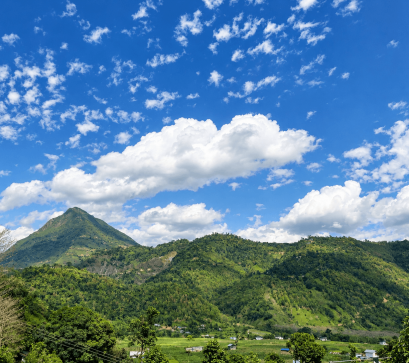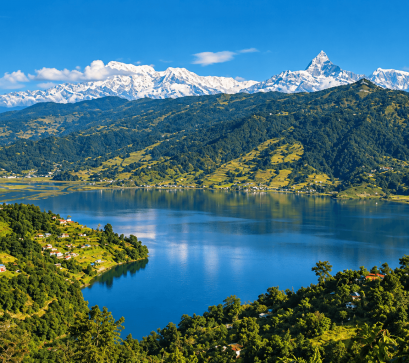
Most travelers come to Chitwan chasing rhinos and jungle safaris. But cross the Narayani River or head into the shadow of the Someshwar hills, and you'll find something just as compelling: the living heritage of the indigenous Tharu community.
Having inhabited these malaria-prone plains for centuries, the Tharu developed both a natural immunity to the disease and a culture deeply woven into the ecosystem around them. For a genuine look into that world, Barauli and the Madi Valley are the places to go.
Located in Nawalpur district on the northwestern edge of Chitwan National Park, Barauli sits where village farmland meets the Narayani River. It's become one of Nepal's leading models for women-led community tourism. The Barauli Community Homestay, established in 2015, is run independently by local Tharu women, with profits funding schools, healthcare, and infrastructure.
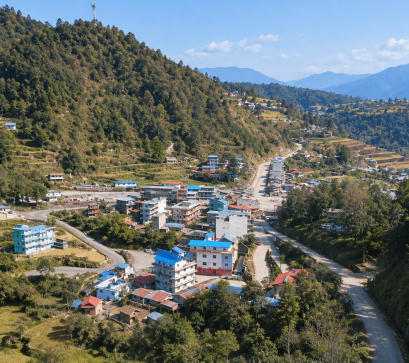
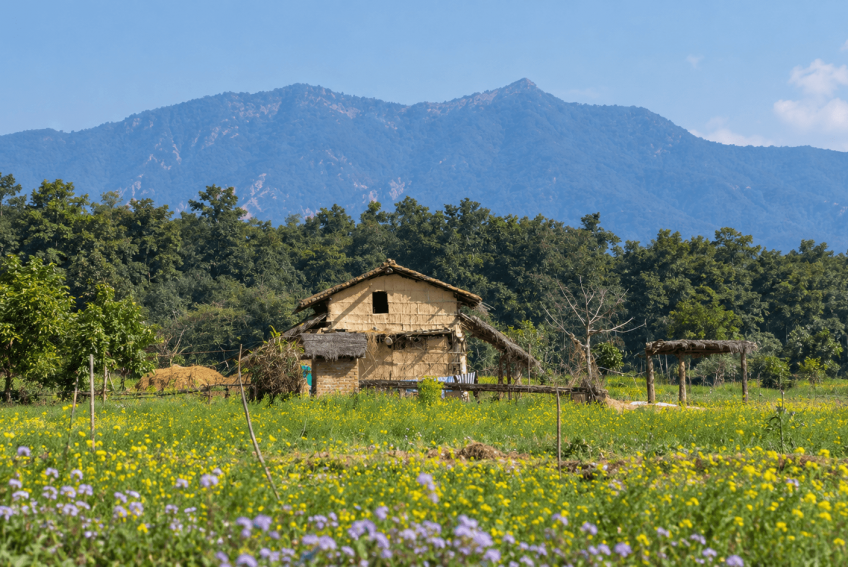
Homes here are built in traditional mud-and-clay style, with hand-imprinted geometric wall art depicting animals and flowers. Visitors can cycle through mustard and paddy fields to the river at sunset, watching fishermen paddle traditional dugout canoes, or join buffer-zone safaris that offer quieter, less commercialized wildlife viewing than the busy Sauraha circuit.
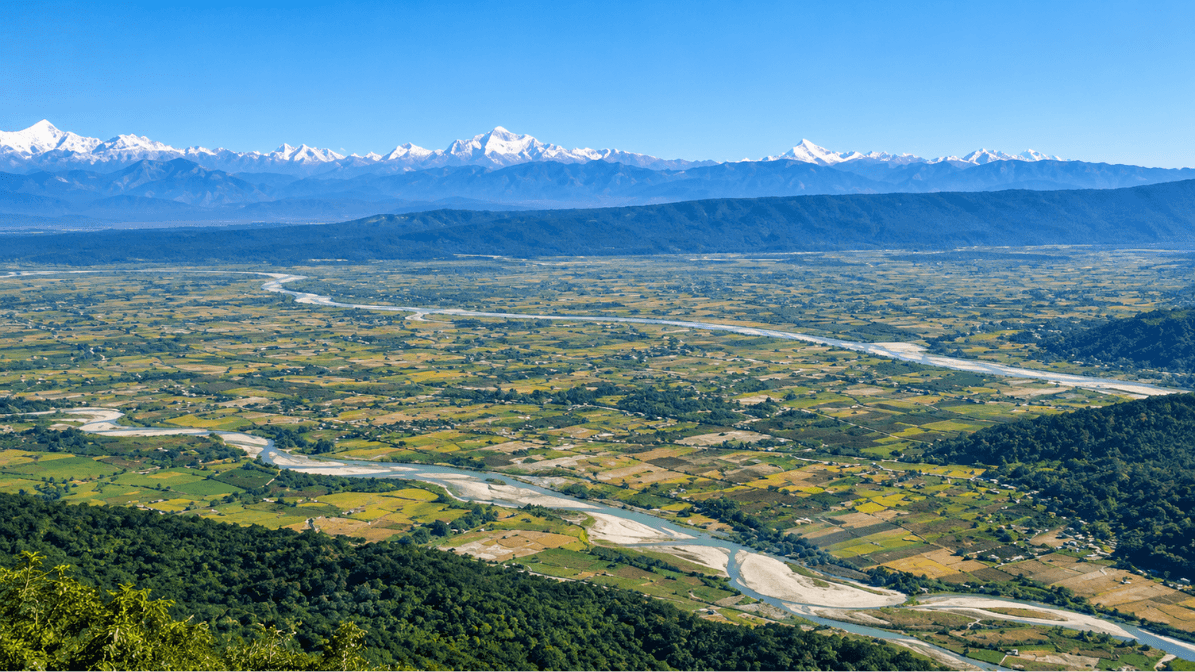
Situated in Chitwan's southern pocket and cut off from the main highway by the Churia Hills and dense jungle, Madi Valley feels frozen in time. That isolation has kept Tharu traditions here exceptionally raw and uncommercialized. Communities have spent generations mastering peaceful coexistence with wild elephants, rhinos, and tigers through solar fencing, watchtowers (machans), and community patrols.
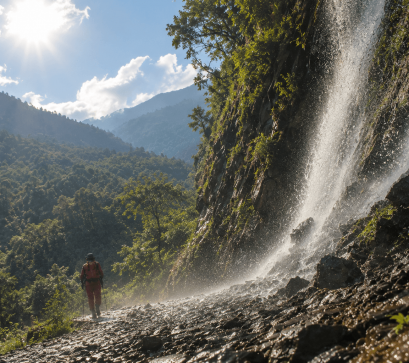
Village life here revolves around the farming calendar rice planting in monsoon, mustard harvesting in winter. Beyond the fields, Madi holds sacred sites like Baikuntha Lake and Waterfall, plus historic spots in Ayodhyapuri tied to local folklore and ancient Terai civilization, with long communal houses in villages like Ayodhyapuri and Kalyanpur still sheltering extended families under one roof.
Autumn (October–November) brings crisp skies and post-monsoon greenery, while winter (December–February) offers cool mornings and blooming mustard fields. The absolute peak is January's Maghi festival, the Tharu New Year, filled with feasting and folk performances.
To reach Barauli, drive the Mahendra Highway toward Kawasoti in Nawalpur, then turn south to the Narayani River about 5–6 hours from Kathmandu. Madi Valley requires crossing the national park itself, via local transport or a private 4WD from the Bharatpur/Madi gate through forest tracks and Churia hill passes.
Skip the crowds at Sauraha, and Chitwan reveals a different kind of wilderness one shaped by generations of people, not just wildlife.