Gazetted in 1976, the reserve lies on the floodplains of the Sapta Koshi River across the Sunsari, Saptari and Udayapur districts. Reported figures for its total area vary, ranging from 176 sq km to 348 sq km including a 173 sq km buffer zone. It sits at an elevation of 75 to 81 metres and was designated Nepal's first Ramsar wetland of international importance in December 1987.
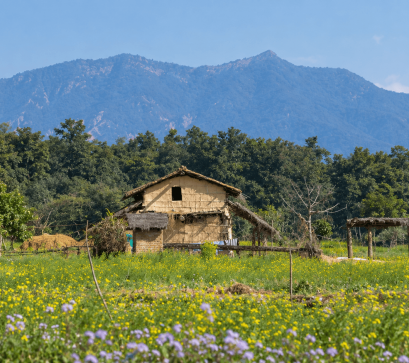
The terrain is a mix of reed beds, mudflats, freshwater marshes and patches of deciduous riverine forest, shaped by the Sapta Koshi's seasonal flooding. Grassland covers about 68 percent of the reserve; forest, dominated by Indian rosewood with catechu stands in the northwest, covers only around 6 percent. Plant species counts are reported between 414 and 514. Annual flooding and grazing by wildlife and domestic cattle keep the grasslands maintained.
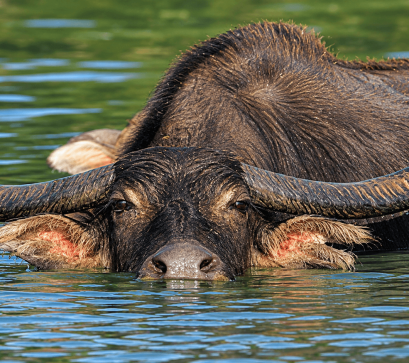
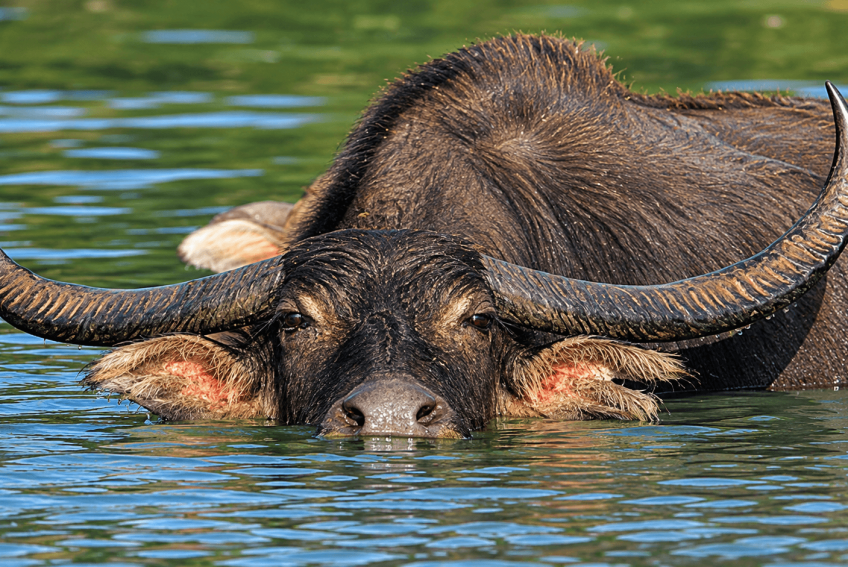
The reserve was created to save Nepal's last population of the wild water buffalo, or arna, which numbered just 63 individuals at establishment. A 2016 census recorded 432 animals, a 7.27 percent annual growth rate, making this the world's second-largest wild water buffalo population after India's Kaziranga National Park. To reduce the risk of a single population being wiped out by flood, fire or disease, a pair was translocated to Chitwan National Park in January 2017. Other mammals include Asian elephant, spotted and hog deer, wild boar, smooth-coated otter and golden jackal, alongside gharial and mugger crocodiles, the Gangetic river dolphin and over 200 recorded fish species.
Koshi Tappu is listed as one of Nepal's Important Bird Areas. Bird species counts are reported between 411 and 500. Migratory birds arrive from Siberia and Tibet each winter, and recorded species include swamp francolin, Bengal florican, Pallas's fish eagle and lesser adjutant. A newly identified nightjar species was recorded here in 2018, and a Greater Adjutant stork was sighted in the reserve in 2017, its first appearance there in 22 years.
Around 215 settlements lie near the wetland; residents depend on it for irrigation, livestock grazing, fishing and construction materials from its forests, and collect thatching grass from the reserve once a year, typically in January. A 1997–98 survey in the neighbouring Paschim Kasuha area found wild water buffalo and wild boar were the main crop raiders between September and February, and noted ongoing cattle grazing, poaching and illegal fishing inside the reserve boundaries. Cited threats include feral cattle grazing, flooding and siltation, wildlife depredation and illicit trade.
The best time to visit is October to March, for peak birding and cooler weather. Entry costs NPR 50 per day for Nepali citizens, NPR 500 for SAARC nationals and NPR 1,000 for foreign visitors. Activities include jeep safaris, birdwatching walks, jungle safaris and river boat rides, and fishing is permitted with a permit. Most visitors fly from Kathmandu to Biratnagar (around 35–45 minutes) and travel by road from there; the overland route from Kathmandu via the Mahendra Highway takes roughly 10 to 14 hours. Bring a camera, binoculars, sunscreen, a hat, sturdy walking shoes and light-coloured clothing suited to the grassland terrain.