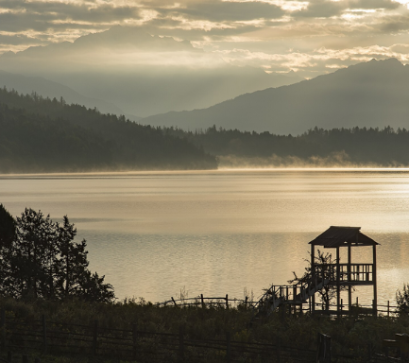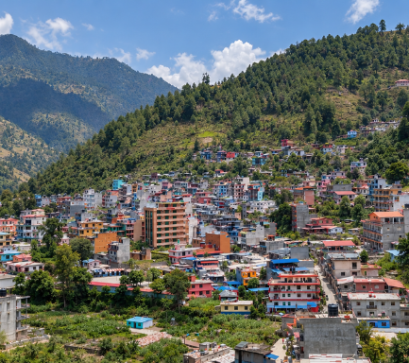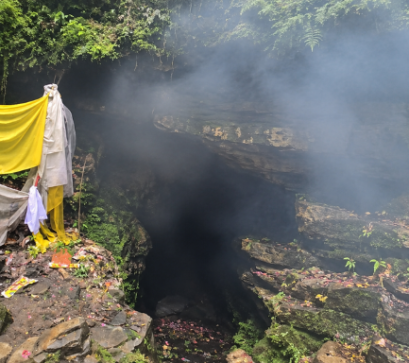
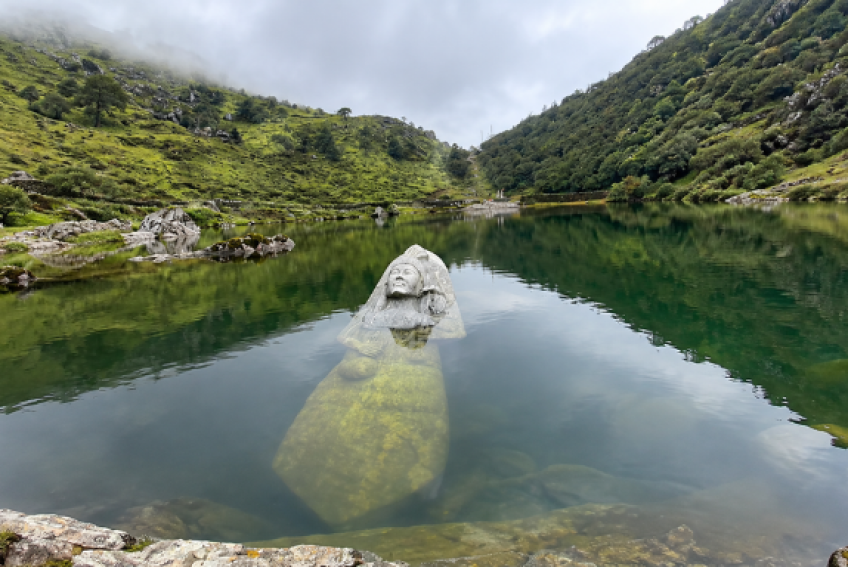
Far from Nepal’s crowded trekking destinations, a sacred lake rests among the forests and mountain ridges of eastern Nepal. Salpa Pokhari, located in Salpasilichho Rural Municipality of Bhojpur District, Koshi Province, is one of the region’s remarkable natural and religious landmarks. Situated approximately 3,443 metres above sea level, the lake attracts pilgrims, trekkers and travellers seeking an experience beyond Nepal’s familiar tourist routes.
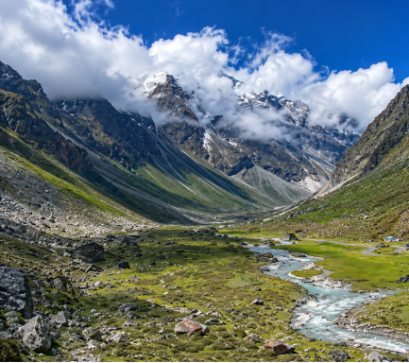
Surrounded by rhododendron forests, alpine meadows and rugged hills, Salpa Pokhari lies near the meeting area of four districts: Bhojpur, Khotang, Solukhumbu and Sankhuwasabha. Its remote location has helped preserve both its natural surroundings and longstanding cultural traditions.
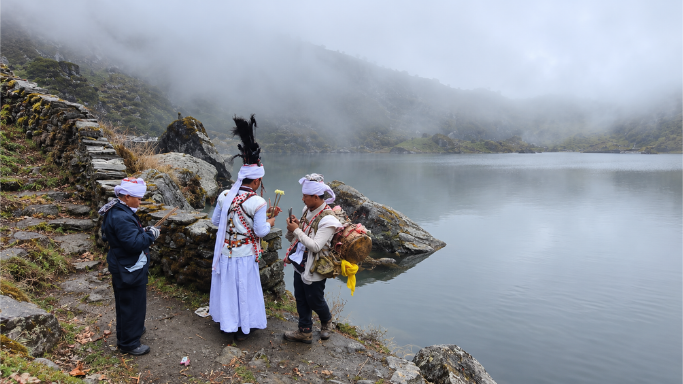
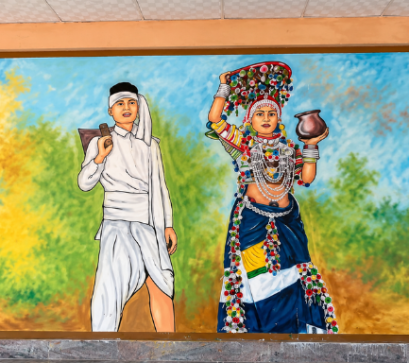
For the indigenous Kirat Rai community, Salpa Pokhari holds deep ancestral significance. According to traditional beliefs, the lake is associated with ancestral deities and spiritual powers. Hindu and Buddhist devotees also visit the site to offer prayers and seek blessings. Local shamans, known as Dhami-Jhankri, perform rituals connected with spiritual healing and ancestral worship.
Four major religious gatherings take place during the full-moon festivals of Baisakh, Rishi or Janai Purnima, Kartik and Mangsir. During these occasions, pilgrims travel from surrounding districts to participate in traditional ceremonies, prayers and ritual bathing.
Beyond its spiritual importance, Salpa Pokhari is an emerging destination for adventure tourism. The lake lies along the historic Salpa Pass trekking route, which once connected the Arun Valley with the Solukhumbu and Everest regions.
Trekkers can approach the lake from Bhojpur or Tumlingtar, with the journey generally requiring three to four days of walking, depending on the starting point and trail conditions. Longer trekking itineraries connecting the Arun Valley and Solukhumbu can take approximately 8–14 days.
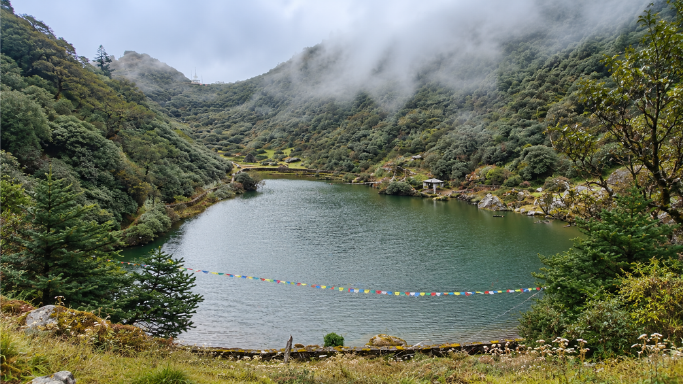
The surrounding Salpa–Silichung region adds another attraction. Silichung Peak, rising to approximately 4,155 metres, offers panoramic Himalayan views, including Mount Everest and Makalu on clear days. The wider landscape features forests, medicinal plants, mountain settlements and sections of the culturally significant Mundhum trekking route.
Spring, particularly March to May, offers blooming rhododendrons, while September to November generally provides clearer mountain views. Visitors travelling during Janai Purnima can experience the region’s religious celebrations, although monsoon conditions may make trekking more challenging.
Accommodation near the lake remains limited, making advance preparation, suitable trekking equipment and local guidance important.
As Nepal explores opportunities for community-based tourism, Salpa Pokhari represents something increasingly valuable: a destination where natural beauty and living cultural heritage remain closely connected.
For travellers willing to venture beyond the usual trails, this sacred Himalayan lake offers more than spectacular scenery. It offers a journey into the spiritual heart of eastern Nepal.