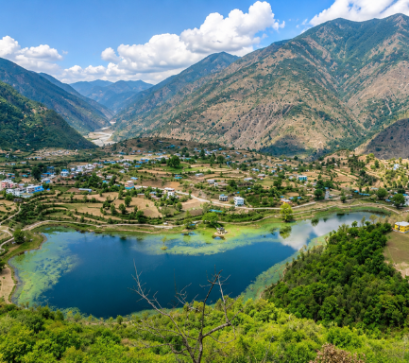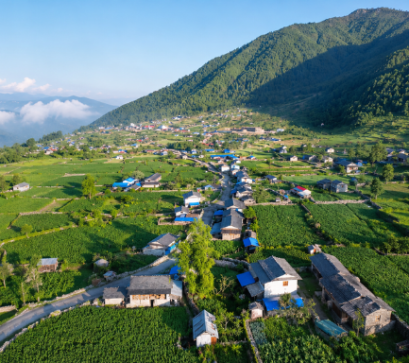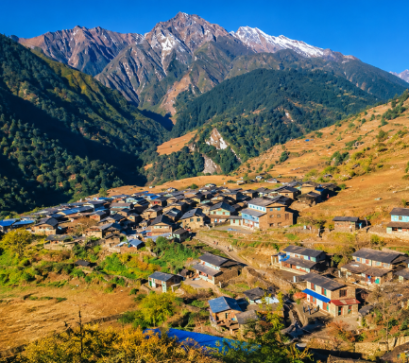
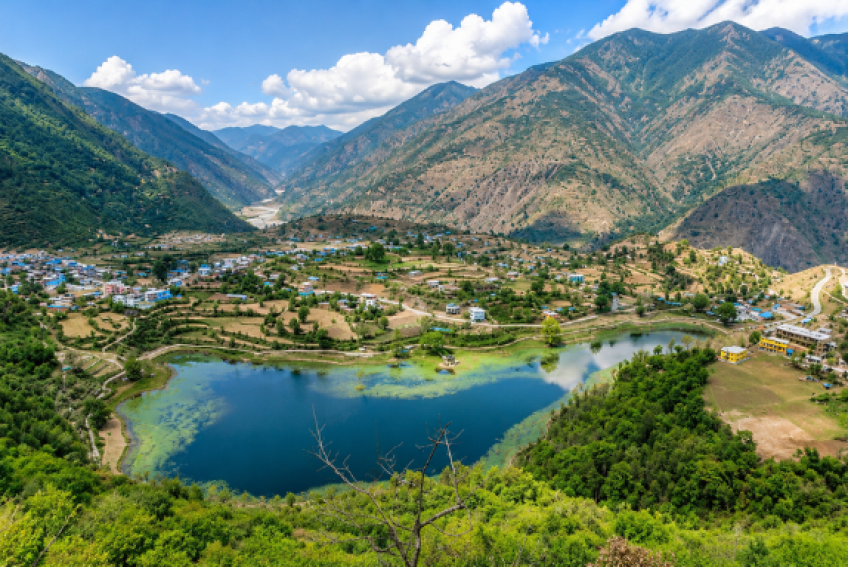
Beyond Nepal’s popular trekking routes lies Chitripatan, a lesser-known highland destination in Aathbiskot Municipality, Rukum West, Karnali Province. Surrounded by mountain forests, open grasslands and varied natural vegetation, this remote landscape offers a different perspective on Nepal’s mountain beauty.
Unlike established trekking destinations, Chitripatan remains relatively unexplored by mainstream tourism. Its appeal lies not only in its natural scenery but also in the ecological and cultural heritage preserved across the surrounding highlands.
Chitripatan's biodiversity is among its most remarkable features. A 2023 Tribhuvan University study, Traditional Use of Plant Resources in Aathbiskot Municipality, documented 201 useful plant species belonging to 89 families and 166 genera across the wider municipality.
Of these species, 68.16% were valued for medicinal purposes, while 42.85% had wild edible uses. The research highlights the importance of local plant resources and traditional knowledge passed down through generations. These findings cover Aathbiskot's wider research area, rather than Chitripatan alone.
Chitripatan also holds considerable potential for adventure tourism. The Karnali Province Tourism Master Plan 2020–2030 identifies the Gotamkot–Pahada–Okhle–Chitripatan–Guptadaha–Sisne Himal Base Camp route as a nine-day trekking itinerary.
The plan also connects Chitripatan with Syarpu Lake, Gotamkot and wider trekking routes towards Dolpa. These proposed and identified connections could introduce travellers to some of western Nepal's less-visited mountain landscapes.
The mountains surrounding Chitripatan are closely connected to local livelihoods. Communities across Aathbiskot have traditionally relied on forests and plants for medicine, food, livestock fodder and agricultural materials.
This relationship between people and nature gives Chitripatan cultural significance beyond its scenic landscape. Protecting traditional knowledge alongside natural habitats could become an important part of the region's sustainable tourism development.
Spring and autumn offer potentially favourable conditions for exploring the wider region, although local weather and trail conditions should be checked before travelling.
Visitors should confirm transport, accommodation, local guides and walking routes with Aathbiskot Municipality, as detailed tourism facilities remain poorly documented.
Chitripatan represents a quieter side of Nepal, where mountain landscapes, biodiversity and centuries of local knowledge come together. With thoughtful conservation and responsible tourism, this lesser-known destination could become one of Karnali's rewarding nature-based travel experiences.