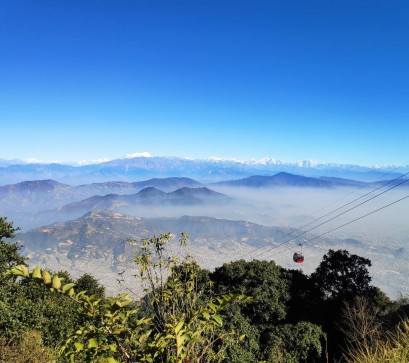

Rising gracefully to 6,966 metres (22,854 feet), Dorje Lhakpa stands as one of the most captivating peaks in Nepal’s Himalayas. Located within Langtang National Park, it is part of the Jugal Himal range and is often admired from the Kathmandu Valley on clear days. With its striking pyramid-like symmetry and relatively remote allure, Dorje Lhakpa remains a prized but lesser-known mountain among alpinists and trekkers alike.
Geographical Setting
Dorje Lhakpa lies northeast of Kathmandu, not far from the Tibetan border. It serves as a natural sentinel above the Langtang region, separating the Langtang Valley from the Helambu region. The mountain is surrounded by lush forests, alpine pastures, and glacial rivers, all protected within Langtang National Park — Nepal’s first Himalayan conservation area.
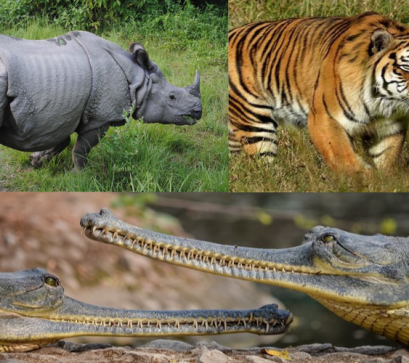
This location not only offers dramatic views but also allows for a wide range of biodiversity, including species like the red panda, Himalayan monal, and snow leopard.

Climbing Conditions
Dorje Lhakpa is considered a technically demanding climb of moderate to high difficulty. The standard ascent route includes:
Approach via Syabrubesi or Sundarijal and trek into Langtang
Base camp typically set near the eastern base
Summit attempt via the west ridge, involving ice slopes and corniced ridges
The best climbing seasons are spring (April–May) and autumn (October–November), when conditions are generally more stable.
Trekking and Access
While summiting Dorje Lhakpa is reserved for skilled mountaineers, the Langtang region offers a wealth of trekking opportunities. The Langtang Valley trek — often called “the valley of glaciers” — passes through charming Tamang villages, alpine meadows, and ancient Buddhist monasteries, with stunning views of Dorje Lhakpa along the way.
From the trails around Kyanjin Gompa, the mountain’s iconic form is clearly visible. Trekkers can also explore side routes to peaks like Kyanjin Ri or Tserko Ri, which offer panoramic vistas of the Jugal Himal range.

Cultural Landscape
The people living in the Langtang region are primarily of Tamang ethnicity, with cultural ties to Tibetan Buddhism. The area is rich in spiritual heritage, visible through prayer flags, chortens, and mani walls that line the trails. While Dorje Lhakpa itself is not widely documented as a sacred mountain, the surrounding peaks and valleys are deeply revered in local tradition.
Conservation and Tourism
Langtang National Park, established in 1976, plays a key role in preserving the natural and cultural heritage of the region. After the devastating earthquake in 2015, which heavily affected Langtang, the area has gradually been rebuilt and reopened to tourism, offering a more resilient and community-focused trekking experience.
Mountaineering on Dorje Lhakpa requires permits through Nepal’s Department of Tourism, and climbers must be accompanied by certified Nepali guides.
Dorje Lhakpa is a mountain that rewards those who seek adventure off the beaten track. Whether viewed from afar on a high pass or experienced up close on an expedition, its elegance and presence are unforgettable. With a blend of natural beauty, technical climbing, and cultural depth, Dorje Lhakpa remains one of the Himalayas’ most photogenic and intriguing summits — a true hidden gem of Nepal.
PC: Wikimedia Commons
Also Read