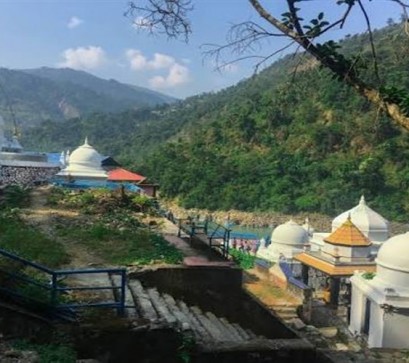
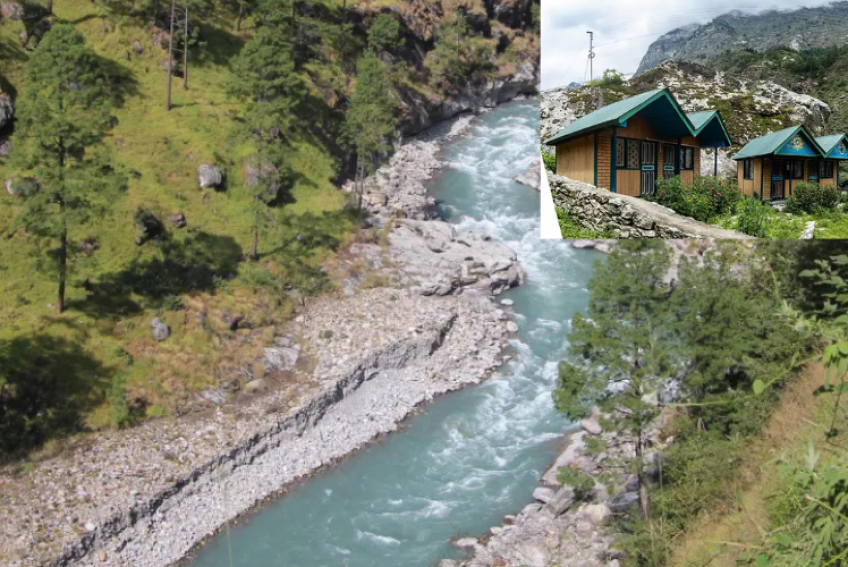
Nestled within the Manaslu Conservation Area in northern Gorkha District, Namrung Village is one of the most culturally significant and scenically rewarding stops along the renowned Manaslu Circuit Trek. Sitting at approximately 2,630 metres (8,628 feet) above sea level, this traditional Himalayan settlement marks a noticeable transition, both geographically and culturally as trekkers ascend deeper into the Nubri Valley towards the Tibetan borderlands.
A Village Rooted in Himalayan Tradition
Namrung is part of the Nubri Valley, a culturally Tibetan-influenced region where daily life continues to follow centuries-old rhythms. The village is characterised by stone-built houses with wooden balconies, intricately carved window frames, prayer wheels set into mani walls, and chortens marking the entrances to settlements.
Ethnically, the upper Manaslu region is predominantly inhabited by Nubri and Tsum communities of Tibetan origin, alongside Gurung populations in lower elevations. Tibetan Buddhism deeply shapes social and spiritual life here.
Agriculture remains central to livelihoods. Fields of barley, buckwheat and potatoes surround the village, while yak and livestock herding continues in higher pastures. Visitors often hear the low hum of prayer chants drifting from homes and monasteries, particularly in the early mornings.

Spiritual Life and Monastic Heritage
Namrung serves as a local religious hub. Small monasteries and chortens dot the landscape, and trekkers will encounter intricately inscribed mani stones lining village pathways.
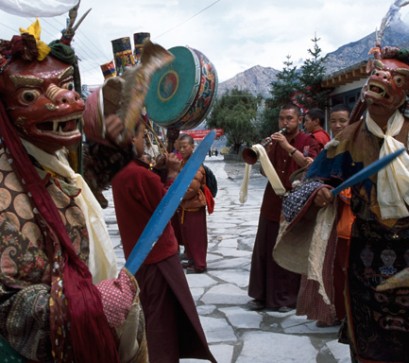
Nearby monasteries including Namrung Gompa are part of the wider Tibetan Buddhist tradition practiced throughout the Nubri Valley. During festivals such as Lhosar (Tibetan New Year), the settlement becomes vibrant with ritual ceremonies, masked dances and communal gatherings.
The region’s spiritual practices follow the Nyingma and Kagyu traditions of Tibetan Buddhism, similar to neighbouring upper Manaslu villages such as Lho and Samagaon.
Himalayan Views: Manaslu and Beyond
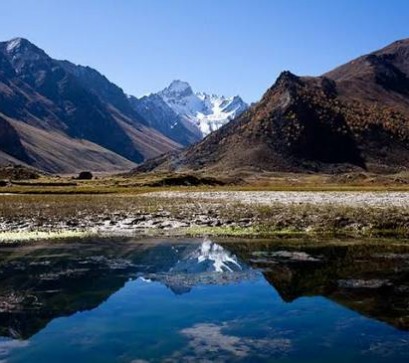
Namrung is one of the first major vantage points on the trek where expansive Himalayan views truly begin to unfold.
From the village and its surrounding ridges, trekkers can see:
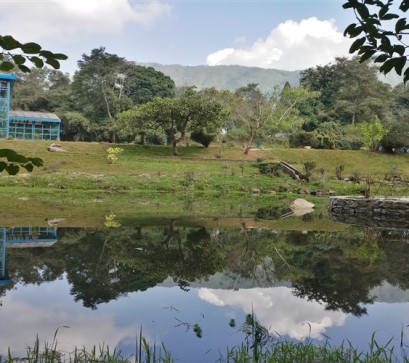
Clear mornings often reveal spectacular light over snow peaks, particularly in autumn (October-November) and spring (March-April). The surrounding terrain features pine forests, terraced fields and river valleys carved by the Budhi Gandaki River.
Role in the Manaslu Circuit Trek
Namrung is a crucial acclimatisation stop on the Manaslu Circuit. After trekking from lower subtropical villages such as Jagat and Deng where the climate is warmer and terrain more forested, Namrung marks the entry into the higher, more alpine Tibetan cultural zone.
Typical trekking progression includes:
Soti Khola - Machha Khola - Jagat - Deng - Namrung - Lho - Samagaon - Samdo - Dharamsala - Larkya La Pass
The shift in architecture, dress, language and landscape becomes especially noticeable here, making Namrung more than just a rest stop - it is a cultural transition point.
Accessibility and Permits
Namrung is not directly accessible by road. Trekkers typically drive from Kathmandu to Machha Khola or Jagat before beginning the trek.
As the area is classified as a restricted region, visitors require:
A licensed guide is mandatory under current regulations.
Accommodation and Facilities
Namrung offers several well-established teahouses and lodges. While facilities remain simple compared to Everest or Annapurna routes, most lodges provide:
Comfort standards improve slightly here compared to lower villages due to its importance on the route.

Best Time to Visit
The optimal trekking seasons are:
Spring (March-May) - Rhododendrons bloom and skies are generally stable.
Autumn (October-November) - Clear mountain visibility and crisp air.
Winter brings heavy snowfall at higher elevations, while the monsoon (June-September) can cause landslides along the Budhi Gandaki corridor.
Why Namrung Stands Out
Namrung is not merely a waypoint on a trekking itinerary. It represents:
For travellers seeking authenticity beyond Nepal’s more crowded trekking circuits, Namrung remains one of the most compelling villages in the region.
PC: Internet
Also Read

.jpg)
.jpg)