
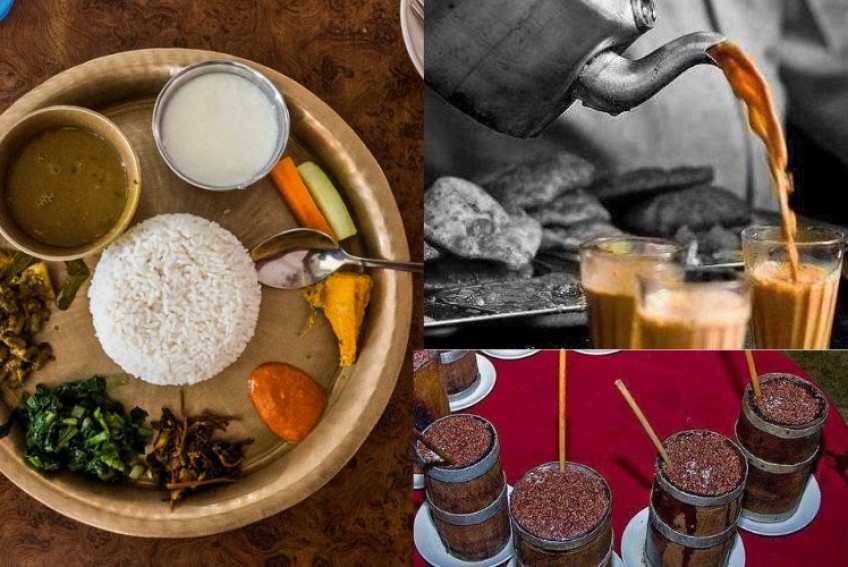
From steaming cups of milk tea shared at roadside stalls to millet-based brews poured from bamboo flasks in Himalayan villages, Nepal’s drinking culture is far more than refreshment — it is identity, ritual, and geography in liquid form.
Across the country, what you drink often depends on altitude, climate, and community tradition. In the lowlands, tea fuels daily life. In the hills, fermented millet brings people together. And among the high Himalayan communities, drinks are deeply tied to hospitality and celebration.
Three drinks: tea, tongba, and Thakali beverages reveal how Nepal’s landscapes shape its culture in profoundly different ways.
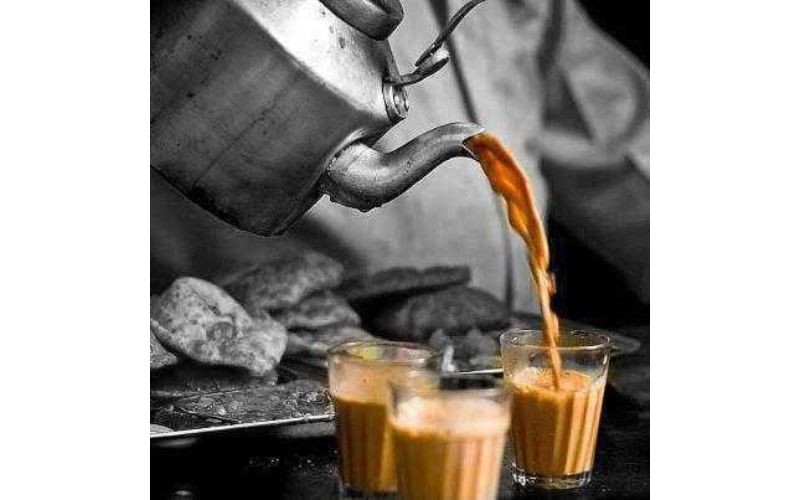
Tea, locally known as chiya, is the most widely consumed beverage in Nepal. Introduced during the colonial tea trade era in South Asia, it has evolved into a distinctly Nepali ritual.
In cities like Kathmandu and across rural highways, tea is more than a drink — it is a pause in conversation, a gesture of hospitality, and a daily social rhythm.
What makes Nepali tea unique?
Tea culture in Nepal is also deeply social. Meetings begin over tea, friendships form over tea, and travel routes are mapped by tea stops.
In the eastern hills of Nepal, particularly among the Limbu people, tongba is more than a drink, it is a cultural experience.
Made from fermented millet, tongba is served in a bamboo vessel and consumed through a straw while hot water is continuously poured over the fermented grains.
.png)
Cultural significance
Unlike commercial alcoholic beverages, tongba is slow, communal, and ritualistic. One vessel is shared among friends, with conversations flowing as steadily as the refilled water.
Where to experience it
Tongba is commonly found in:
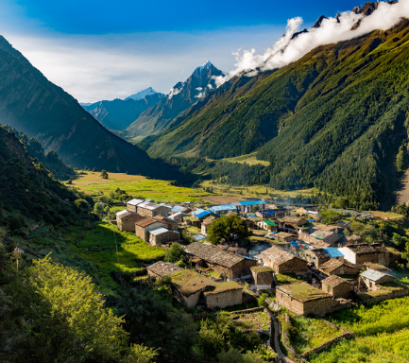
Among the Thakali community from the trans-Himalayan region of Mustang, drinking culture is closely tied to food, hospitality, and balance.
While Thakali cuisine is globally recognised for its refined version of dal bhat, drinks play a subtle yet important role in meals and social gatherings.
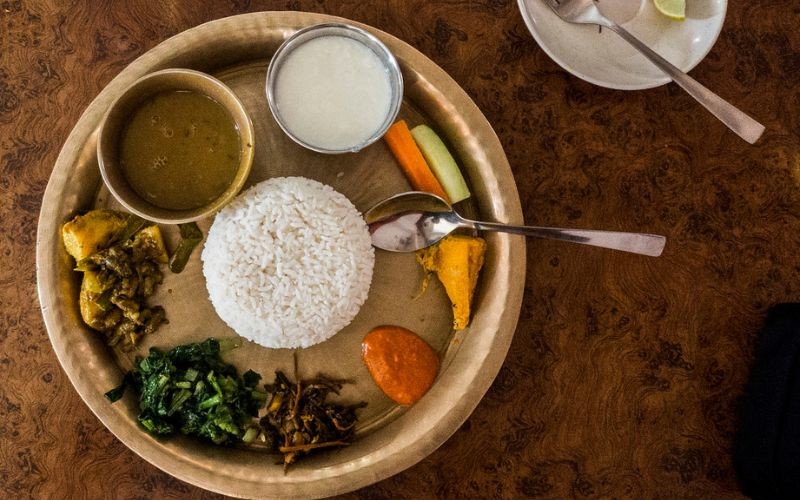
Key elements of Thakali drinking traditions:
In Thakali culture, drinking is not excessive or casual. It is measured, respectful, and embedded within structured dining traditions.
What makes Nepal’s drinking culture fascinating is its geographical layering:
Each reflects not just taste, but terrain, tradition, and identity.
For travellers, exploring Nepal’s drinking culture is a form of cultural immersion.
In destinations like trekking routes, rural homestays, and heritage towns, these drinks become part of lived cultural exchange rather than curated experiences.
Responsible travel encourages visitors to:
Also Read

.png)