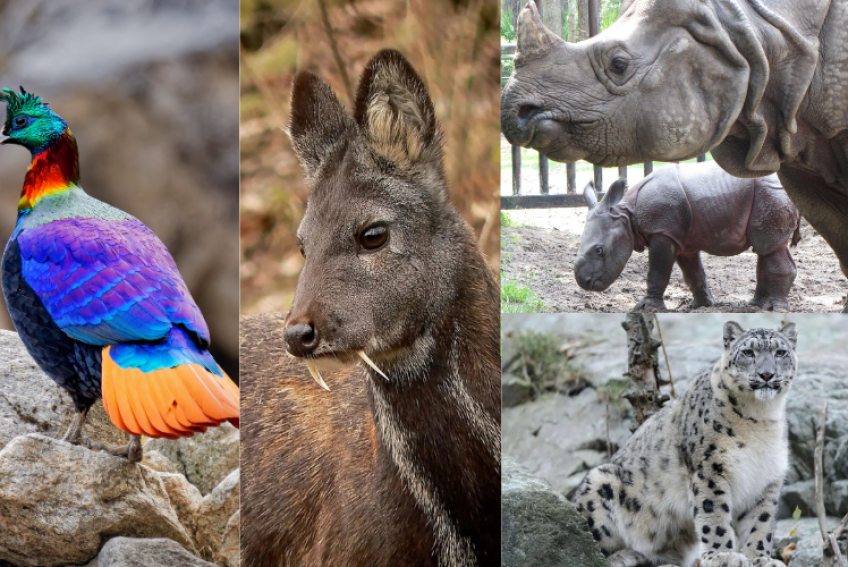
From subtropical jungles in the south to alpine terrain beneath the Himalayas, Nepal supports an extraordinary range of wildlife within a relatively compact geography. Few countries contain such dramatic ecological variation across changing elevations, allowing travellers to encounter everything from the greater one-horned rhinoceros in the lowland Terai to Himalayan monals in high mountain forests.
For travellers, Nepal’s wildlife is not simply about safari experiences. It is deeply connected to conservation, protected landscapes, and communities living alongside some of South Asia’s most important endangered species habitats.
Here are four iconic animals that define Nepal’s biodiversity story — and where travellers may responsibly experience their habitats.
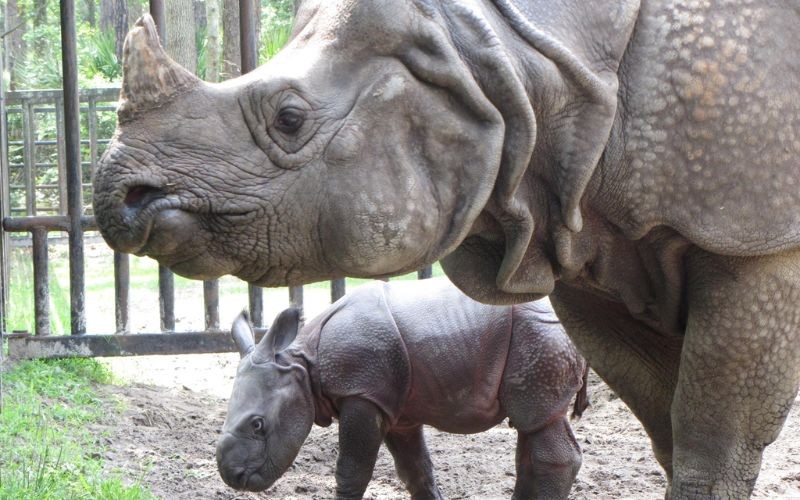
The greater one-horned rhinoceros remains one of Nepal’s most celebrated conservation achievements. Once pushed close to local extinction by poaching and habitat loss, the species has made a remarkable recovery through decades of habitat protection, anti-poaching operations, and community-based conservation programmes.
Rhinos are primarily protected within Nepal’s Terai lowlands, including:
Wildlife tourism in Chitwan and Bardia has become one of Nepal’s major nature-based travel experiences, attracting visitors for guided jeep safaris, canoe excursions, birdwatching, and community-led conservation tourism. Buffer zone programmes and community forests have also helped connect conservation with local livelihoods.
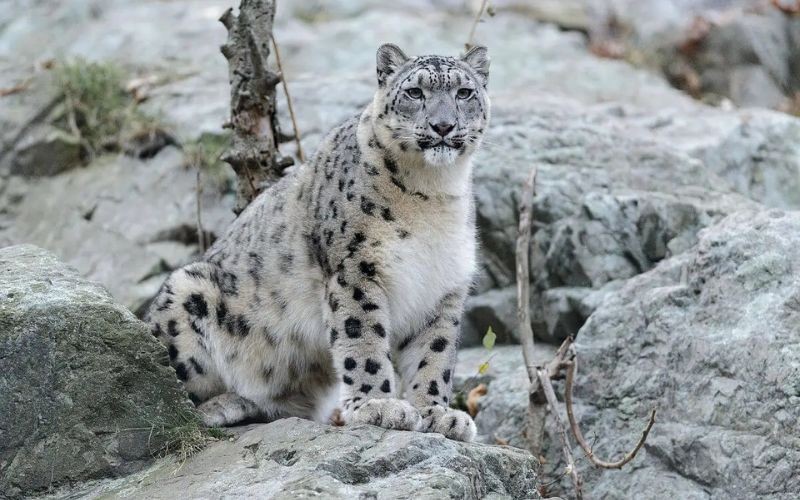
Rarely seen in the wild, the snow leopard remains one of the world’s most elusive big cats. Nepal forms an important part of the species’ Himalayan range, with snow leopards inhabiting remote high-altitude ecosystems across the north of the country.
Snow leopards inhabit remote Himalayan landscapes including:
Actual sightings remain extremely rare, even during specialised expeditions. However, snow leopard tourism has gradually emerged through winter wildlife tracking journeys and conservation-focused trekking experiences. These expeditions often emphasise Himalayan ecology, local culture, and conservation awareness rather than guaranteed wildlife encounters.
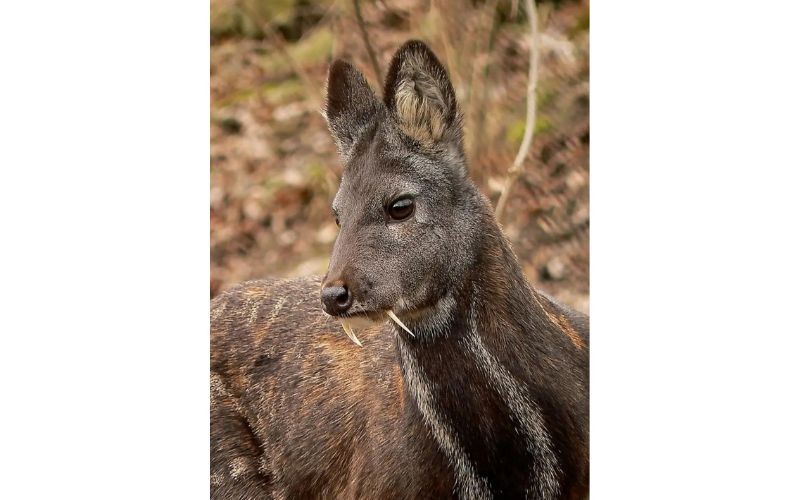
The Himalayan musk deer is among Nepal’s most elusive mountain mammals. Known for the musk gland historically targeted for perfumes and traditional medicine, the species has suffered heavily from illegal poaching across the Himalayas.
Himalayan musk deer inhabit subalpine and alpine forests across protected Himalayan regions including:
Musk deer are difficult to observe in the wild due to their highly secretive behaviour and dense mountain habitat. Nevertheless, their presence is considered an important indicator of healthy alpine ecosystems. Increasingly, trekking routes in Nepal’s mountain protected areas are incorporating biodiversity interpretation alongside scenery and cultural experiences.
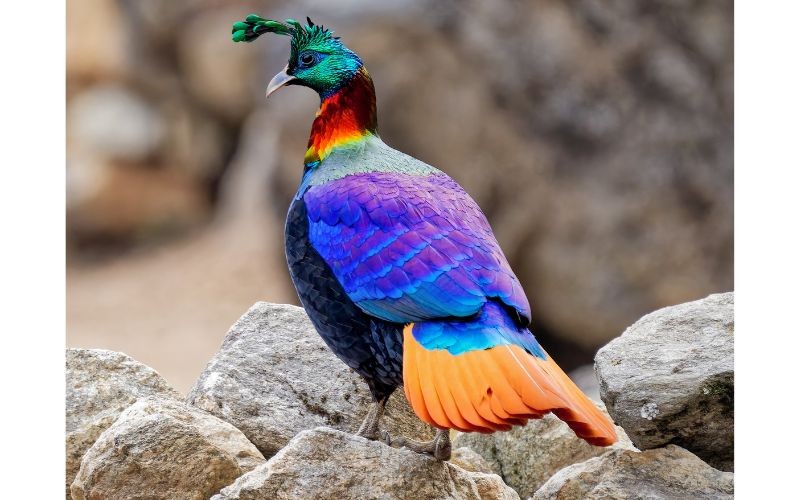
Locally known as the Danphe, the Himalayan monal is Nepal’s national bird and one of the Himalayas’ most visually striking pheasants. Males are recognised for their iridescent metallic plumage, while females display more muted camouflage colouring suited to mountain forests.
Himalayan monals inhabit temperate and alpine forests across Nepal’s mid and high mountains, particularly within:
Birdwatching tourism in Nepal continues to expand, particularly among travellers seeking Himalayan pheasants and high-altitude birdlife. Monal sightings are often considered highlights during spring and autumn trekking seasons, especially in rhododendron forests and alpine meadows.
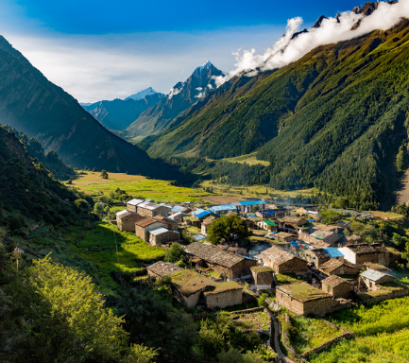
Nepal’s biodiversity is often overshadowed by its mountains, yet the country’s protected landscapes are among South Asia’s most ecologically significant. Within a relatively short journey, travellers can move from subtropical grasslands sheltering rhinos to alpine ecosystems inhabited by snow leopards and Himalayan pheasants.
Nepal is also internationally recognised for its Bengal tiger conservation success, particularly in the lowland protected areas of Chitwan and Bardia.
This ecological diversity has positioned Nepal as a destination where conservation and tourism remain closely interconnected. National parks, conservation areas, buffer zones, and community forests together help protect endangered wildlife while supporting sustainable livelihoods and nature-based tourism across the country.
PC: Animalia, Wikimedia Commons
Also Read