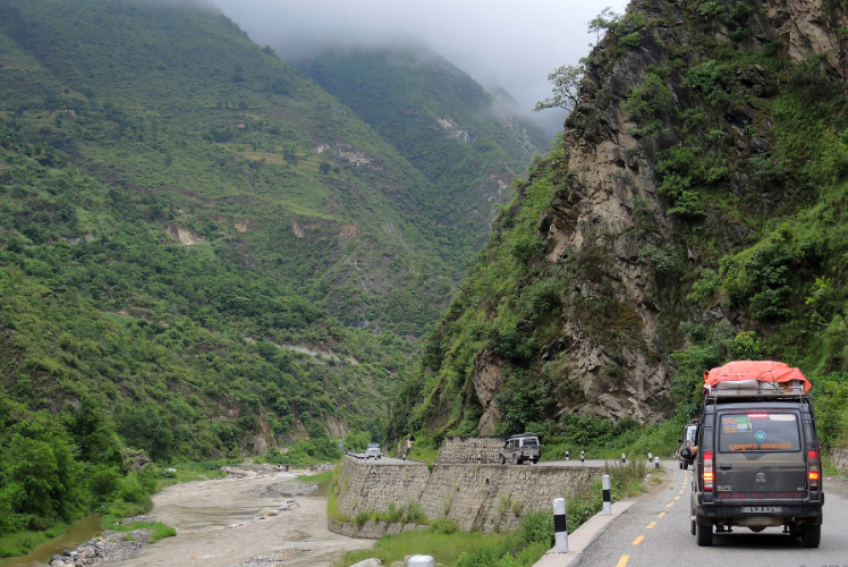
Tucked between the rolling hills and river valleys of central Nepal lies Sindhuli, a district steeped in history and enriched by a diverse cultural heritage. Part of Bagmati Province, Sindhuli occupies a unique geographical position, acting as a transitional zone between the flat plains of the Terai and the rugged landscapes of Nepal’s mid-hills. Though less frequented by tourists than some of the country’s more popular destinations, Sindhuli holds within its borders stories of national pride, breathtaking views, and vibrant community life.
The Historic Battle of Sindhuli
One of the most defining events in Sindhuli’s past is the Battle of Sindhuli, fought on November 6, 1767 (24 Kartik 1824 BS). This historic encounter saw the local Gorkha forces under King Prithvi Narayan Shah achieve a remarkable victory over a British East India Company. Despite being heavily armed soldiers, the British troops were outmaneuvered by the Gorkhalis, who used their knowledge of the terrain to launch ambushes and set traps in the hills surrounding the fort.
The battle is remembered as one of Nepal’s earliest military victories against a foreign power and played a crucial role in the eventual unification of the country. The fort at Sindhuli Gadhi, although partially in ruins—especially after the 2015 earthquake—still stands as a proud monument to this legacy. In 2021, the district added to its historical preservation efforts with the opening of the Sindhuligadhi War Museum in Kamalamai Municipality, which showcases weapons, documents, and artwork commemorating the legendary battle.
Geography and Landscape
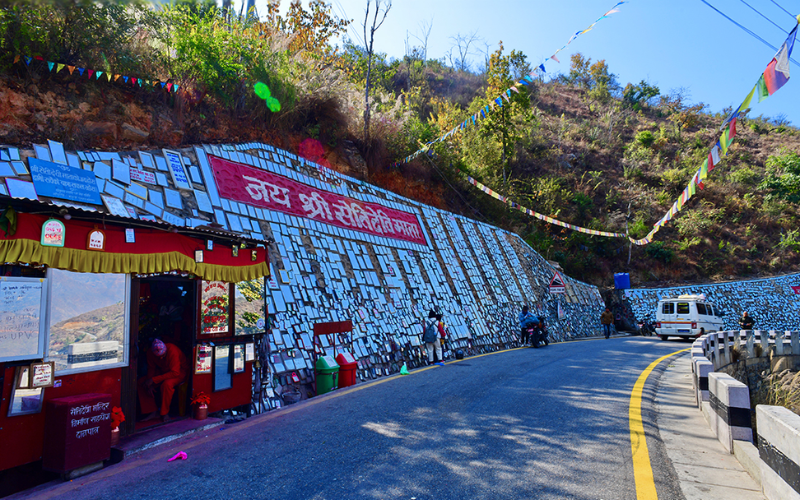
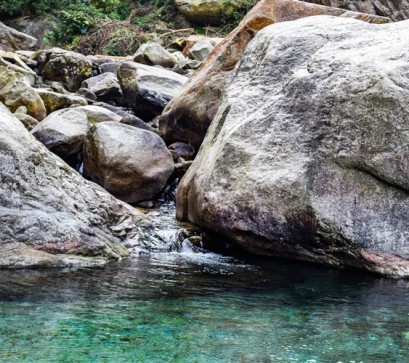
Geographically, Sindhuli spans approximately 2,491 square kilometers and ranges in elevation from around 300 to 2,590 meters above sea level. The district is traversed by several rivers, including the Sunkoshi, Kamala, and Marin, which contribute to its fertile soils and scenic beauty. The Sunkoshi, in particular, is not only vital for agriculture but also offers potential for activities like rafting and fishing.
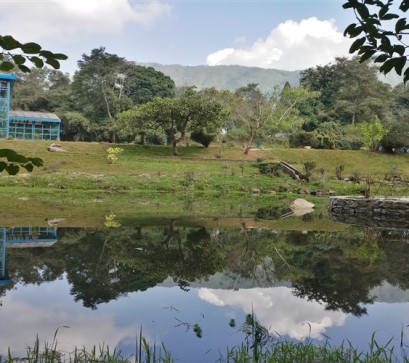
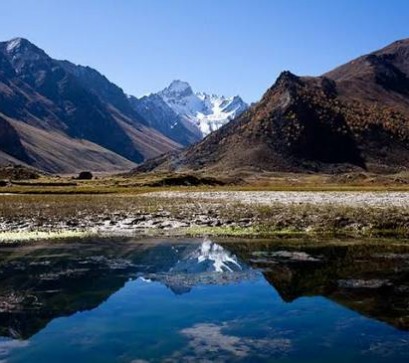
Sindhuli’s landscape features rolling hills, terraced farms, and dense forests, making it an ideal location for eco-tourism and sustainable development. A major transformation in recent years came with the construction of the BP Highway (Banepa–Bardibas), which cuts through the district and significantly improves its connectivity with the Kathmandu Valley and the eastern Terai.
Demographics and Cultural Diversity
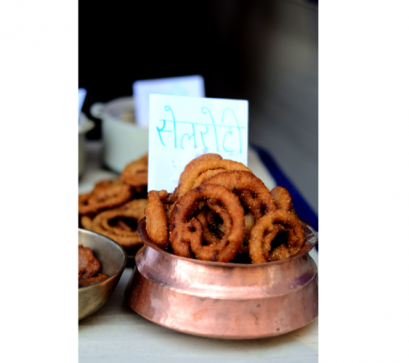
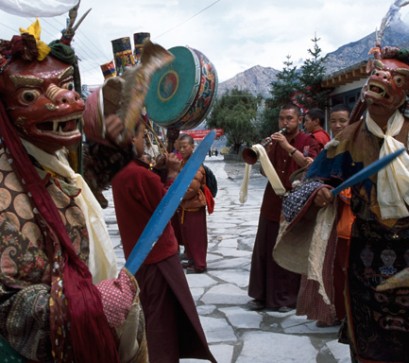
The population of Sindhuli, as recorded in the 2021 census, is just over 300,000. It is home to a wide array of ethnic groups, with the Tamang community making up the largest segment, followed by Magars, Brahmins, Chhetris, Danuwars, and Newars, among others. This rich ethnic tapestry is reflected in the linguistic landscape as well. While Nepali is spoken by a little over half the population, Tamang, Magar, and other local languages are widely used in homes and communities. Such diversity gives rise to a rich cultural life, with each group celebrating its own festivals, music, and rituals. Traditional foods such as dhido, gundruk, and sel roti are central to communal gatherings and local hospitality.
Infrastructure and Development
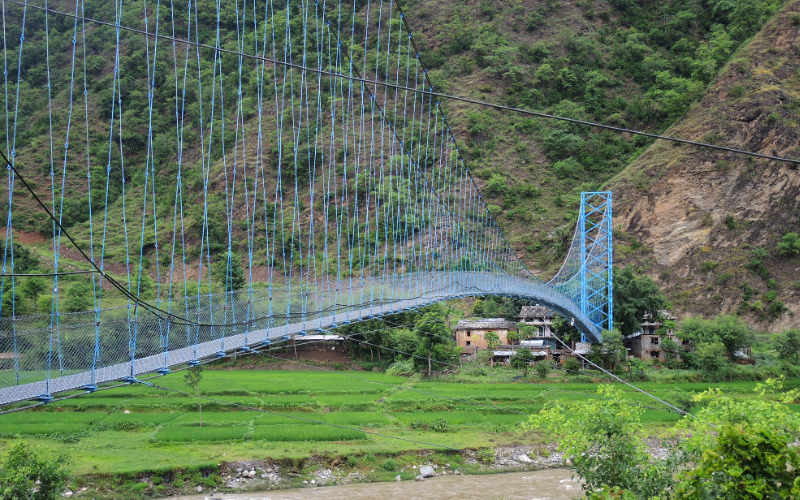
Over the past few decades, Sindhuli has made steady progress in infrastructure and development, especially in areas close to the BP Highway. Towns like Kamalamai now have access to electricity, mobile networks, schools, and health centers. Educational institutions such as Sindhuli Multiple Campus and Kamala Science Campus are contributing to higher learning in the region.
However, in more remote and hilly parts of the district, challenges persist. Access to quality education and healthcare can be limited, and monsoon-related hazards such as landslides and flooding remain significant risks to lives and livelihoods. Despite these challenges, local governments and community organizations are working to improve basic services and promote sustainable livelihoods through agriculture and tourism.
Tourism Potential
The tourism potential in Sindhuli remains largely untapped but highly promising. The historical significance of Sindhuli Gadhi, combined with the natural beauty of the Sunkoshi River and the welcoming character of local communities, creates an ideal setting for heritage tourism, eco-tourism, and cultural exploration.
Rural homestays offer immersive experiences, allowing visitors to participate in daily village life, learn about indigenous customs, and enjoy local cuisine. The district's many hiking trails wind through pine forests and hilltop settlements, offering opportunities for birdwatching, photography, and quiet reflection in nature.
In many ways, Sindhuli represents the heart of Nepal—resilient, proud, and quietly beautiful. It is a place where history is not just remembered but felt in the air; where cultures coexist and thrive; and where nature remains largely unspoiled. For travellers willing to step off the beaten path, Sindhuli offers an authentic and enriching experience, far removed from the bustling crowds of Kathmandu or Pokhara.
PC: RAJESH_DHUNGANA_NEPAL, Flickr
Also Read

.jpg)
.jpg)